Executive Summary: Bridging Communities Through Infrastructure
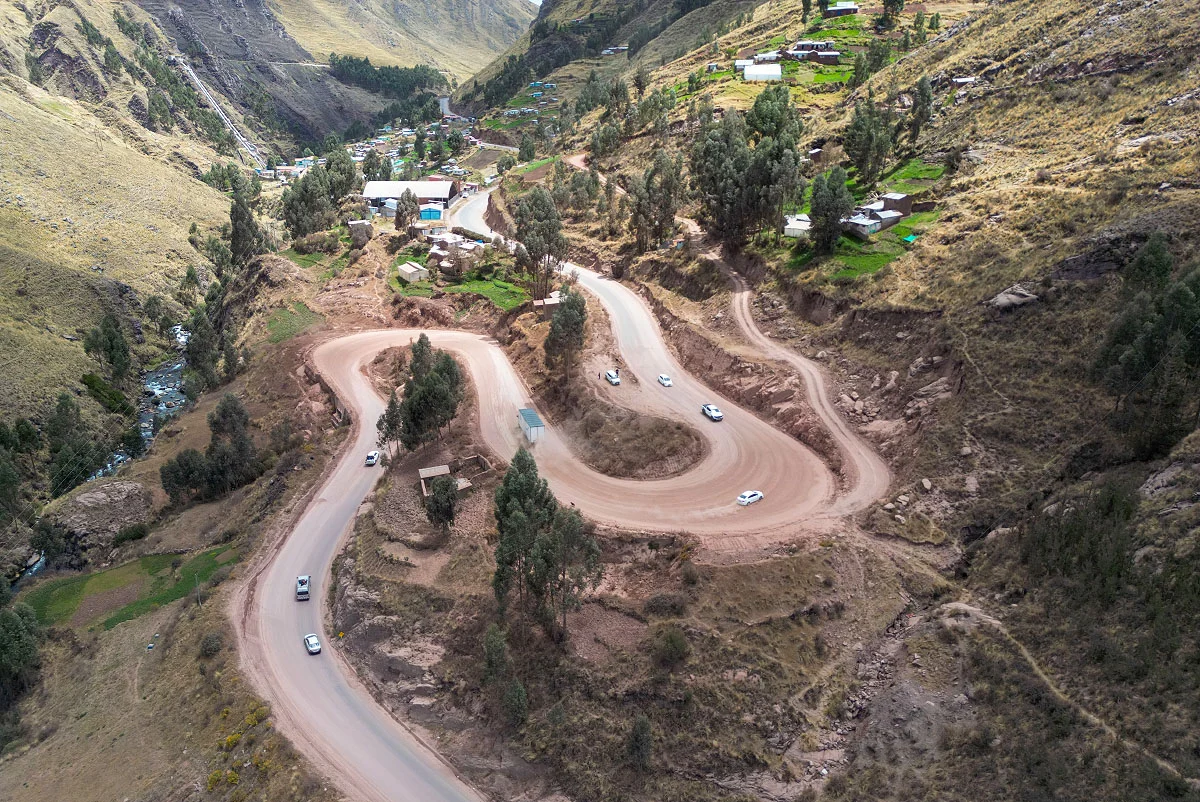
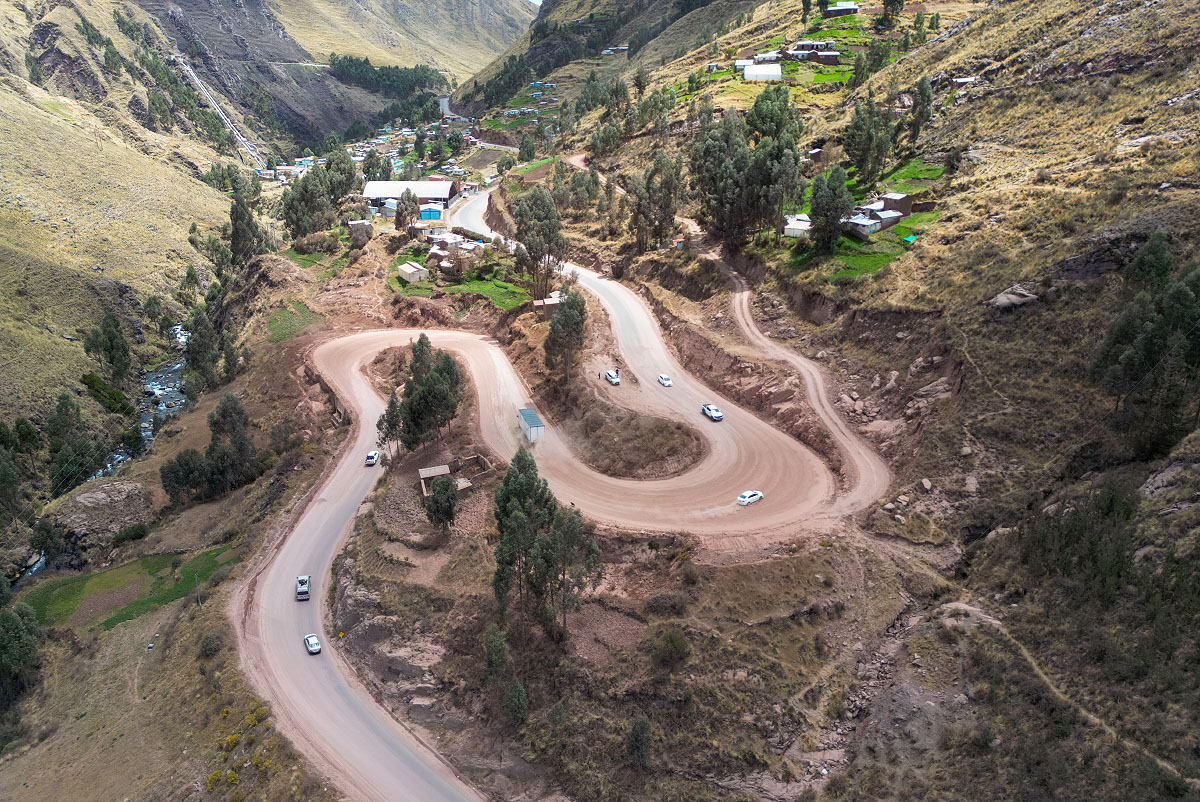
Compañía Minera Antapaccay has successfully completed a comprehensive rehabilitation project on a critical segment of the national highway connecting Espinar and Sicuani. Known locally as "La Zeta," this 400-meter stretch in the Colpahuayco sector had long been a point of concern due to severe pavement degradation. The completion of these works marks a significant milestone in regional connectivity, ensuring safer passage for thousands of commuters, public transport operators, and logistics providers who rely on this artery to link the provinces of Espinar and Canchis with the Cusco region.
By prioritizing this infrastructure intervention, Antapaccay has not only addressed an immediate public safety hazard but has also demonstrated a commitment to sustainable development through the strategic inclusion of local enterprise. The project stands as a testament to how private-sector investment can serve as a catalyst for regional progress, safety, and economic fluidity.
The Strategic Importance of the Espinar-Sicuani Corridor
The road connecting Espinar to Sicuani is far more than a simple rural highway; it is a vital economic and social lifeline. Serving as a gateway between the mineral-rich highlands and the commercial hubs of the Cusco region, the corridor experiences heavy traffic daily. From heavy-duty mining transport and agricultural supply trucks to inter-provincial passenger buses, the volume of traffic requires a high standard of maintenance to prevent accidents and vehicle damage.
Before the intervention, the "La Zeta" section had become notoriously difficult to navigate. Erosion, heavy rainfall, and the relentless pressure of constant vehicle traffic had led to a significant breakdown of the road surface. This deterioration resulted in reduced speeds, increased vehicle maintenance costs for local drivers, and, most importantly, a heightened risk of traffic accidents. For the local population, the road’s condition was a daily hurdle that hampered access to healthcare, education, and commerce in Sicuani and beyond.
Chronology of the Rehabilitation Project
The rehabilitation of "La Zeta" was executed with a focus on efficiency, technical precision, and community collaboration. The project timeline was characterized by a swift transition from planning to full completion.
- Assessment Phase: Antapaccay’s engineering team conducted a thorough survey of the Colpahuayco sector to identify the root causes of the degradation, which included soil instability and poor drainage.
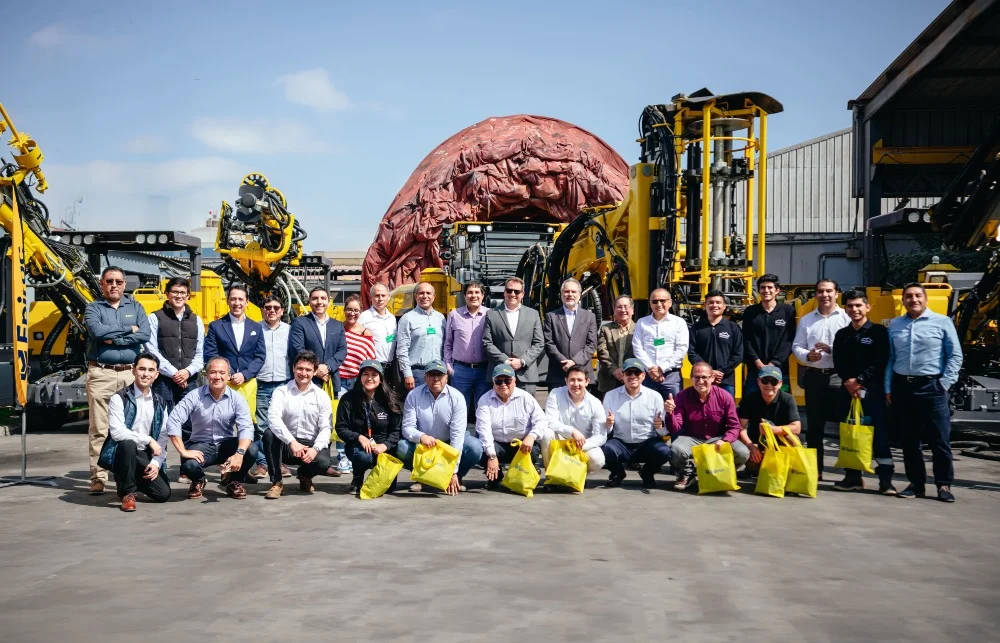
- Procurement and Partnership: Rather than outsourcing the work to a large-scale national construction conglomerate, the company opted to partner with TM Maquinarias, a locally established firm based in Espinar. This decision was pivotal in ensuring that the investment remained within the local economy.
- Execution Phase: The construction began with the removal of 174 cubic meters of unstable, inadequate material that had compromised the roadbed. This was followed by the rigorous process of re-profiling the subgrade.
- Surface Restoration: A total of 750 cubic meters of high-quality base material (afirmado) was placed and compacted to create a robust foundation. The final stages involved meticulous leveling and the compaction of the road surface to ensure durability under extreme weather conditions.
- Completion: The project was finalized at 100% capacity in record time, meeting all safety standards required for national roads, and was subsequently handed back for public use.
Technical Specifications and Engineering Standards
The success of the "La Zeta" project lies in the rigorous engineering standards applied by the project team. The rehabilitation was not a mere superficial patching of the road; it was a structural reconstruction designed for longevity.
The Breakdown of Operations
The technical intervention was categorized into three primary phases:
- Subsurface Remediation: By excavating the 174 m³ of degraded soil, engineers removed the "weak links" that caused the road to cave in or develop potholes. Replacing this with structural-grade fill provided the necessary load-bearing capacity for heavy transport vehicles.
- Structural Integrity: The use of 750 m³ of material afirmado (graded aggregate) is essential in the high-altitude conditions of the Andes. This material is specifically chosen for its ability to withstand the freeze-thaw cycles and heavy precipitation typical of the Espinar province.
- Compaction and Finishing: Final compaction density tests were performed to ensure that the road would not settle unevenly over time. The finished surface provides an even, high-friction road profile, significantly reducing the braking distances and handling risks for vehicles passing through the sharp curves of "La Zeta."
Official Perspectives: The Value of Local Partnership
The project underscores a shift in how mining companies in Peru are approaching social and infrastructure investments. Manuel Pisfil, Manager of Projects at Antapaccay, emphasized the dual benefit of the intervention: public safety and local economic empowerment.
"We placed full trust in a local company like TM Maquinarias to execute these works," Pisfil stated. "Our goal was twofold: to provide a safe, reliable road for our neighbors and to prove that local businesses possess the technical capability to manage complex engineering projects. The result was a project delivered in record time that effectively neutralized a high-risk area for transport units."
The collaboration with TM Maquinarias highlights a broader trend: the "Local Content" approach. By utilizing local contractors, Antapaccay ensures that the project budget stimulates the Espinar economy, fosters skill development among local technicians, and builds a sense of community ownership over the infrastructure.
Broader Implications: Connectivity and Regional Development
The rehabilitation of this 400-meter segment carries implications that extend far beyond the immediate pavement.
1. Enhancing Regional Mobility
For the residents of Espinar, the connection to Sicuani is essential for accessing major market centers. A reliable road reduces the "time-distance" barrier, allowing farmers to transport perishable goods to market more quickly and enabling students and patients to reach regional facilities in Sicuani and Cusco with greater ease and safety.
2. Economic Impact on Transport Logistics
Road conditions are a direct cost factor for logistics companies. Frequent repairs and downtime caused by vehicle damage translate to higher costs for transport. By improving the road, Antapaccay has indirectly lowered the operational costs for the transport sector, which may eventually lead to more competitive freight rates in the region.
3. Road Safety as a Public Health Priority
Accidents on unmaintained mountain roads are a significant cause of injury in rural provinces. By addressing a known "black spot" (a high-risk location), the project is a proactive public health measure. The improvements to visibility and road surface quality significantly lower the probability of rollover accidents and collisions, especially during the rainy season when road conditions usually deteriorate rapidly.
Future Outlook: Sustainable Infrastructure Maintenance
The successful completion of the "La Zeta" project sets a standard for future public-private collaborations in the Cusco region. As Antapaccay continues its operations, the company’s focus on maintaining the infrastructure around its zones of influence serves as a model for corporate responsibility.
Moving forward, the challenge remains in the long-term maintenance of these roads. The collaborative spirit fostered between the local government, mining operators, and local service providers like TM Maquinarias suggests that sustainable, community-led maintenance models are not only possible but highly effective.
In conclusion, the rehabilitation of the Espinar-Sicuani highway is a clear example of how strategic investment in civil infrastructure can generate immediate and tangible benefits for the community. By combining technical excellence with a commitment to local economic development, Antapaccay has demonstrated that the mining industry can play an essential role in bridging the infrastructure gaps that often hinder rural progress in Peru.
The residents of Espinar and the constant flow of travelers on the "La Zeta" corridor now benefit from a safer, more resilient road—a small but vital link in the larger chain of regional development.