By Rebeca Ampudia Belling
In the modern corporate landscape, sustainability has graduated from a marketing showcase of "good intentions" to a rigorous, audited accounting discipline. A fundamental shift is underway in the Peruvian business sector, driven by the transition from voluntary climate disclosures to mandatory financial reporting standards.
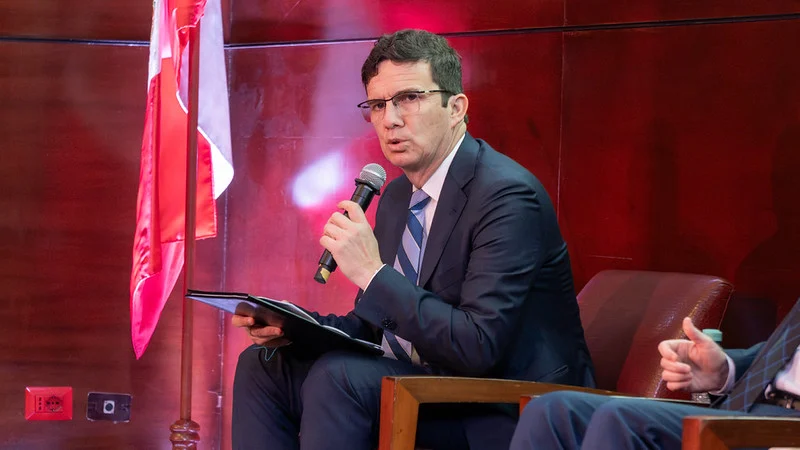
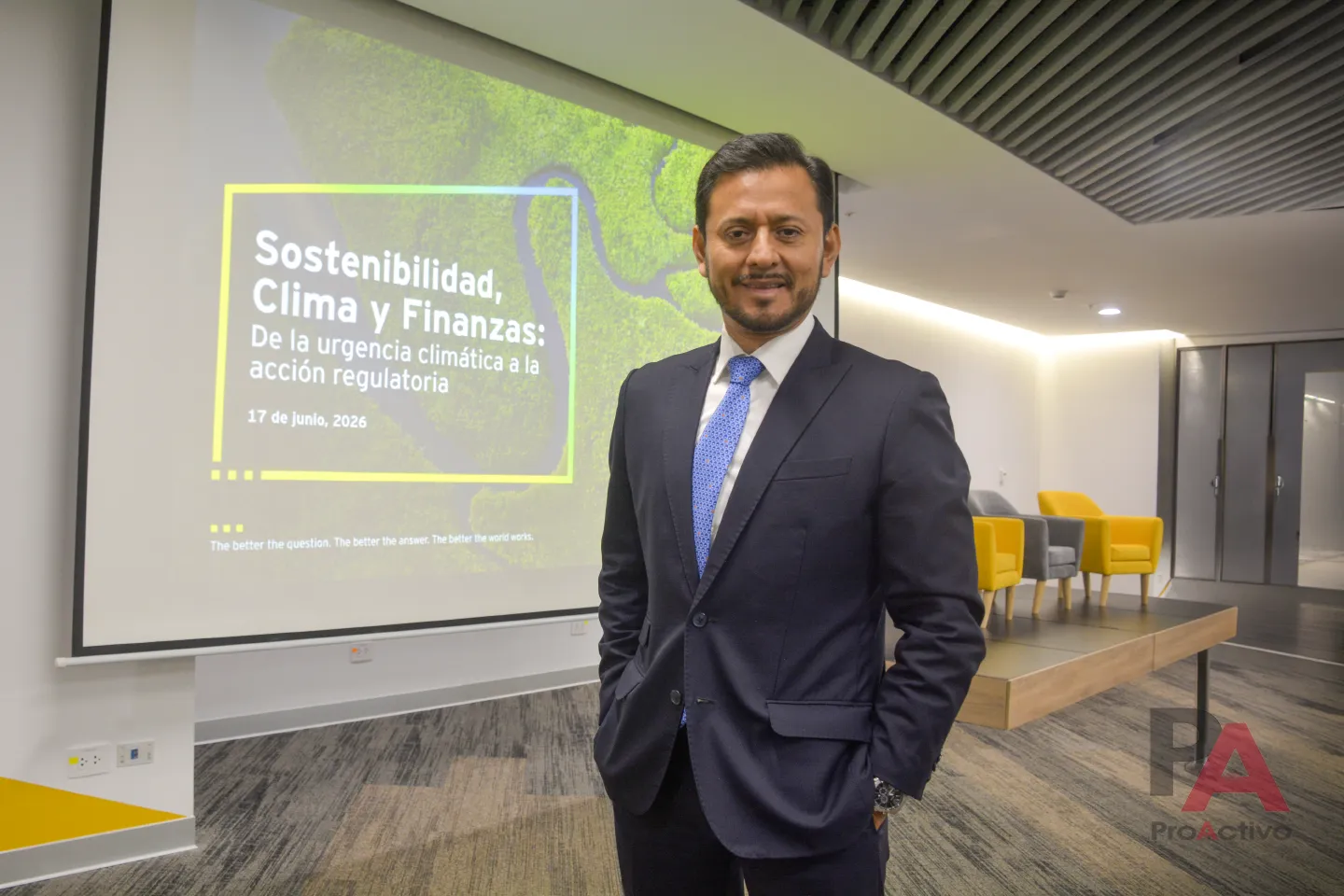
The recent forum, “From Climate Urgency to Regulatory Action,” served as a critical platform to discuss the implementation of the International Financial Reporting Standards (IFRS) S1 and S2. Organized by EY, the event underscored that climate change is no longer an abstract environmental concern; it is a material financial reality that must be quantified, audited, and integrated into the balance sheets of Peruvian companies.
Antonio Benites, Partner of Financial and Accounting Consulting and Sustainability Services at EY Peru, emphasized that the clock is ticking for organizations to overhaul their internal structures before the mandatory compliance deadline of 2029.
1. The Core Transformation: A Single Language for Finance and Sustainability
For years, corporate sustainability efforts operated in a silo, often disconnected from the boardroom’s financial strategy. While frameworks like the Task Force on Climate-related Financial Disclosures (TCFD), established in 2017, encouraged companies to report their climate risks, the voluntary nature of these reports led to inconsistent data and "greenwashing" concerns.
Globally, over 4,000 organizations adopted the TCFD, but the lack of a standardized, mandatory framework meant that investors struggled to compare performance across sectors. The adoption of IFRS S1 and S2 by the IFRS Foundation in 2023 changed this paradigm.
"The transition is not starting from scratch, but it is radically changing the rules of the game," says Antonio Benites. "We are moving from a world of fragmented, voluntary reporting to one of standardized, financial materiality. The key shift is that sustainability is no longer just for environmental departments; it is now a fundamental accounting function."
Under these new standards, companies must adopt an "investor-centric" view of sustainability. This requires a level of rigor similar to that applied to traditional financial assets and liabilities. The integration of ESG (Environmental, Social, and Governance) data into mainstream financial reporting ensures that investors can make informed decisions based on standardized, comparable, and auditable metrics.
2. Chronology of the Regulatory Shift
The journey toward mandatory ESG reporting in Peru follows a deliberate international and local trajectory:
- 2017: The TCFD releases its recommendations, establishing a voluntary foundation for climate-related financial disclosures.
- 2023: The International Sustainability Standards Board (ISSB) issues the inaugural IFRS S1 and S2 standards, creating a global baseline for sustainability reporting.
- March 27, 2026: The Peruvian Ministry of Economy and Finance (MEF), via the Normative Council of Accounting, issues Resolution N° 001-2026-EF/30. This resolution formally adopts the IFRS S1 and S2 standards in the country.
- 2026–2028: The critical "preparation window." During this time, companies are expected to build internal capacity, perform pilot audits, and align their financial and ESG data.
- 2029: The formal onset of mandatory compliance. Peruvian companies must begin presenting their sustainability disclosures within their audited financial statements.
3. Supporting Data and Financial Materiality
The shift to IFRS S1 and S2 is not merely a bureaucratic hurdle; it is a response to the increasing demand for transparency. IFRS S1, “General Requirements for Disclosure of Sustainability-related Financial Information,” establishes the framework for reporting sustainability risks and opportunities. IFRS S2, “Climate-related Disclosures,” provides the specific methodology for reporting how climate change affects a firm’s cash flows, access to finance, and cost of capital over the short, medium, and long term.
According to EY’s analysis, the cost of capital is increasingly tied to ESG performance. Investors are stripping away the "sustainability narrative" to look at the "sustainability balance sheet." Companies that cannot demonstrate resilience to climate risks are facing higher interest rates and a narrowing investor base.
"This is about financial materiality," Benites notes. "If a climate risk—such as a flood affecting a production plant or a regulatory change increasing carbon taxes—can impact a company’s bottom line, it must be reported in the financial statements. This is a language that accountants have been managing for decades, and they are now the protagonists of this transition."
4. Sector-Specific Challenges: Banking, Mining, and Construction
The impact of the new regulations will be uneven across the Peruvian economy, with specific sectors facing unique pressures:
The Banking Sector: The Gatekeepers of Capital
The financial sector is perhaps the most exposed. As the primary providers of capital, banks must now calculate the "financed emissions" of their clients. "Banks are the bridge to the economy," says Benites. "Their challenge is to measure how the projects they finance contribute to their own sustainability profile. Measuring the impact of a credit portfolio is a deep, complex task that is still in its infancy in the local market."
Mining and Construction: The Supply Chain Hurdle
For mining and construction, the challenge lies in the complexity of their supply chains. Because these companies rely on vast networks of suppliers and subcontractors, tracing the environmental impact of their entire value chain is a monumental task. Under the new IFRS standards, firms will be held accountable for more than just their direct (Scope 1 and 2) emissions; they must now begin to grapple with the "Scope 3" emissions that occur across their upstream and downstream operations.
5. Official Responses and Institutional Implications
The Ministry of Economy and Finance’s decision to adopt these standards is a proactive step toward aligning Peru with international best practices. By formalizing the adoption of IFRS S1 and S2, the Peruvian government is signaling to global markets that the country is committed to transparency and the mitigation of climate-related financial risk.

The resolution (available at MEF Official Portal) creates a roadmap for the transition. However, the onus is now on the private sector to bridge the "theory-to-practice" gap.
Bridging the Gap
To succeed by 2029, companies must:
- Establish Cross-Functional Teams: Sustainability, risk management, finance, and investor relations departments must break down silos and develop a single, unified narrative.
- Invest in Data Integrity: Sustainability data must be subjected to the same internal controls and audit processes as financial data.
- Pilot Testing: Companies should conduct "dry runs" of the new disclosure standards well before they become legally binding to identify gaps in reporting systems.
6. The Road Ahead: Implications for Competitiveness
The message to the Peruvian business community is clear: procrastination is a risk to competitiveness. In an era of global capital flows, investors are increasingly avoiding markets or companies that lack transparent, audited sustainability data.
"The interest in the technical aspects of this transition has matured significantly," Benites observes. "Business leaders are beginning to realize that these standards are not just about environmental reporting; they are about long-term business survival."
As the 2029 deadline approaches, the distinction between "sustainable" companies and "non-sustainable" companies will be defined not by their marketing campaigns, but by their audited financial statements. The integration of ESG into the accounting function marks the end of the era of empty promises and the beginning of an era of measurable, accountable performance.
As Peru moves forward, the synergy between financial institutions, regulators, and the private sector will determine how successfully the country navigates this transition. For those who embrace the rigor of IFRS S1 and S2, the path ahead offers an opportunity to attract investment, enhance operational efficiency, and build a more resilient future in an increasingly climate-conscious global economy.
For continued coverage on ESG regulations, financial reporting, and the mining sector, stay connected with #ProActivo.
About the Author:
Rebeca Ampudia Belling is an environmental attorney with over 10 years of experience in the public and private sectors. She holds an MBA from CENTRUM Católica with a focus on sustainability and innovation, and is a sustainability specialist certified by the Massachusetts Institute of Technology (MIT).