The regional government of Arequipa and mining giant Southern Perú Copper Corporation have finalized a landmark agreement to overhaul the Víctor Manuel Torres Cáceres Educational Institution. This multi-million-sol investment, executed via the "Obras por Impuestos" (Works for Taxes) mechanism, promises to redefine the academic landscape for students in the province of Islay.
Executive Summary: A Milestone for Islay’s Education
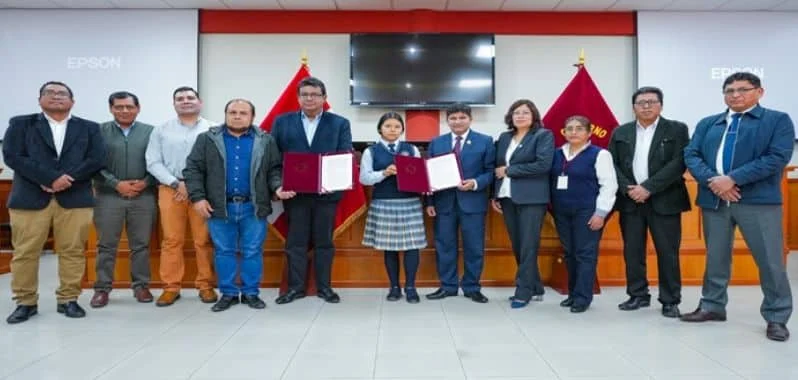
In a significant stride toward bridging the infrastructure gap in provincial education, the Arequipa Regional Government and Southern Perú Copper Corporation have officially signed a comprehensive investment agreement. The project, centered on the I.E. Víctor Manuel Torres Cáceres in the district of La Punta de Bombón, is set to receive an infusion of S/ 32,502,135.79.
This initiative is not merely a renovation; it is a full-scale modernization effort. By utilizing the Obras por Impuestos (OxI) mechanism—a public-private partnership model that allows companies to deduct tax payments in exchange for financing public infrastructure—the project ensures that bureaucratic hurdles are minimized while high-quality construction standards are prioritized. The scope includes the development of the technical dossier, the physical execution of the works, state-of-the-art equipment, and professional supervision.
Project Chronology: From Concept to Commitment
The journey toward this agreement began with a rigorous assessment of educational facilities in the Islay province. Following identification of the critical needs at the Víctor Manuel Torres Cáceres institution, stakeholders initiated a dialogue between regional authorities and the mining sector.
- Phase 1: Needs Assessment and Site Selection: The district of La Punta de Bombón was identified as a priority area due to the growing student population and the aging status of existing facilities.
- Phase 2: Feasibility and Mechanism Selection: Authorities opted for the OxI model, recognizing that Southern Perú’s technical and financial capabilities would provide the most efficient route to completion.
- Phase 3: Formal Agreement: The signing ceremony marked the culmination of months of negotiation, aligning the regional government’s educational goals with Southern Perú’s corporate social responsibility commitments.
- Phase 4: Implementation (Upcoming): With the agreement now signed, the focus shifts to the elaboration of the technical dossier, which will serve as the architectural and engineering blueprint for the construction phase.
Technical Specifications: Building for the Future
The project is set to occupy a sprawling site of over 16,000 square meters. Given the scale, the design is focused on creating an integrated learning environment that caters to both traditional academic requirements and the demands of modern technological education.
Architectural Layout and Academic Spaces
The new facility will move away from the restrictive designs of the past. The plan includes:

- Advanced Academic Wings: Purpose-built classrooms designed for modular learning.
- Innovation Hubs: Specialized laboratories for science, as well as dedicated rooms for computing and pedagogical innovation, ensuring students are prepared for the digital economy.
- Creative Spaces: Specific areas designated for art and communications to foster holistic development.
- Logistical Support: Fully equipped kitchens, dining facilities, and administrative wings to streamline the daily operations of the school.
Recreational and Sporting Infrastructure
Recognizing that physical education is vital to student health and discipline, the project includes a massive upgrade to the institution’s sporting facilities:
- Covered Multi-Sport Arena: A state-of-the-art roofed sports complex complete with tiered seating, allowing for school events regardless of weather conditions.
- Synthetic Turf Field: A high-durability grass field, facilitating year-round use for athletics and school tournaments.
The "Obras por Impuestos" (OxI) Mechanism: A Catalyst for Progress
The OxI model has become a cornerstone of public-private cooperation in Peru. By allowing Southern Perú to execute the project directly, the regional government bypasses common delays in public procurement.
Why this works:
- Efficiency: Private entities often manage supply chains and construction timelines with a level of agility that public entities struggle to replicate.
- Quality Assurance: Under the OxI framework, the financing company is incentivized to ensure the infrastructure meets long-term quality standards, as the facility reflects their commitment to the community.
- Fiscal Transparency: Every sol spent is subject to strict auditing processes, ensuring the public budget is utilized with maximum transparency and accountability.
Official Responses and Stakeholder Vision
Representatives from both the Arequipa Regional Government and Southern Perú highlighted the strategic importance of this investment.
A spokesperson for the regional government emphasized that "this project is a testament to what can be achieved when the public sector facilitates private investment for the benefit of the community." The focus remains on "Closing the gap between the education received by students in rural or provincial areas and those in the capital," a goal that remains central to the current administration’s agenda.
Southern Perú, through its representative, noted: "Our involvement in the Víctor Manuel Torres Cáceres project goes beyond infrastructure. It is about empowering the youth of La Punta de Bombón. We believe that by providing a world-class environment, we are not just building classrooms; we are building opportunities for the next generation of leaders."
Socio-Economic Implications for Islay
The impact of this project extends far beyond the school gates. The infusion of S/ 32 million into the district’s local economy will have immediate and long-term ripple effects.

Immediate Impact: Local Employment
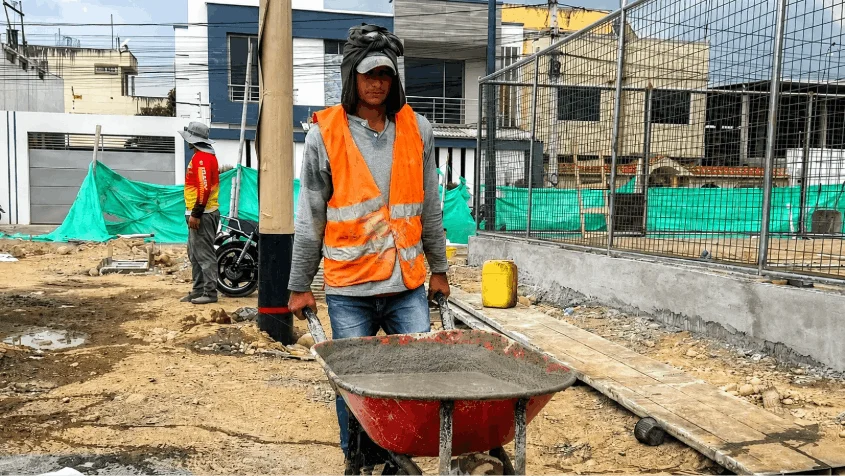
The construction phase is expected to generate significant demand for local labor. From skilled masonry and electrical engineering to basic site logistics, the project will act as a temporary but powerful engine for local job creation. Furthermore, local suppliers for construction materials will benefit from the supply chain requirements of the project.
Long-term Impact: Human Capital Development
The most profound effect will be seen in the quality of education delivered to the children of Islay. By providing an environment that fosters innovation and creativity, the project will likely lead to:
- Higher Enrollment and Retention: Modern facilities are proven to increase student attendance and engagement.
- Improved Academic Performance: Access to modern computing labs and libraries bridges the "digital divide" that often hinders rural students.
- Community Cohesion: The school facilities, particularly the sports arena, will serve as a hub for community engagement, fostering a sense of pride and unity within the district.
Conclusion: A New Standard for Regional Development
The investment in the Víctor Manuel Torres Cáceres institution is a landmark event for the Arequipa region. By blending the resources of the private sector with the public-interest mandate of the regional government, the project provides a blueprint for how Peru can modernize its public infrastructure.
As the technical dossier progresses toward completion, the citizens of La Punta de Bombón look forward to the day the doors open to this new facility. For now, the project stands as a shining example of proactive development, proving that when stakeholders align their interests, the primary beneficiaries—the students—stand to gain the most.
This modernization is not just an upgrade to a building; it is a commitment to the future, ensuring that the province of Islay remains competitive, educated, and prepared for the challenges of the 21st century.