The Peruvian economy is facing a significant inflationary challenge as the prices of essential fuels continue to climb, reaching levels not seen since the onset of the geopolitical instability in the Middle East earlier this year. As of mid-August, the cost of diesel and gasohol has surged, placing immense pressure on the logistics sector, food distribution networks, and the average consumer’s pocketbook.
Data from major wholesalers, including the state-owned Petroperú and the private firm Repsol, reveals a concerning trend: the price of diesel B5 UV—the lifeblood of the nation’s heavy transport—has more than doubled since February. This escalation is not merely a reflection of global oil market volatility; it is a compounded issue involving local operational bottlenecks and the persistent fragility of energy supply chains.
The Current Landscape: A Surge in Wholesale Prices
The numbers are stark. For the week ending August 11, wholesale prices for diesel B5 UV reported by Repsol hit S/ 24.66 per gallon, marking an staggering 103% increase compared to the S/ 12.14 recorded at the end of February. Petroperú, while slightly lower at S/ 23.09 per gallon, still represents a massive 90.2% jump from its February baseline.
This upward trajectory has not been limited to diesel. Gasoholes, which are critical for the retail automotive market and taxi services, have also seen significant price adjustments. The "regular" gasohol variant rose by 52.9%, climbing from S/ 12.11 to S/ 18.52 per gallon, while the "premium" variant saw a 38.2% increase, moving from S/ 13.70 to S/ 18.93.
While the market experienced a brief period of respite between May and June, the reversal of this trend starting in July has caught many industry observers off guard, suggesting that the "new normal" for fuel prices in Peru is significantly higher than pre-conflict levels.
A Chronology of the Crisis: From Stability to Escalation
To understand how Peru arrived at this juncture, one must look at the timeline of events that have shaped the energy landscape:
- February 2024: Prices for diesel B5 UV hovered around S/ 12.14, a level consistent with stable global supply chains before the intensification of the conflict in the Middle East.
- March – April 2024: As tensions flared near the Strait of Hormuz—a vital maritime chokepoint for global oil transit—the West Texas Intermediate (WTI) crude benchmark spiked, exceeding US$ 112 per barrel in April. Peru felt the immediate downstream effects, with sharp price hikes across all fuel categories.
- May – June 2024: Global markets stabilized momentarily, with WTI prices retreating toward US$ 68 by early July. Peruvian fuel prices began a slow, welcomed descent.
- July – August 2024: The lull proved temporary. Geopolitical tensions failed to resolve, and new supply chain constraints emerged. By August 11, the WTI benchmark had climbed back to US$ 83.24 per barrel, triggering a secondary, more aggressive wave of price hikes in the Peruvian domestic market.
The "Double Whammy": International Factors and Domestic Hurdles
Specialists point to two distinct, yet simultaneous, factors driving these increases. The first is the undeniable international context. Energy markets remain hypersensitive to regional conflicts that threaten oil transit. According to Luis Espinoza, an expert in energy markets, the global market is "maintaining a high-price equilibrium" because the underlying geopolitical triggers—specifically the unrest in the Middle East—remain unresolved.
Furthermore, there is a systemic "lag effect." International price shifts do not manifest at the Peruvian pump instantly. There is a structural delay of two weeks to one month as local importers and refineries adjust their inventory costs. This explains why, even when global crude prices may fluctuate downward, Peruvian prices remain elevated as they "catch up" to previous spikes.
However, the second factor is internal and arguably more damaging. Former Vice Minister of Energy, Pedro Gamio, highlights the ongoing financial and operational instability of Petroperú as a critical driver of the current crisis. Petroperú, which is responsible for approximately 30% of the nation’s diesel supply, has faced severe liquidity challenges, leading to gaps in procurement and, ultimately, regional fuel shortages.
Why Diesel Bears the Brunt of the Increase
The disproportionate rise in the price of diesel compared to gasoholes is not a coincidence; it is a reflection of its role as the primary fuel for the Peruvian economy.
"Diesel is the most relevant fuel because it moves all the wholesale cargo that sustains the country’s economy," explains Pedro Gamio. "When the price of diesel rises, the cost of transporting food from the highlands to the coast increases immediately, which inevitably contributes to broader food inflation."
Industry analysts also point to seasonal demand in the United States—the primary market for many of Peru’s refined imports—as a contributor. Increased summer demand for distillates in the Northern Hemisphere has tightened supply, making it more expensive for countries like Peru to secure consistent shipments. When Petroperú fails to meet its quota due to its own internal financial struggles, the market faces a supply deficit, and in a climate of scarcity, prices invariably trend upward.
Implications for the Consumer and the Economy
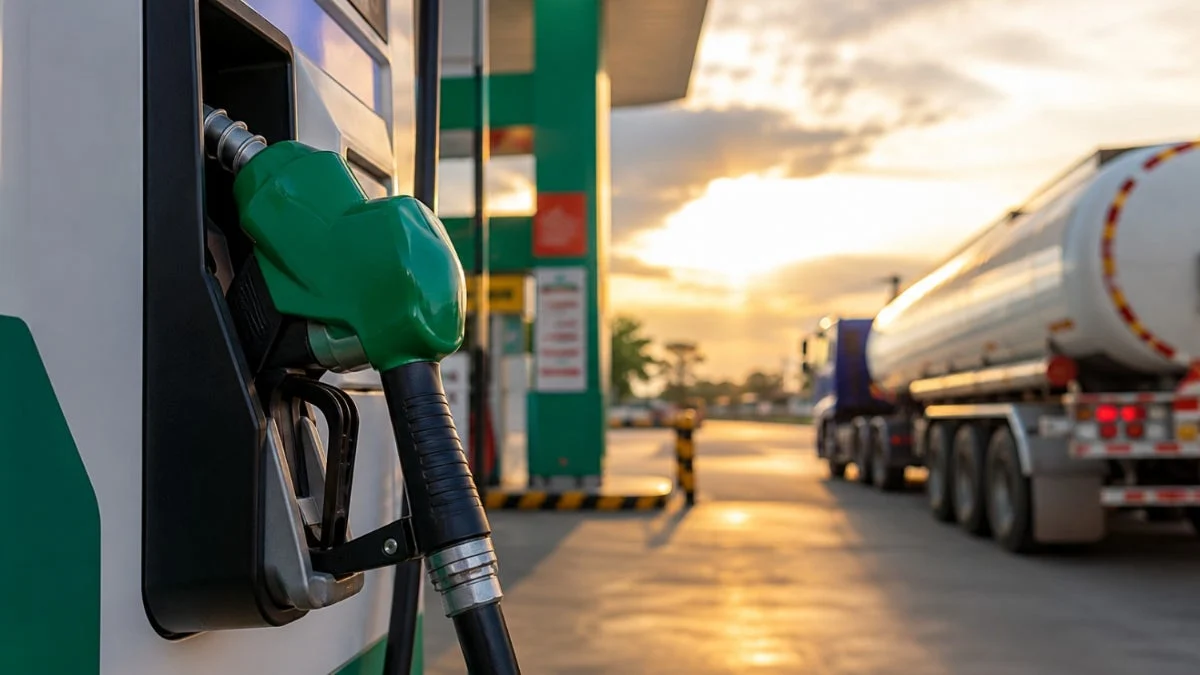
While wholesale prices provide the benchmark, the reality for the average citizen is found at the retail pump. According to Osinergmin’s Facilito portal, as of mid-August, the price of diesel B5 UV in Lima Metropolitan area ranges from S/ 21.42 to a high of S/ 27.99 per gallon.
For the transport sector, these margins are unsustainable. Small-scale truckers and public transport operators are facing a precarious situation where their operating costs have nearly doubled, forcing them to either absorb the losses or pass the costs on to the end consumer. This creates a dangerous inflationary cycle: higher fuel costs lead to higher transport costs, which lead to higher prices for basic commodities like bread, vegetables, and milk.
Furthermore, the lack of transparency in the transmission of these price changes remains a concern for the public. While wholesalers publish their rates, the gap between the wholesale price and the retail price at various gas stations suggests a market that is not always reacting efficiently to price reductions.
The Path Forward: Oversight and Stabilization
The government is under increasing pressure to address both the institutional stability of Petroperú and the volatility of the retail market. The recent reorganization of Petroperú’s board, which saw the return of figures like Oliver Stark, signals an attempt to steer the state company toward fiscal discipline. However, restoring confidence in the supply chain will take time.
For the consumer, the tools for navigating this crisis are limited. The Facilito platform remains the primary resource for citizens to compare prices and find the most competitive rates in their district. While this does not lower the national average, it encourages price competition among retailers.
In conclusion, Peru’s current fuel crisis is a multifaceted problem. It is a product of a fragile international energy market, a structural delay in price adjustment, and the domestic operational limitations of its primary state-owned energy provider. Until these supply-side issues are addressed, the Peruvian economy must prepare for a period of sustained high fuel costs, with the associated ripple effects on the cost of living for every household in the country.
As the government continues to manage the financial restructuring of its energy sector, the focus must remain on ensuring that critical supply chains for food and essential goods are shielded from the worst of these market shocks. The road ahead requires a delicate balance between fiscal responsibility and the urgent need to keep the nation’s transport networks moving.