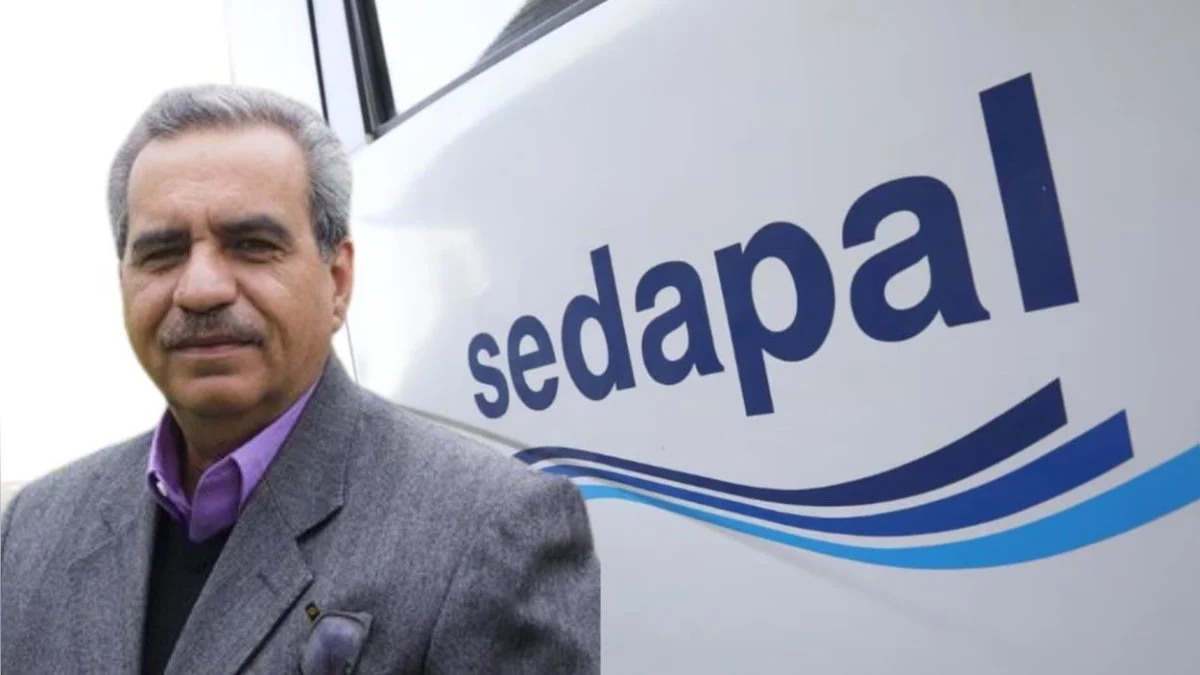
In a definitive move to address the chronic deficiencies plaguing the water and sanitation infrastructure of Lima and Callao, the Peruvian Executive branch has initiated a sweeping restructuring process for the Servicio de Agua Potable y Alcantarillado de Lima (Sedapal). At the center of this transformation is the appointment of Fernando Julio Laca Barrera as the new president of the board of directors, a strategic move designed to overhaul management practices, accelerate project execution, and ensure long-term service stability for millions of residents.
The decision follows years of mounting public frustration, technical failures, and bureaucratic inertia that have characterized the utility’s recent history. By installing a seasoned expert with deep ties to the sector, the government aims to pivot from a model of reactive maintenance to one of proactive, efficient infrastructure management.
The Core Mandate: Why Reform Now?
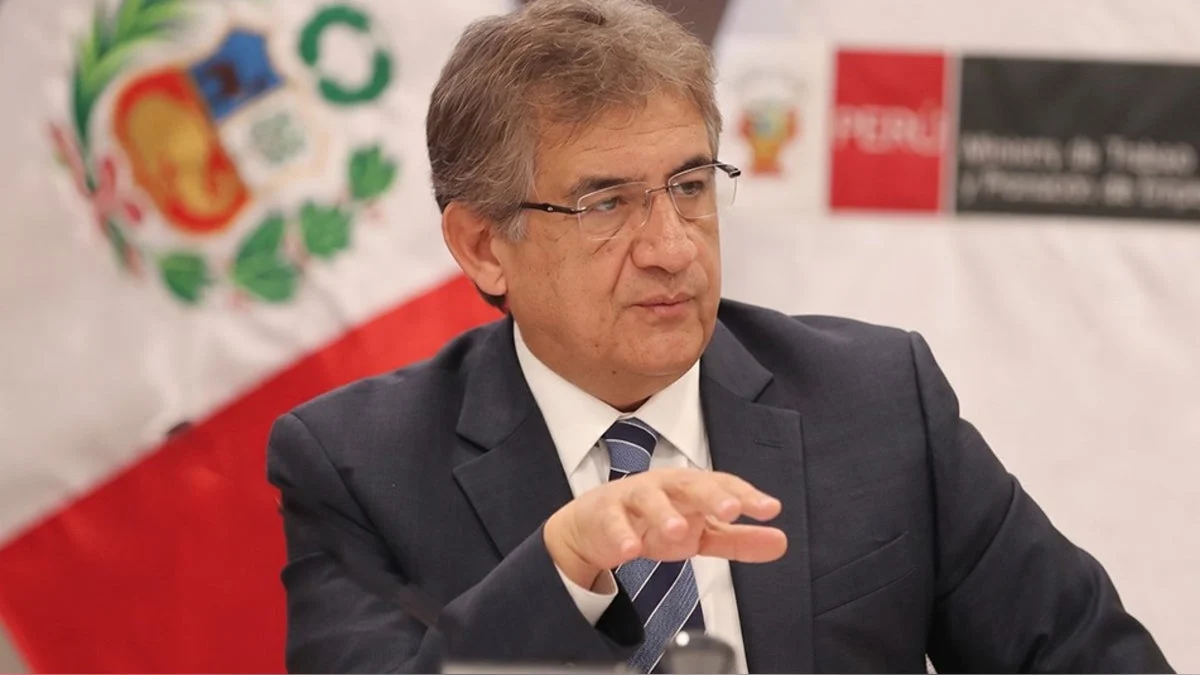
The mandate for change is rooted in the government’s acknowledgment that Sedapal’s current operational framework is insufficient to meet the demands of a rapidly growing metropolitan area. Minister of Housing, Construction, and Sanitation, Mauricio Arnillas, has been clear: the status quo is untenable.
The "exceptional restructuring" of Sedapal is not merely an administrative shuffle; it is a policy priority integrated into the government’s legislative agenda. For too long, the utility has been plagued by extreme delays in project implementation. Experts, including former Housing Minister Milton von Hesse, have pointed out that the lead time between the approval of a critical water project and its actual operational start can exceed a decade. This "lost decade" of infrastructure development has left many peripheral districts in Lima without consistent access to potable water and reliable sewage systems.
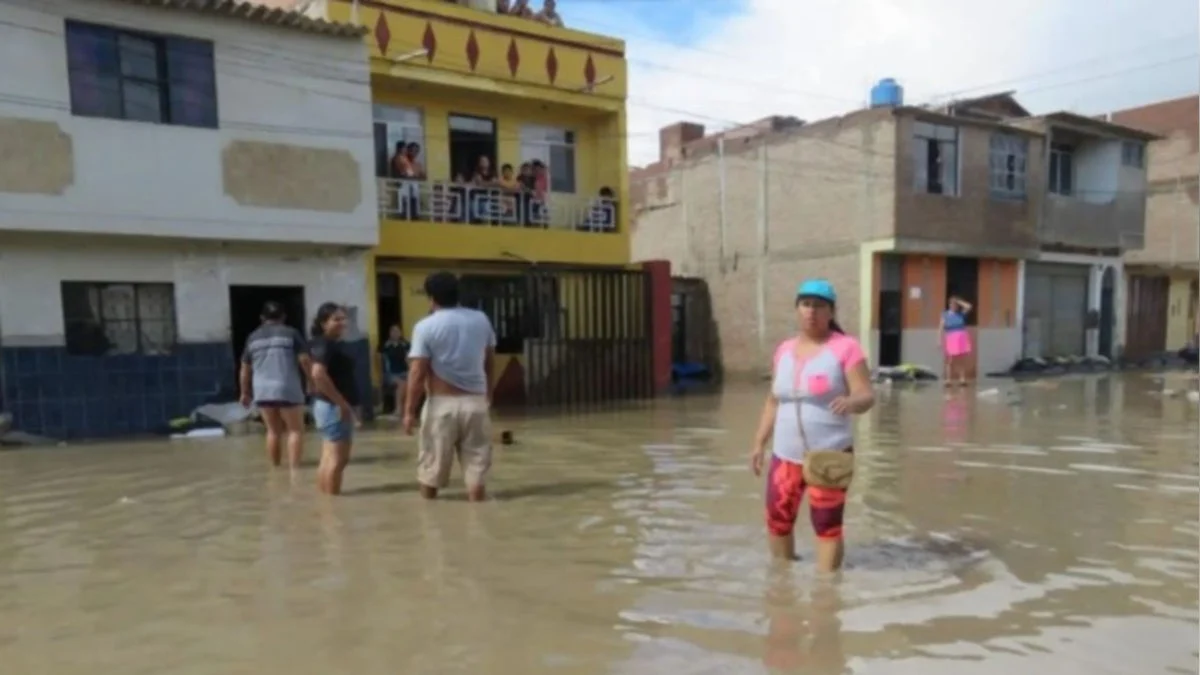
Beyond the macro-level delays, the daily realities for residents have become increasingly difficult. In August, the municipalities of Villa El Salvador and Chorrillos saw massive sewage overflows following heavy rains, a recurring technical failure that has prompted harsh criticism from local authorities. These events underscored a systemic inability to manage basic infrastructure under stress, prompting the Executive to seek a fundamental shift in how Sedapal operates.
Fernando Laca: A Technocratic Profile
The appointment of Fernando Laca Barrera is clearly intended to signal that this transition will be led by technical expertise rather than political interests. Laca, a civil engineer by profession, brings a resume that is uniquely suited to the challenges at hand.
His professional background reads like a roadmap of the Peruvian sanitation sector. Having served twice as the Vice Minister of Construction and Sanitation, he possesses an intimate knowledge of the regulatory hurdles that often stall public works. His experience at the Organismo Técnico de la Administración de los Servicios de Saneamiento (OTASS) and the Superintendencia Nacional de Servicios de Saneamiento (Sunass) provides him with the necessary institutional memory to navigate the complex relationships between the utility, the regulator, and the state.
Perhaps most significantly, his tenure as a senior specialist at the World Bank and his role as a technical coordinator for the Program for the Reform of Water Services demonstrate a career-long focus on institutional strengthening. Since 2019, Laca has been instrumental in coordinating technical assistance for the reform of water services, suggesting that his new role is the culmination of years of study on how to fix exactly the problems he is now tasked with solving.
Chronology of the Crisis and Intervention
To understand the necessity of this intervention, one must look at the recent timeline of events:
- Early Year: The former board, led by Hugo Fernando Obando Concha, reported a tariff adjustment approved by Sunass, intended to increase annual revenue by S/500 million, specifically earmarked for infrastructure improvements.
- February: Public and media scrutiny intensified regarding the company’s internal cost structures. Critics highlighted that while the company demanded more rate-payer revenue, internal spending—particularly regarding executive salaries and administrative benefits—remained a point of contention.
- July: Sedapal initiated emergency preventive works on the Rímac River and the Huachipa and La Atarjea treatment plants, bracing for the potential impact of the El Niño Costero phenomenon.
- August: Severe sewage overflow incidents in South Lima highlighted the fragility of the existing piping and treatment network, leading to direct confrontations between local mayors and Sedapal management.
- Present Day: The formal appointment of Fernando Laca as president of the board marks the official launch of the Executive’s restructuring plan, aimed at streamlining operations and restoring public confidence.
Official Responses and the "Privatization" Debate
One of the most sensitive aspects of this reform is the public perception regarding the potential privatization of water resources. In a country where the memory of failed utility privatizations remains vivid, Minister Mauricio Arnillas has been careful to frame the reform as a strengthening of state capacity, not an abdication of it.
"I want to tell the population to have confidence; this restructuring is for the good of Sedapal and the people," Arnillas stated. He firmly dismissed any claims that the government is seeking to sell off water assets. "Sedapal has all the qualities to be one of the best companies in Peru, without that meaning the privatization of water. Water is public, it belongs to the State, and it will remain that way."
The government’s strategy is to make Sedapal a high-performing state-owned enterprise (SOE). By introducing corporate-style efficiency, transparency, and faster procurement cycles, the Executive believes it can prove that public management can be as effective as private enterprise, provided the bureaucratic barriers are removed.
Financial Realities: Tariffs vs. Investment
The financial landscape that Fernando Laca inherits is complex. On one hand, the recent tariff adjustment—raising revenue from S/2,950 million to S/3,450 million—is intended to provide a much-needed liquidity injection for capital-intensive projects. Among these is the ambitious plan to expand the La Atarjea water treatment plant, which is designed to handle 10 cubic meters per second, a vital upgrade for the growing population of the capital.
However, the challenge is not just getting the money, but spending it effectively. In previous years, the company has faced criticism for its inability to execute its budget, leading to funds sitting idle while the city’s water deficit worsened. Furthermore, the internal cost structure of Sedapal remains a significant political liability. Any effort to increase efficiency will inevitably require a review of personnel costs and administrative overhead, which may trigger friction with powerful labor unions within the company.
The Path Forward: Implications for Lima and Callao
The implications of this restructuring are far-reaching. For the millions of residents of Lima and Callao, the hope is that a more agile Sedapal will mean fewer service interruptions, faster responses to emergencies, and, eventually, universal coverage for those in the city’s outskirts who still rely on water trucks.
For the Peruvian government, the success or failure of this reform will serve as a litmus test for its ability to reform the state apparatus. If the Executive can transform a sluggish, legacy utility into a modern, high-tech, and responsive entity, it could set a template for the reform of other public sector entities.
The roadmap for Laca’s team is clear:
- Streamlining Procurement: Reducing the ten-year project cycle to a fraction of the time by modifying internal regulations and clearing bureaucratic bottlenecks.
- Infrastructure Hardening: Prioritizing climate-resilient upgrades to ensure that the water supply remains stable despite the increasing unpredictability of weather patterns.
- Fiscal Discipline: Ensuring that the additional revenue from tariffs is directly translated into tangible infrastructure rather than administrative bloat.
- Operational Transparency: Restoring the public’s trust by providing clear, measurable results on project completion rates and service quality metrics.
As Fernando Laca takes the helm, the eyes of the nation are fixed on Sedapal. The goal is no longer just to keep the water flowing, but to build a system that can sustain the future of one of South America’s most populous capitals. With the legislative support of the Executive and a clear technocratic mandate, the stage is set for a transformation that, if successful, will be a historic victory for the residents of Lima and Callao.