In a significant realignment of regional geopolitics, the Peruvian government has officially joined the "Shield of the Americas" (Escudo de las Américas), a high-stakes security and intelligence coalition spearheaded by the administration of U.S. President Donald Trump. The announcement, confirmed by U.S. Secretary of State Marco Rubio during his diplomatic tour of South America, marks a pivotal moment in the strategy to address transnational criminal threats and migration challenges across the Western Hemisphere.
The Genesis of a Regional Coalition
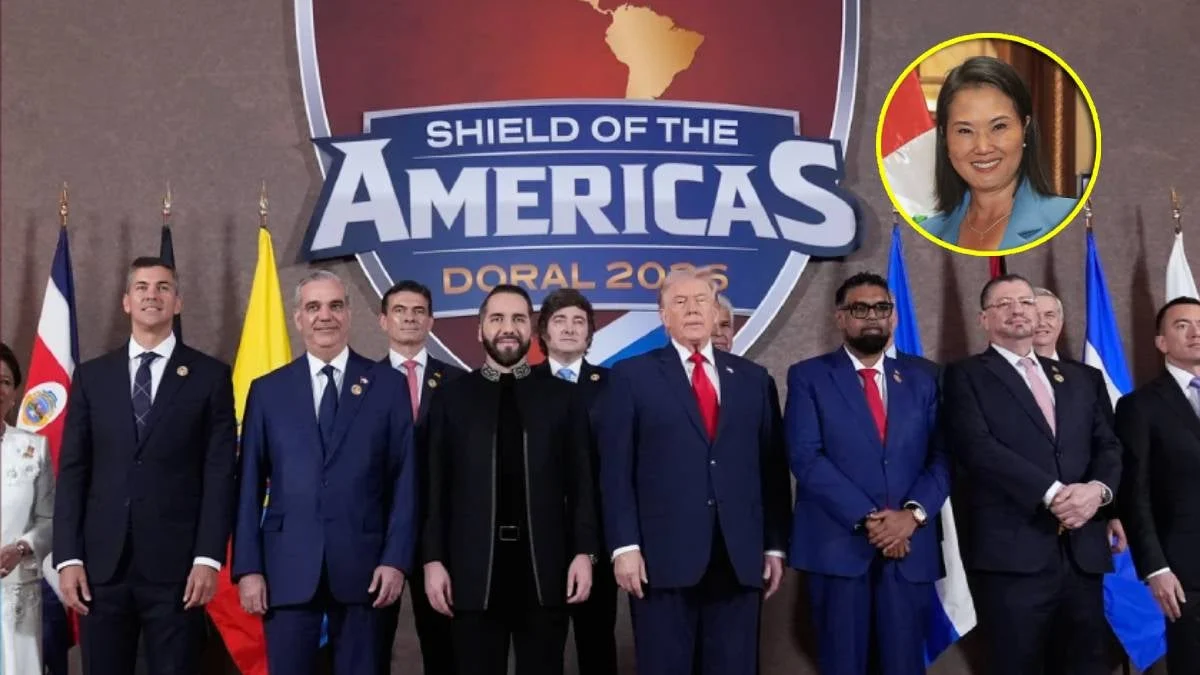
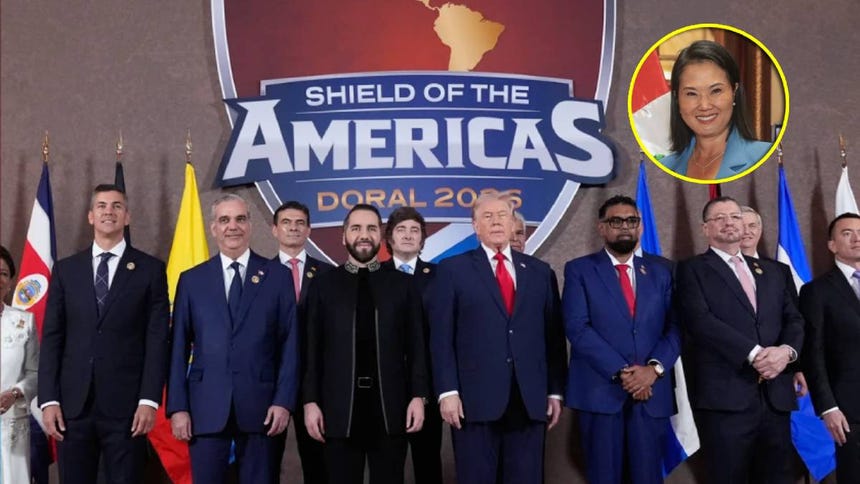
The "Shield of the Americas" initiative traces its formal origins to a strategic summit held on March 7, 2026, at the Trump National Doral in Miami. The meeting served as a foundational platform for President Trump and Secretary of State Marco Rubio to consolidate a bloc of regional allies committed to a unified approach toward shared security concerns.
The summit brought together 12 heads of state from across the hemisphere, signaling a clear intent to move beyond traditional multilateral frameworks—such as the Organization of American States (OAS)—toward a more agile, security-focused alliance. The attendees included prominent leaders such as Argentina’s Javier Milei, El Salvador’s Nayib Bukele, Ecuador’s Daniel Noboa, and Costa Rica’s Rodrigo Chaves, among others. The presence of José Antonio Kast, representing Chile prior to his presidential inauguration, underscored the ideological alignment of the coalition’s architects.
Core Mandates and Strategic Objectives
The Shield of the Americas is not merely a diplomatic forum; it is a structured mechanism for deep cooperation in intelligence, defense, and political coordination. Its mandate is tripartite, focusing on:
- Counter-Narcoterrorism: A primary objective is the dismantling of transnational criminal organizations and drug cartels that operate across borders with impunity. By integrating intelligence networks, member nations aim to disrupt supply chains, financial flows, and command-and-control structures of illicit groups.
- Regional Stability and Security: Beyond drugs, the coalition addresses broader security threats, including the rise of extremist movements, illegal trafficking of arms, and the preservation of democratic institutions against external and internal destabilization efforts.
- Migration Management: Under the Trump administration’s policy framework, the coalition seeks to curb mass illegal immigration. This involves the sharing of biometric data, the deployment of enhanced surveillance technology, and the synchronization of border enforcement strategies across the transit corridors of the Americas.
Chronology of the Initiative
- March 7, 2026: The inaugural "Shield of the Americas" summit takes place in Miami. President Trump and Secretary Rubio outline the vision for a integrated regional security architecture.
- April–August 2026: Member states begin bilateral negotiations to standardize intelligence-sharing protocols.
- September 2026: Secretary of State Marco Rubio embarks on a diplomatic tour of Colombia, Ecuador, and Peru to finalize the inclusion of key Andean partners.
- September 8, 2026: Peru formally joins the coalition. The announcement is solidified during Secretary Rubio’s visit to Lima, following earlier expressions of interest by President Keiko Fujimori.
Peru’s Strategic Pivot
The integration of Peru into the coalition represents a calculated strategic pivot for the Andean nation. Even before her official inauguration, President Keiko Fujimori signaled a strong desire to align Peru with the Washington-led security apparatus. This move is widely viewed by analysts as an effort to bolster domestic security against the backdrop of rising organized crime and social instability.
Secretary of State Marco Rubio, in a guest column published in the Peruvian newspaper El Comercio, framed the partnership as a logical evolution of Peru’s status as a "Major Non-NATO Ally." Rubio stated: "We are synchronizing efforts to protect our hemisphere from transnational and regional threats, welcoming Peru—now an important Major Non-NATO Ally—into the Shield of the Americas."
Government officials in Lima, including key cabinet members, have defended the decision by citing the need for greater operational success in the fight against urban and rural criminality. Proponents argue that the access to U.S. satellite imagery, advanced training, and real-time intelligence will provide a critical technological edge that domestic security forces previously lacked.
The Current Membership Roster
The coalition has grown steadily since its inception in March. As of September 2026, the member countries include:
- North and Central America: United States, Costa Rica, El Salvador, Honduras, Panama.
- South America: Argentina, Bolivia, Chile, Ecuador, Guyana, Paraguay, Peru.
- Caribbean: Dominican Republic, Trinidad and Tobago.
This geographic breadth suggests an intention to create a "cordon sanitaire" that spans the critical migration and drug-trafficking routes from the Southern Cone up to the U.S. border.
Implications for Regional Diplomacy
The formation of the Shield of the Americas carries profound implications for the future of Latin American politics.
1. Shift Toward Bilateralism and Minilateralism
The rise of this coalition signals a move away from the "Big Tent" approach of larger regional organizations. By creating a smaller, more ideologically cohesive group, the United States is prioritizing efficiency and speed over consensus-based diplomacy. While this allows for rapid action, critics worry that it may exacerbate regional polarization, effectively splitting the continent into distinct security blocs.
2. Intelligence Integration
The most tangible impact of the Shield is the "intelligence fusion" component. Member states are expected to provide access to national databases, which, when combined with U.S. signals intelligence (SIGINT), creates a comprehensive picture of criminal activity in the region. For nations like Peru, this could lead to a significant increase in successful interdiction operations. However, it also raises questions regarding data sovereignty and the potential for domestic political surveillance, a concern often cited by opposition groups within the member nations.
3. Economic and Trade Linkages
While the Shield is primarily a security pact, the U.S. has historically used such alliances to anchor economic policy. Analysts expect that countries participating in the Shield will receive priority status for security-related aid, technology transfers, and potentially favorable trade considerations. This "security-first" foreign policy marks a return to a more transactional, realpolitik-based engagement with Latin America.
4. Sovereignty and Domestic Friction
In nations with strong nationalist traditions, such as Peru or Argentina, the presence of foreign intelligence and security coordination can become a lightning rod for domestic political friction. Opponents of the move in Peru have expressed concerns that the country may be drawn into regional conflicts or that its security forces may be directed by Washington’s priorities rather than the local realities of the Peruvian people.
Conclusion: A New Era of Hemispheric Security
The Shield of the Americas represents a fundamental shift in how the United States and its partners perceive their collective security. By defining mass migration, drug cartels, and regional instability as existential threats that require a unified military and intelligence response, the Trump administration has established a clear framework for its policy in the Americas.
For Peru, joining this alliance is a commitment to a future of deeper integration with U.S. defense structures. As the coalition moves from the planning phase into full operational status, the success of the Shield will be measured by its ability to demonstrably reduce crime rates and manage migratory flows without undermining the democratic integrity of its member states. Whether this "Shield" proves to be a robust defense against the threats of the 21st century or a source of further regional division remains the central question facing the continent today.