Introduction: A Critical Infrastructure Milestone
The Guatemalan government, through the Ministry of Communications, Infrastructure, and Housing (CIV), is currently navigating a high-priority logistical operation in the department of Zacapa. The assembly of the new Güijo bridge, located at kilometer 111 of the CA-9 North highway in the municipality of Usumatlán, represents a vital effort to restore the economic and social arteries of the region. Following a significant structural failure that crippled this essential corridor, the deployment of a modular Acrow Panel bridge stands as the primary solution to reconnect communities and facilitate the seamless flow of heavy transport and civilian traffic.
Main Facts: Technical Specifications and Project Scope
The project, managed by the General Directorate of Roads (DGC), is designed to provide a durable, rapid-deployment solution to a critical bottleneck. As of the latest site reports, the engineering teams have successfully completed the assembly of six out of the 13 required metal modules.
The technical specifications of the bridge are as follows:
- Total Length: 39.65 meters.
- Total Width: 7.35 meters.
- Bridge Type: Acrow Panel Modular Steel System.
- Capacity: Engineered for high-volume, two-way vehicular traffic.
- Strategic Importance: Serves as the primary link for the CA-9 North, a backbone route for national commerce.
This infrastructure is not merely a temporary fix; it is a robust engineering intervention intended to withstand the heavy vehicular demands of a highway that connects the capital to the northern departments and international trade hubs.
Chronology of the Intervention
The timeline of this project underscores the urgency with which the Guatemalan authorities have responded to the regional infrastructure crisis.
Phase 1: Assessment and Emergency Response
Following the initial damage to the existing infrastructure, the CIV declared an emergency, recognizing that the blockage at kilometer 111 posed a severe threat to the regional economy. Site surveys were conducted within 48 hours to determine the viability of a modular bridge system as a permanent-use replacement for the damaged section.

Phase 2: Logistics and Mobilization
During the initial weeks, the primary challenge involved the transport of heavy modular steel components to the Usumatlán site. Given the topographic challenges of the Zacapa region and the necessity of keeping the site clear for construction equipment, logistics planners established a staging area to facilitate the systematic delivery of the 13 modules.
Phase 3: Assembly (Current Status)
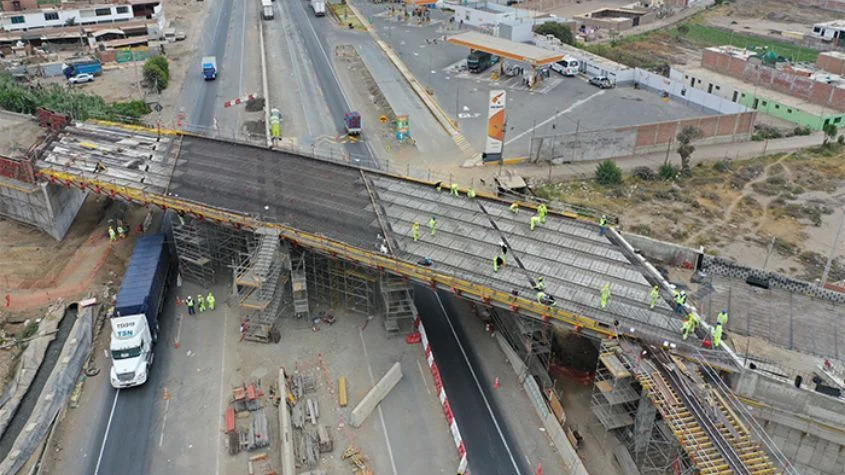
As of the current reporting period, the team has reached the 50% completion milestone regarding the main span assembly. The assembly process involves precision engineering to ensure the structural integrity of the interlocking steel panels.
Phase 4: Finalization and Commissioning
The project roadmap dictates that the assembly of the primary bridge structure will conclude by the end of the current week. Once the main span is secured, the focus will shift to the construction of reinforced approach ramps at both the northern and southern entries. According to current projections, the bridge is expected to be fully operational, with traffic restored, within approximately one week following the completion of the ramps.
Supporting Data: Economic and Social Implications
The CA-9 North highway is more than just a road; it is a fundamental pillar of the Guatemalan economy. Its obstruction has had a ripple effect, impacting several key sectors.
Impact on Trade and Logistics
Zacapa serves as a logistical nexus. The interruption of traffic on this corridor has led to increased transit times for commercial fleets, which directly translates to higher fuel consumption and elevated logistics costs. By restoring the bridge, the government is mitigating the risk of supply chain disruptions for essential goods, including food, medicine, and agricultural inputs destined for the northern regions.
Social Connectivity
For the residents of Usumatlán and the surrounding areas, the bridge is the primary connection to medical facilities, educational institutions, and job centers. Prolonged isolation has historically led to decreased productivity and limited access to public services. The restoration of this link is essential for the normalization of daily life for thousands of Guatemalans.

Official Responses and Strategic Vision
The Ministry of Communications, Infrastructure, and Housing (CIV) has emphasized that this project is part of a broader national strategy to modernize and harden the nation’s infrastructure against climate-related vulnerabilities.
Statement from the DGC
Representatives from the General Directorate of Roads (DGC) have noted that the use of Acrow Panel technology was a deliberate decision. These bridges are renowned globally for their versatility, speed of installation, and structural reliability. The official position remains focused on the "Recovery of Connectivity" initiative, which aims to identify and remediate high-risk points along the national road network before they result in catastrophic failures.
Administrative Oversight
The project is being monitored by internal audit teams to ensure that the materials used meet the rigorous international safety standards required for heavy-load transit. The government has also indicated that once the bridge is fully operational, a regular maintenance schedule will be implemented to monitor the structural stress and fatigue of the steel panels, ensuring a lifespan that exceeds initial expectations.
Implications for Future Infrastructure Policy
The situation in Zacapa provides a clear case study for the necessity of proactive infrastructure management in Central America.
Resilience and Climate Adaptation
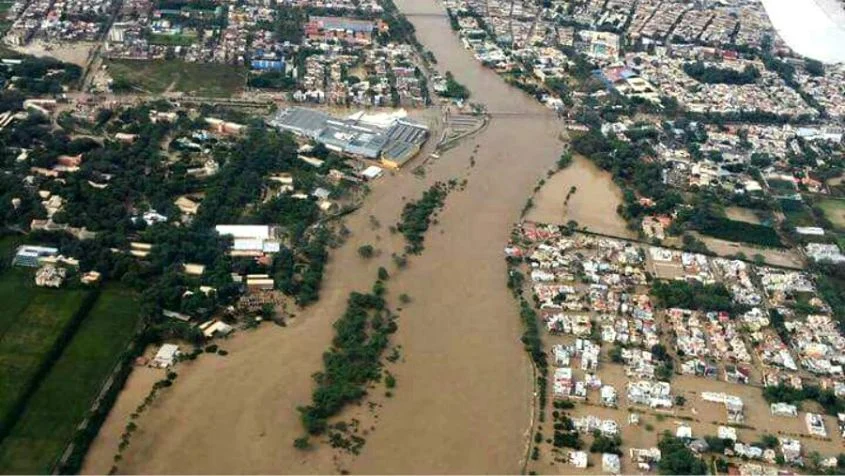
The damage that necessitated this new bridge was largely attributed to extreme weather events that overwhelmed existing drainage and structural foundations. Moving forward, the CIV is shifting toward "Resilient Engineering," which integrates more sophisticated hydraulic analysis into bridge construction. This ensures that the new structures are not only strong enough to hold vehicles but also capable of surviving the environmental pressures of a changing climate.
Economic Multipliers
The investment in the Güijo bridge is expected to yield a high return on investment. By reducing transit times and lowering fuel costs, the project creates a positive economic multiplier. Local businesses, which were previously seeing a downturn due to reduced consumer mobility, are expected to see an immediate uptick in activity once the bridge opens to traffic.

Conclusion: A Pathway to Restoration
The installation of the modular bridge at kilometer 111 is a testament to the technical capabilities of the Guatemalan engineering sector. As the final modules are put into place and the project moves toward the ramp construction phase, the focus remains on the ultimate goal: the restoration of normalcy for the people of Zacapa.
The project highlights the critical nature of modernizing infrastructure to support economic growth. As Guatemala continues to address the challenges of its terrain and climate, the successful completion of the Güijo bridge serves as a benchmark for future projects. By combining technical precision with efficient execution, the government is proving that it can effectively respond to infrastructure emergencies, ensuring that the country’s main arteries remain open, safe, and reliable for all citizens.
As the community looks toward the end of the week, the anticipation is palpable. The reopening of this segment of the CA-9 North will not only bridge a physical gap in the road but will also mend the connectivity that is essential for the region’s prosperity. The CIV’s commitment to finalizing this project on schedule demonstrates a renewed focus on accountability and public service, setting a positive precedent for infrastructure development throughout the nation.