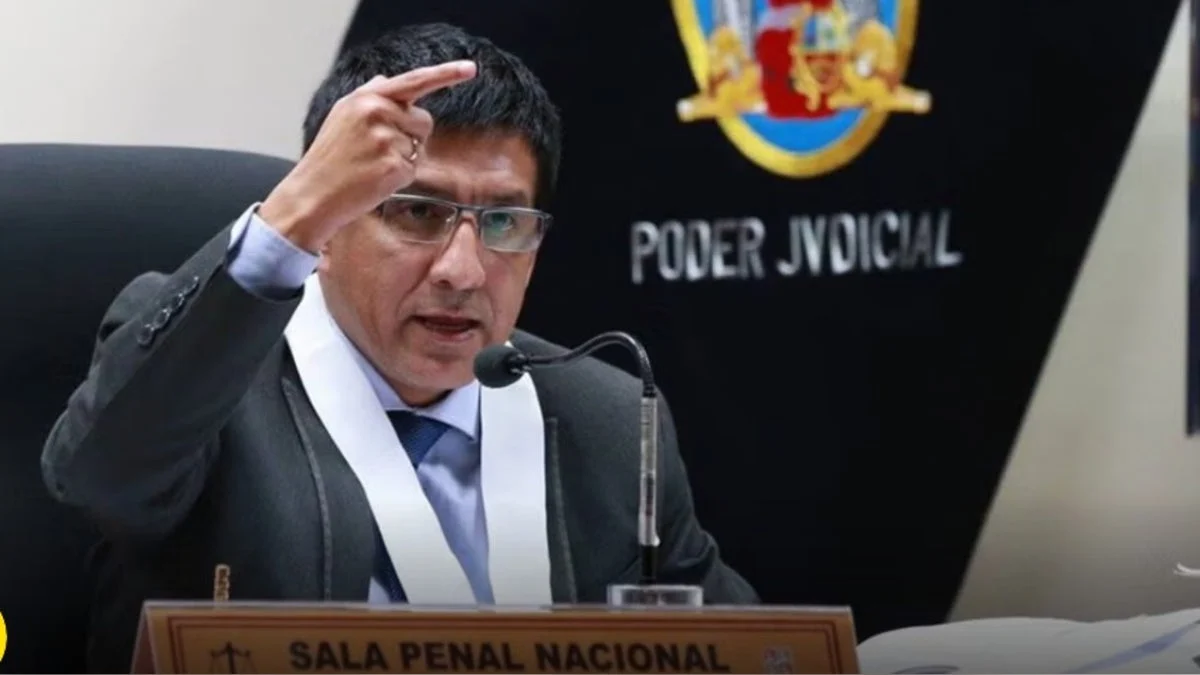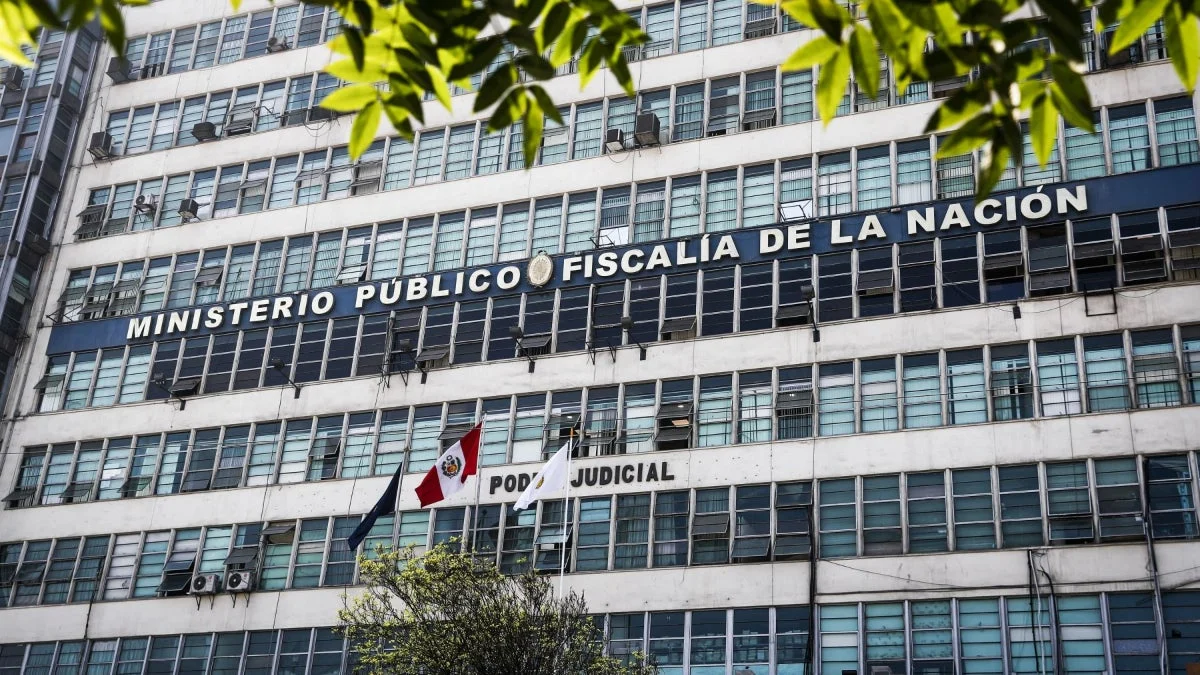
The Peruvian judicial system faces a reckoning as the Office of the Prosecutor General (Ministerio Público) moves forward with a high-stakes trial against a former heavyweight of the judiciary. Daniel Adriano Peirano Sánchez, who presided over the Superior Court of Justice of Callao between 2011 and 2012, is now the central figure in a prosecution seeking a 16-year prison sentence. This case, characterized by authorities as a textbook example of "grave judicial corruption," sheds light on a dark chapter where the gavel was reportedly traded for political and personal stability.
Main Facts: The Allegations Against Daniel Peirano
The trial, which officially commenced on September 22, represents a critical juncture in the ongoing efforts to sanitize the Peruvian judiciary. The prosecution, led by Supreme Prosecutor Jorge Bernal Cavero, has presented a damning narrative: during his tenure as president of the Callao Court, Peirano allegedly orchestrated a scheme where the administration of justice was commodified.
At the heart of the indictment is the "Fundo Oquendo" case. Prosecutors allege that Peirano exercised improper influence over a sensitive eviction proceeding involving these lands, manipulating judicial outcomes to satisfy private interests. The strategy, according to the Fiscalía, was a quid pro quo: judges who complied with Peirano’s directives were granted job stability and career protection, while those who defied him faced systemic professional repercussions.
The prosecution has explicitly labeled this behavior as a system of "labor stability in the judiciary in exchange for rulings on demand." This mechanism effectively turned the Superior Court of Callao into an instrument for private gain rather than a pillar of public justice. Along with Peirano, former judges Kelly Ocampo Preciado and Vilma Núñez Román are facing trial, with the prosecution requesting nine-year prison sentences for each.
Chronology of the Judicial Crisis
To understand the weight of the current trial, one must look at the timeline of events that brought the Callao judiciary into the spotlight:
- 2011–2012: The period of Daniel Peirano Sánchez’s presidency at the Superior Court of Justice of Callao. This era is now defined by the prosecution as the window of systemic corruption where "resolutions by order" became a standard operating procedure.
- The Investigative Phase: Following various reports and internal probes into the judicial apparatus, the Ministerio Público gathered evidence linking the former president to the irregular handling of the Fundo Oquendo eviction case.
- September 22, 2024: The commencement of the oral trial. Supreme Prosecutor Jorge Bernal Cavero formally presented the state’s case, emphasizing the gravity of the charges, which include specific active and passive bribery (cohecho activo y pasivo específico).
- Ongoing Proceedings: The trial is currently in the evidentiary stage, where the prosecution aims to present documentation, testimonies, and financial records to prove that Peirano and his co-defendants systematically abused their power.
Supporting Data and Evidence: The Mechanics of Corruption
The prosecution’s case is built on the premise that the corruption was not an isolated incident, but a structural abuse of power. The evidence brought forward seeks to demonstrate three distinct layers of wrongdoing:
1. The Manipulation of Judicial Independence
The core of the prosecution’s argument rests on the "mercantilization of the administration of justice." By controlling the appointments and career paths of subordinate judges, Peirano allegedly created a culture of fear and compliance. The evidence suggests that rulings were not determined by the merit of the law, but by the directives handed down from the presidency of the court.
2. The Fundo Oquendo Dispute
The Fundo Oquendo case serves as the primary example of this corruption in action. Prosecutors argue that the eviction process was high-value, involving significant real estate interests. By intervening in this specific case, Peirano is alleged to have bypassed judicial protocols, ensuring that the decision favored specific actors, thereby violating his oath of office and the integrity of the judicial process.
3. Cohecho Específico (Bribery)
The charges of specific active and passive bribery involve the direct exchange of benefits. The prosecution claims that the "benefits" in question were not merely monetary, but professional. By securing the positions of judges like Ocampo Preciado and Núñez Román, Peirano ensured that his influence could permeate various chambers of the court, creating a feedback loop of corruption that shielded all involved from oversight.
Official Responses and the Prosecutor’s Stance
During the opening of the oral trial, Supreme Prosecutor Jorge Bernal Cavero delivered a stinging indictment of the accused. His statement was not merely a summary of charges but a declaration of intent for the state:
"At the end of this oral trial, the evidence we will act upon will forcefully demonstrate the criminal responsibility of the accused. In this way, the Public Ministry will request the issuance of a conviction, restoring the dignity of the judicial function and punishing with the full weight of the law the commercialization of the administration of justice."
This rhetoric reflects a broader institutional effort by the Ministerio Público to regain public trust. In a country where the judiciary has often been perceived as susceptible to political and economic pressure, the Peirano case is being treated as a symbolic trial. The Prosecutor’s Office has made it clear that they intend to use this case to establish a precedent, signaling that high-ranking judicial officials are not immune to the consequences of their actions.
Implications for the Peruvian Judiciary
The implications of the Peirano case extend far beyond the courtroom in Lima. If the prosecution succeeds, it will be a milestone in the battle against judicial corruption in Peru.
Strengthening Institutional Integrity
The case serves as a warning to sitting judges and court administrators. The message is clear: the misuse of administrative power to influence rulings will be treated with the same severity as direct bribery. This trial is part of a larger cleanup operation within the Peruvian justice system, which has been plagued by scandals such as the "Cuellos Blancos del Puerto," which also centered on systemic corruption in the Callao judicial district.
Rebuilding Public Confidence
Public perception of the judiciary in Peru has remained historically low. Scandals involving the exchange of favors for sentences have left the citizenry skeptical of the legal process. By pursuing a high-profile figure like Peirano, the Ministerio Público is attempting to demonstrate that no one is above the law. The outcome of this trial will be a bellwether for the public’s willingness to believe in the reformability of their institutions.
The Legal Precedent
The categorization of the crime as "labor stability for judicial rulings" provides a unique legal framework for future investigations. If the court upholds this interpretation, it will create a new legal benchmark, making it easier for prosecutors to pursue similar "mafia-style" structures within public institutions. It defines corruption not just as a single illegal act, but as an organized, systemic distortion of bureaucratic and judicial functions.
Conclusion
As the trial of Daniel Peirano Sánchez unfolds, the Peruvian legal community and the general public remain focused on the outcome. The 16-year prison request is indicative of the seriousness with which the state views these crimes.
This case is more than a trial of an individual; it is a trial of a systemic failure that occurred within the halls of the Callao Court. As the prosecution prepares to present its final evidentiary pieces, the trial stands as a stark reminder of the fragile balance between judicial independence and the ever-present threat of influence peddling. Whether this will lead to a lasting transformation of the judiciary remains to be seen, but for now, the wheels of justice are turning toward accountability. The final verdict will not only decide the fate of a former judge but will serve as a critical indicator of the health and future direction of Peru’s judicial institutions.