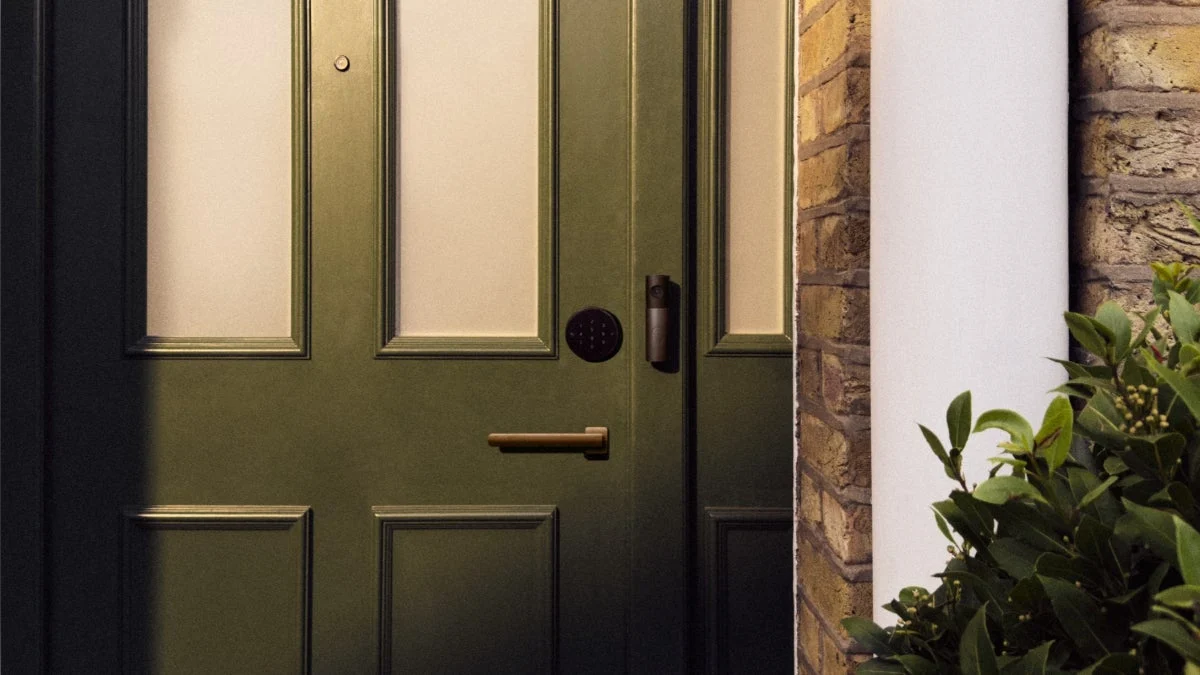
In a strategic move that signals a paradigm shift for the smart home industry, Apple has officially unveiled the "Apple Home Collection." This inaugural line of proprietary smart home accessories marks the tech giant’s first major foray into hardware specifically designed to unify home security, access control, and climate management under a single, seamless ecosystem. By collaborating with industry titans LG Electronics and Schneider Electric, Apple is positioning itself to dominate the living space with a philosophy centered on privacy, minimalism, and the radical elimination of third-party friction.
Core Pillars: The Foundation of the Apple Home Collection
The Apple Home Collection is not merely a product launch; it is a declaration of intent. For years, the smart home market has been fragmented, plagued by "app fatigue" where users are forced to juggle dozens of proprietary applications to manage their lights, locks, and thermostats. Apple’s solution, co-developed with its partners, promises a native experience. Every device in the new collection is designed to be configured with a single tap on an iPhone, bypassing the need for third-party software or external account creation.
The aesthetic of the collection adheres strictly to Apple’s signature minimalist design language, utilizing premium materials that bridge the gap between high-end consumer technology and interior home decor. However, the most significant "feature" of this collection is its underlying architecture. Every data point—from video feeds to climate usage patterns—is protected by end-to-end encryption. Apple has explicitly stated that neither the company nor its manufacturing partners, LG and Schneider, can access user data or private recordings, reinforcing Apple’s long-standing marketing pillar: privacy as a fundamental human right.
Chronology of Development: From Rumor to Reality
The journey toward the Apple Home Collection has been a long-gestating project within the halls of Cupertino.
- 2023–2024 (The Foundation): Apple invested heavily in the refinement of the "Matter" protocol, working to ensure that its existing ecosystem was interoperable with other brands. However, internal discussions shifted toward the necessity of an "Apple-branded" hardware suite to ensure a "perfect" user experience that third-party devices often failed to deliver.
- Early 2025 (The Partnerships): Behind closed doors, Apple entered into strategic manufacturing alliances. LG Electronics was selected for its expertise in optical sensors and mechanical hardware, while Schneider Electric was brought on board for its industry-leading energy management and thermal regulation technology.
- Mid-2026 (The Testing Phase): Small-scale pilots were conducted in residential complexes in Silicon Valley, focusing on the seamless handshake between the Apple TV 4K/HomePod ecosystem and the new hardware.
- October 2026 (The Official Announcement): Apple held a keynote-adjacent press briefing confirming the launch of the line, complete with a December 2026 retail rollout schedule.
The Technical Portfolio: Monitoring, Access, and Climate
The initial catalog of the Apple Home Collection is categorized into three primary functional domains, each designed to integrate natively into the Apple ecosystem.
Advanced Home Monitoring
The standout in this category is the LG Video Doorbell Wired. Moving beyond traditional single-lens doorbells, this device features a dual-camera system. A primary high-resolution camera captures the visitor, while a dedicated downward-facing lens is specifically calibrated to monitor package deliveries—a direct response to the rising concerns over "porch piracy."
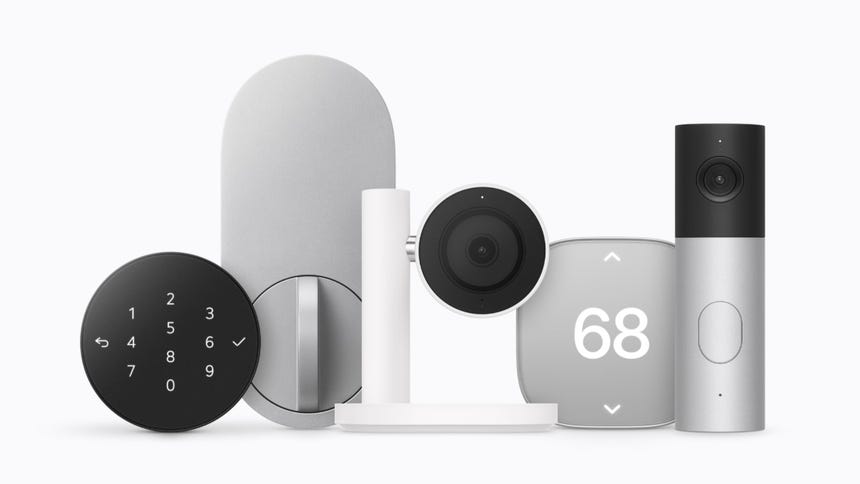
Complementing this is the Smart Interior Camera, which features a motorized privacy shield. The device is programmed to detect the presence of authorized residents via their iPhones and will automatically physically obscure the lens, ensuring that privacy is maintained when the owner is home. The exterior camera lineup also includes adaptive lighting, which adjusts color temperature based on the time of day, acting as both a security deterrent and an ambient outdoor lighting solution.
Intelligent Access Control
The LG Smart Deadbolt Lock represents a breakthrough in secure home entry. Utilizing Ultra-Wideband (UWB) technology, the lock detects the precise location of the user’s iPhone as they approach the door. This allows for a completely hands-free entry experience, eliminating the need to search for keys or even unlock the phone screen. The system is designed to lock automatically upon the user’s departure, providing a failsafe against accidental security lapses.
Climate and Energy Management
Climate control is handled through the LG Smart Thermostat and the Schneider Home Smart Thermostat. These units go beyond simple temperature regulation; they are designed to interface with independent room sensors that monitor occupancy. By learning the daily routines of the inhabitants, the system can prioritize heating or cooling in occupied rooms, significantly reducing energy consumption. This data is processed locally on the device or the Home Hub, ensuring that energy usage patterns remain private.
Supporting Data and Market Implications
The launch of this collection arrives at a critical juncture in the home automation market. According to recent market analysis, the primary barrier to the adoption of smart home technology remains "complexity and security anxiety." By removing third-party applications and centralizing the interface, Apple is targeting the mass market rather than just the tech-enthusiast demographic.
The decision to require a Home Hub (such as the Apple TV 4K, HomePod, or the newly announced Apple HomeView) is a tactical move to cement the central role of Apple hardware in the home. It ensures that the ecosystem remains closed and high-performing, as the Hub acts as the local processing node for all automated tasks.
Furthermore, the partnership with ADT for professional installation in the United States serves as a critical bridge. Recognizing that many consumers are intimidated by the physical installation of smart locks and wired cameras, the inclusion of a trusted security service provider mitigates the friction of entry, likely accelerating the adoption rate among older demographics and non-tech-savvy homeowners.
Official Responses and Industry Outlook
In the wake of the announcement, industry analysts have been divided. While some praise the "Apple-fication" of the smart home, others worry about the potential for a "walled garden" that discourages competition.
"Apple is doing what they have always done: taking a fragmented, messy market and imposing a sense of order," said a lead analyst at a prominent tech consulting firm. "However, by locking the ecosystem down, they are forcing consumers into a binary choice: join the Apple ecosystem or look elsewhere. It will be fascinating to see how competitors like Google and Amazon respond."
Apple’s official stance, as communicated by a spokesperson, is that the collection is designed to provide "peace of mind." "We are not just selling hardware; we are selling a promise that your home is yours, and yours alone. By controlling the stack from the sensor to the software, we can guarantee a level of privacy that the industry has struggled to achieve thus far."
Implications for the Global Market
For now, the reach of the Apple Home Collection is limited. The primary rollout in December 2026 will be restricted to the United States and Canada, with the LG-manufactured camera suite arriving in the United Kingdom shortly thereafter.
The absence of a roadmap for Latin America, including markets like Peru, highlights the logistical challenges Apple faces in internationalizing its professional installation partnerships. As the company refines its supply chain and expands its network of certified installers, it is expected that the global footprint will grow. However, for international users, the wait continues.
The implication is clear: Apple is moving toward a future where the home is no longer a collection of disparate gadgets, but an extension of the iPhone itself. If the Apple Home Collection succeeds, the standard for the "smart home" will no longer be how many features a device has, but how seamlessly and securely it disappears into the background of the user’s life. As 2027 approaches, the industry watches with bated breath to see if the "Apple Home" can truly deliver on the promise of a smarter, safer, and simpler domestic life.