Executive Summary: A Multi-Million Dollar Preemptive Strike
In a strategic move to safeguard the agricultural stability of the Lima region against the looming threat of the 2026-2027 El Niño phenomenon, the Ministry of Agrarian Development and Irrigation (MIDAGRI), through its specialized program Agro Rural, has mobilized a comprehensive intervention plan. This initiative targets 49 critical points across various provinces, with a financial commitment exceeding S/ 29 million.
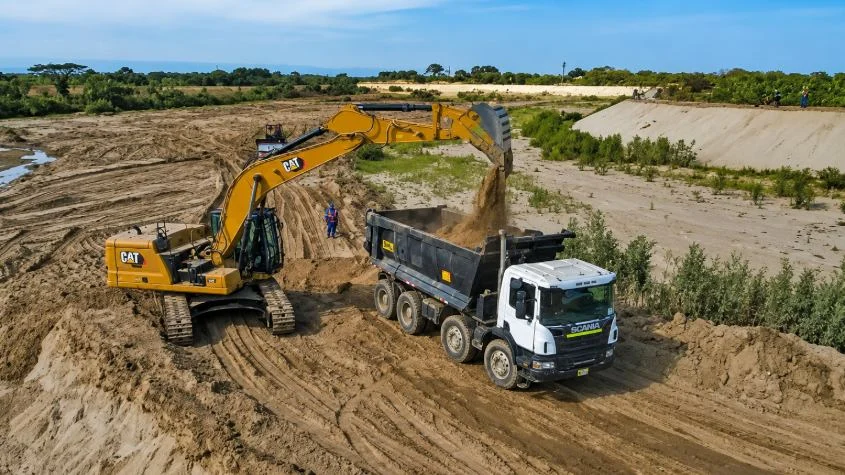
The primary objective is the mitigation of flood risks and the prevention of river overflows that historically devastate local farming communities. By focusing on essential engineering tasks such as the cleaning, desilting, and embankment reinforcement of 44 kilometers of riverbeds and ravines, the government aims to secure the livelihoods of nearly 2,000 families. This project represents a shift in paradigm from reactive emergency response to proactive disaster risk reduction, ensuring that the critical infrastructure of the region is prepared before the onset of the peak rainy season.
The Strategic Scope: Protecting the Agricultural Lifeline
The intervention is not merely a localized effort but a regional defense strategy spanning the diverse geography of Lima. The project, backed by an investment of S/ 29,308,989.00, is designed to shield 791 hectares of productive farmland.
Key Geographical Focus
The technical teams are working across a vast network of water channels. Key areas identified for immediate intervention include:
- The Supe, Chillón, and Huaral river basins: These areas are vital for the supply of fresh produce to the metropolitan area of Lima.
- The Gorgor Ravine: A historically volatile area during high-precipitation events.
- Provincial Coverage: Beyond the major basins, work is underway in Canta, Cajatambo, Barranca, Oyón, Huarochirí, and Yauyos.
These regions were selected based on historical data indicating high vulnerability to erosion and overflow. By clearing debris and sediment that has accumulated over years, the ministry is essentially increasing the hydraulic capacity of these natural channels, allowing them to handle increased water volume without breaching their banks.

Chronology of Operations: From Planning to Execution
The execution of these works follows a strict timeline aligned with the seasonal calendar to ensure maximum efficacy before the heavy rains arrive.
Phase 1: Verification and Initial Completion (September – October 2026)
The initial focus centered on the Macas I and Macas II sectors in Santa Rosa de Quives, Canta.
- Late September 2026: The Macas II sector reached 100% completion.
- Early October 2026: The Macas I sector saw the successful conclusion of works.
- Technical Achievement: These combined efforts involved the clearing of 1,730 meters of riverbed and the construction of 3,460 meters of reinforced embankments along both sides of the Chillón River.
Phase 2: Ongoing and Expansion Projects (October 2026 – Present)
Building on the success of the Macas sites, the director of Agro Rural, Oscar Olivera Cusilayme, has overseen the launch of two additional, large-scale service contracts:
- Northern Province Initiative: A S/ 14.09 million project covering Canta, Barranca, Cajatambo, and Oyón, with a 45-day execution window.
- Central and Southern Province Initiative: Focused on critical spots such as Autisha, Pongo (Huachupampa), Tambo de Viso (San Mateo), and Corcona (Santa Cruz de Cocachacra). This project, budgeted at S/ 5.84 million, is slated for a 30-day completion cycle.
Data-Driven Impact and Supporting Statistics
The success of this endeavor is measured not just in concrete and cleared earth, but in human impact and economic preservation.
| Metric | Estimated Impact |
|---|---|
| Total Investment | S/ 29,308,989.00 |
| Total Families Benefited | 1,874 |
| Total Agricultural Area Protected | 791 Hectares |
| Total Length of Intervention | 44 Kilometers |
| Primary Crop Protection | Vegetables (Cabbage, Broccoli), Corn |
The focus on smallholder farmers—who constitute the backbone of the region’s food security—is deliberate. By protecting 100 hectares in the Macas area alone, the project guarantees that at least 50 local families can continue their production cycles without the catastrophic interruption of flood-related crop loss.

Official Perspective: Leadership and Accountability
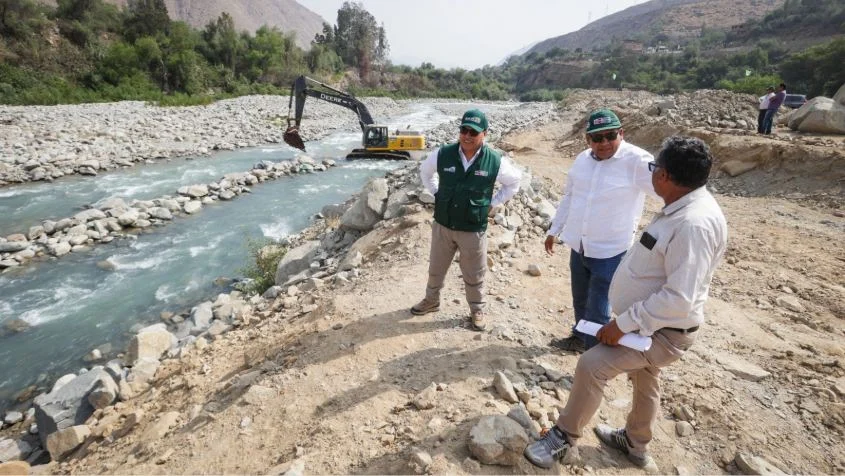
During his field inspections, Oscar Olivera Cusilayme emphasized the importance of transparency and speed. "This is the best evidence that we are acting and giving a response in an effective manner, before the emergency arrives," stated the director.
He noted that the institutional mandate is to expand this presence progressively. The strategy is to prioritize locations where the "means of life"—the agricultural capital—is at the greatest risk of being swept away by mudslides or overflowing currents. By addressing the physical bottlenecks in the riverbeds, Agro Rural is reducing the sediment load that often leads to infrastructure failure during extreme weather events.
Implications: A Sustainable Future for Lima’s Producers
The intervention is grounded in the legal framework provided by Decree Supreme N° 164-2026-EF, which empowers the government to mobilize resources for disaster prevention. The broader implications of this work are significant:
1. Enhanced Hydraulic Capacity
The removal of accumulated sediments (descolmatación) is not merely a cleaning task; it is an engineering necessity. When channels become clogged, the velocity of the water increases, causing more severe bank erosion. By restoring the natural, wider profile of the riverbeds, the speed of the water is regulated, significantly lowering the pressure on nearby farmlands.
2. Economic Resilience
For the farmers of Lima, the threat of El Niño is an existential risk. A single flood can wipe out a season’s investment in seeds, fertilizer, and labor. By providing this "infrastructure shield," the government is stabilizing the local economy, preventing the price spikes that typically occur when local vegetable supplies are destroyed by natural disasters.

3. Long-term Disaster Risk Management
This project signifies a move away from "emergency kits" and towards structural resilience. While it is impossible to control the weather, it is possible to prepare the landscape to absorb the impact. The focus on embankments (encimado de bordos) creates a physical barrier that serves as the first line of defense for rural settlements.
4. Policy Continuity
The fact that this initiative is fully funded and currently in the middle of execution phases suggests that the administration has made climate-resilient agriculture a top-tier priority. The continued monitoring of these sites will be critical as the 2026-2027 season progresses, but the foundation laid in the last two months provides a robust buffer against the impending seasonal volatility.
In conclusion, the effort by MIDAGRI and Agro Rural serves as a model for regional climate adaptation. By combining significant fiscal investment with precise, geographically targeted engineering, the program provides a blueprint for how a nation can proactively protect its food supply against the accelerating challenges posed by global climate patterns. The farmers of Lima can now face the upcoming rainy season with a heightened sense of security, knowing that their fields are protected by proactive, science-backed infrastructure work.