Executive Summary: A Strained Legislative Agenda
The legislative landscape in the country faces a critical juncture as the Senate prepares to deliberate on the delegation of legislative powers requested by the Executive branch. Following the Chamber of Deputies’ decision to approve only 20 out of the 66 measures originally proposed by the government, tensions have surfaced regarding the efficacy and scope of the requested reforms.
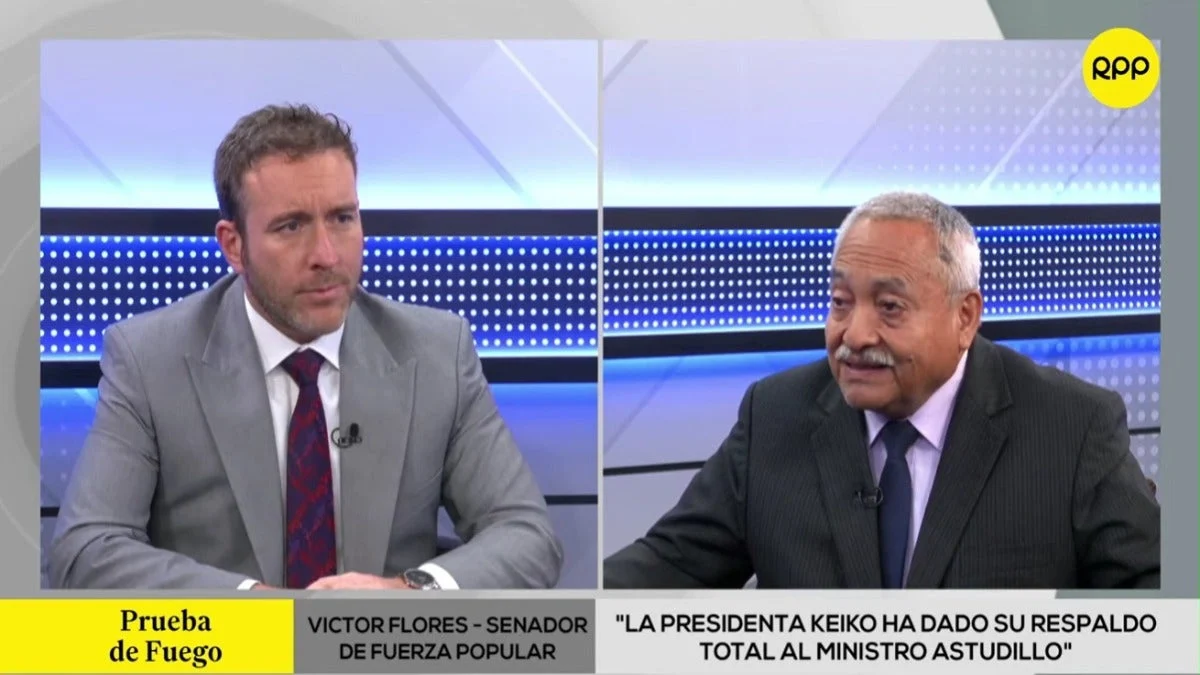
Senator Víctor Flores, representing the Fuerza Popular party, recently addressed these tensions during an appearance on the RPP program Prueba de Fuego. While Flores emphasized the necessity of a "reflective" and "thinking" Senate, he categorically dismissed the possibility of restoring the full 66-point package. Instead, the legislative debate has shifted toward a nuanced middle ground: how to strengthen the government’s hand in addressing national crises without compromising the constitutional role of the upper chamber.
Chronology: The Evolution of the Legislative Request
The current friction stems from a multi-stage legislative process that began with the Executive branch’s ambitious proposal to overhaul key sectors through delegated legislative powers.
- Initial Proposal: The Executive branch introduced a comprehensive package consisting of 66 distinct measures aimed at economic revitalization and security reform.
- Deputies’ Deliberation: The Chamber of Deputies scrutinized the package, expressing skepticism regarding the breadth of the powers requested. Ultimately, they authorized only 20 measures, effectively stripping away nearly 70% of the original proposal.
- Senate Referral: The legislative file was passed to the Senate, which is now tasked with performing its constitutional duty as a revising chamber.
- Public Discourse: As the Senate begins its review, key stakeholders—including Senator Víctor Flores—have taken to media outlets to signal that while the Senate may restore some specific measures, a wholesale reinstatement of the original request is off the table.
The Senate as a "Reflective" Institution
In his interview, Senator Flores underscored the institutional importance of the Senate. "The Senate is a revising chamber; it is reflective and thinking," he stated, characterizing the legislative process not as a rubber-stamp exercise, but as a deliberate safeguard for the democratic order.
Flores clarified that while the Executive’s initial proposal contained several important measures, the legislative body identified specific points of contention—two or three items in particular—that were deemed unsuitable or improperly framed. By limiting the delegation to 20 measures, the Chamber of Deputies exerted its prerogative to check executive overreach.
When directly asked if the Senate would reinstate the discarded 46 measures, Flores was unequivocal: "No, no, in no way." This statement serves as a clear signal to the Executive branch that the Senate’s review will be focused on qualitative refinement rather than quantitative expansion.
Supporting Data and Political Implications
The current debate highlights a fundamental disagreement over what constitutes "governance" versus "legislative encroachment." The criticism leveled by Senator Flores—that approving only 20 out of 66 measures is "very poor"—reflects a growing frustration within segments of the legislature that believe the government’s hands are being unnecessarily tied in the face of national challenges.
Alternative Pathways for Policy
Flores suggested that the Executive branch is not without options. If the Senate does not grant the full extent of the requested powers, the government can leverage other established mechanisms to implement its agenda:
- Urgent Legislative Projects: The Executive can introduce bills with a "character of urgency," forcing a faster legislative debate on specific topics.
- Decrees of Urgency: A more controversial but constitutionally permissible tool that allows the Executive to bypass standard legislative timelines during declared emergencies.
"With or without delegated powers, the government plan will be carried out," Flores asserted, noting that the administration of President Keiko Fujimori has been committed to its platform since the very first day of its mandate.
Addressing Insecurity: The Case for a Unified Command
A significant portion of the legislative agenda is tied to the government’s strategy for tackling the nation’s spiraling insecurity. Senator Flores, who has long been involved in public safety policy, expressed strong support for the creation of a "unified command."
Integrating Intelligence and Enforcement
The proposed unified command seeks to break down the silos that currently exist between the National Police and the various branches of the armed forces. Currently, these entities often operate with disjointed intelligence networks. By centralizing command, the state aims to synchronize efforts, allowing for a more cohesive response to organized crime and domestic instability.
The Case of Trujillo
Flores highlighted the situation in Trujillo, a city that holds a significant place in the national identity. Historically regarded as the "capital of spring," the "capital of the marinera dance," and a hub of cultural development, Trujillo has suffered a precipitous decline in safety standards.
"It is heartbreaking to see what is happening to a city that is so representative of our culture," Flores noted. His concern for the region of La Libertad serves as a microcosm for the broader national sentiment regarding the loss of public order. For the Senator, the unified command is not just a policy preference; it is a structural necessity to reclaim territory currently dominated by criminal elements.
Analyzing the Institutional Standoff
The impasse between the Executive and the Legislative branches is a classic manifestation of the separation of powers. While the Executive argues that the 66-point package is essential to meeting the urgent needs of the country, the Senate’s insistence on "revising" the proposal reflects a desire to maintain institutional checks and balances.
The Constitutional Mandate
The Senate’s role, as defined by the constitution, is to provide a "second look." This process is designed to prevent hasty legislation. By refusing to blindly accept the Executive’s original request, the Senate is fulfilling its mandate, even at the cost of political friction.
The Path Forward
As the legislative session proceeds, the following factors will likely determine the outcome:
- The "Third Way": The Senate is expected to negotiate a compromise that adds back specific, high-priority measures that the Deputies may have omitted, effectively increasing the number of authorized powers slightly without reaching the full 66-point threshold.
- Executive Cooperation: The degree to which the Executive branch is willing to compromise with the Senate will dictate how many of its policy objectives survive the legislative bottleneck.
- Public Pressure: The deteriorating security situation in regions like Trujillo will likely increase pressure on the Senate to act decisively on security-related measures, regardless of their position on the broader economic or administrative components of the request.
Conclusion
The dialogue between Senator Víctor Flores and the broader political establishment illustrates a complex landscape of governance. The Executive branch seeks efficiency and speed; the Senate seeks deliberation and constitutional fidelity. While the rejection of the full 66-point package may seem "poor" to some, it represents a deliberate choice by the legislative branch to ensure that the delegation of powers is handled with the gravity it deserves.
As the country moves forward, the focus will remain on the Senate’s ability to refine the 20 approved measures while potentially incorporating critical items that address the pressing needs of citizens, particularly in the realm of national security. Whether through the success of a unified command or the utilization of alternative legislative tools, the government faces a steep road ahead in implementing its vision. The final version of the legislation will serve as a bellwether for the health of the country’s democratic institutions and the strength of its executive-legislative relationship.
Ultimately, the goal remains the same: to stabilize the nation, restore public safety, and implement a long-term vision that transcends the current legislative standoff. The next few weeks of debate in the Senate will be decisive in shaping the path toward these objectives.