The landscape of electricity distribution in Peru is undergoing a silent, yet profound, revolution. At the heart of this transformation is Luz del Sur, one of the country’s largest power distributors. Led by Mario Gonzales del Carpio, who has served as its chief executive for the past four years, the company is championing a shift toward "smart grids"—a move that promises to redefine the relationship between the utility company and the end consumer.
With a clear mandate to modernize the national electrical infrastructure, Luz del Sur is positioning itself not merely as a provider of electricity, but as an enabler of a decentralized energy future where households transition from passive consumers to active "prosumers."
Main Facts: The Road to Smart Infrastructure
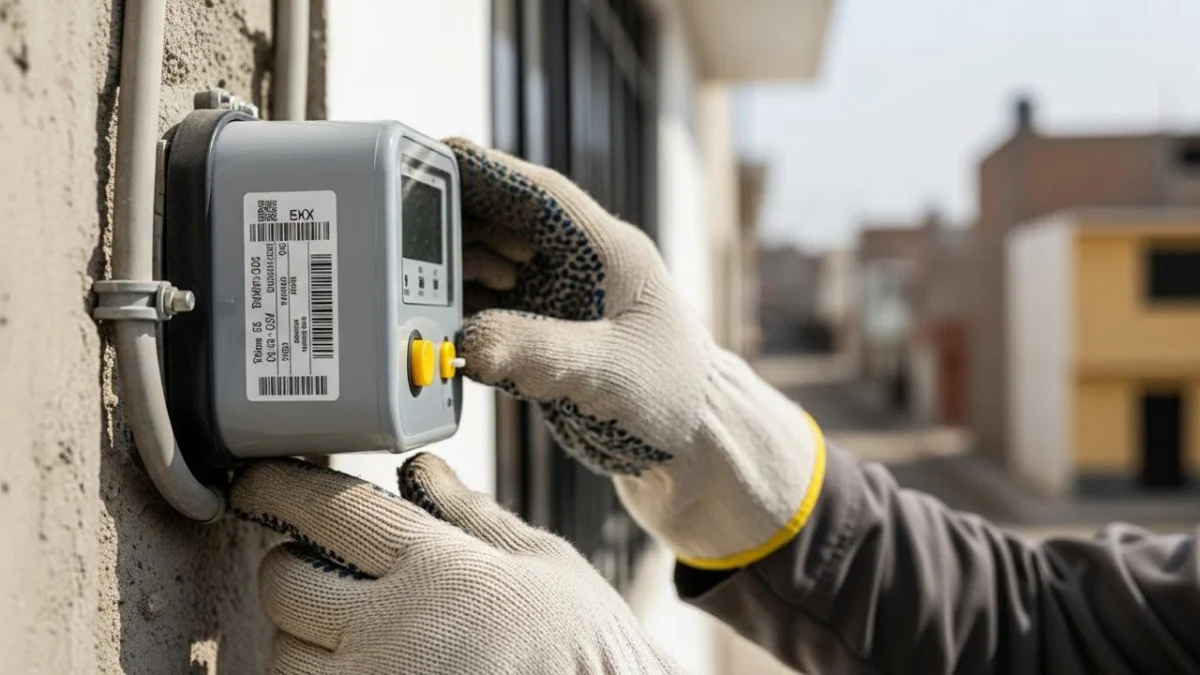
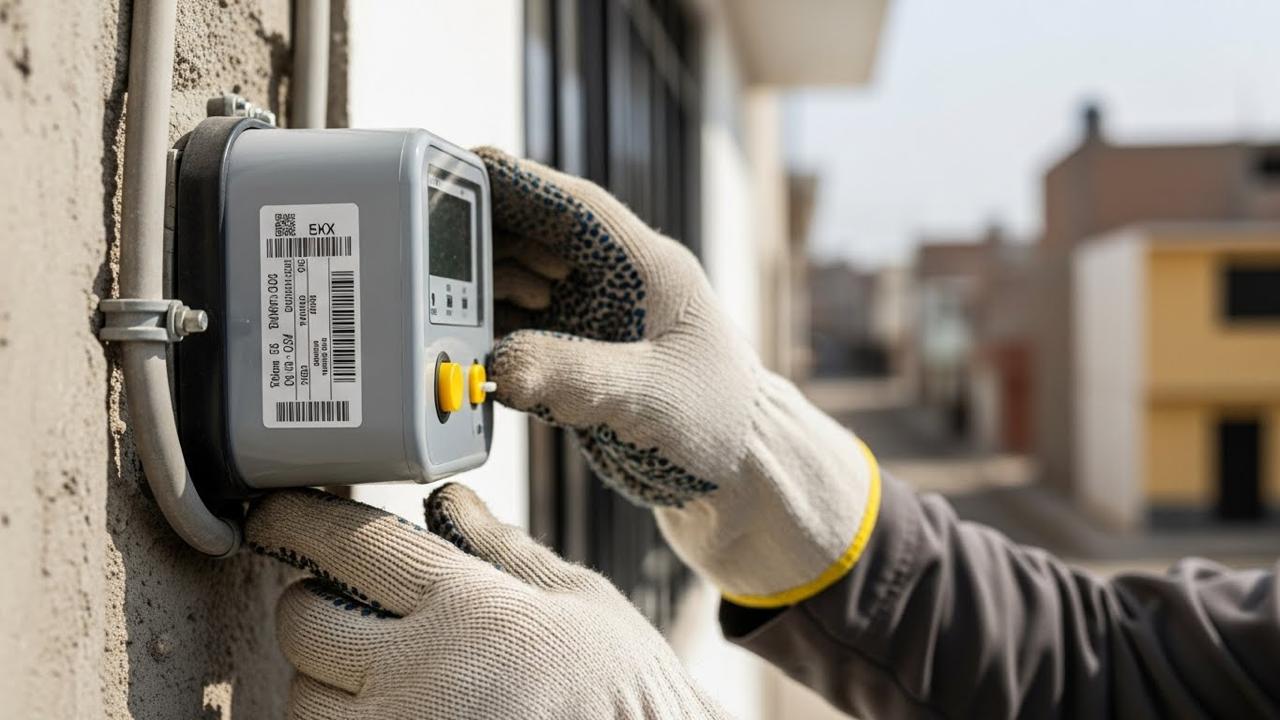
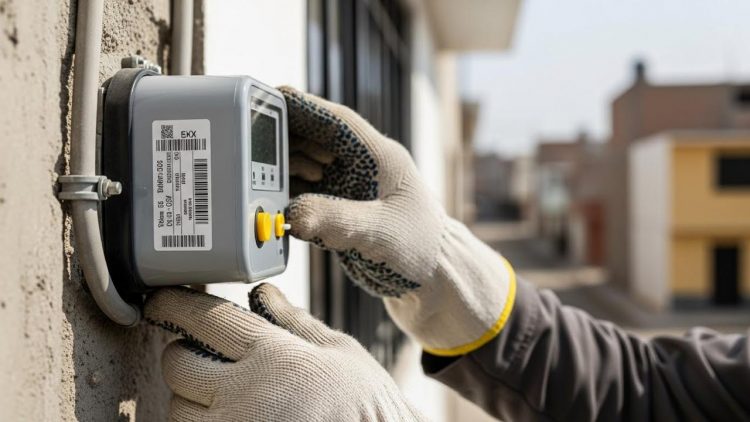
The core of the company’s current strategy is the massive deployment of Smart Metering Infrastructure (SMI). Unlike traditional analog meters, which only measure energy consumption, smart meters provide two-way communication between the utility and the device. This enables real-time monitoring, remote disconnection and reconnection, and, most importantly, the ability to track energy flow in both directions.
Mario Gonzales del Carpio has been vocal about the necessity of this technology. "I do not believe in making distinctions between districts with smart metering and districts without it," he stated recently. His vision is total coverage across the company’s entire concession area. To date, Luz del Sur has successfully installed over 100,000 smart units as part of pilot projects in the regions of Cañete and Lurigancho-Chosica.
The financial commitment is substantial: the company has already invested over US$100 million in these technologies and intends to maintain an annual investment flow of between US$120 million and US$150 million to continue upgrading its network. The goal is to have these investments formally recognized by the regulatory body, Osinergmin, in the upcoming tariff review cycle.
Chronology: A Trajectory of Modernization
To understand the current momentum, one must look at the timeline of regulatory and operational milestones that have shaped the sector:
- 2020–2023: Luz del Sur initiates aggressive pilot programs in Cañete and Lurigancho-Chosica, deploying over 100,000 smart meters to test reliability and network integration.
- April 2026: The Ministry of Energy and Mines (MINEM) issues a pivotal decree establishing technical specifications and technological standards for SMI. This regulation mandates that distributors install digital meters and sets strict parameters for precision, safety, and interoperability.
- 2022–2027: This window represents the critical period established by the government for utilities to replace legacy meters with smart technology, addressing a degree of historical delay in the sector.
- 2027 (Q1): Projected start of construction for the ambitious Santa Teresa II hydroelectric project in Cusco, representing a US$600 million investment.
- 2031: Targeted date for the full operational commencement of Santa Teresa II.
Supporting Data: Efficiency, Sustainability, and Finance
Luz del Sur’s operational data underscores a company in transition. By the end of December 2025, the company reported total revenues of S/4.31 billion, maintaining stability in a volatile economic climate.
Financial Health and Outlook
The company’s fiscal discipline has been noted by international credit agencies. Fitch Ratings recently affirmed a "BBB+" rating with a stable outlook, projecting that the company’s EBITDA for distribution will climb to S/1.3 billion by 2026—a 12% increase over 2025 levels. This robust financial footing is bolstered by a strategic reperfiling of debt, including the issuance of S/1.38 billion in bonds and a US$360 million international capital raise to optimize long-term liabilities.
Electromobility Success
Luz del Sur currently operates the largest electric vehicle (EV) fleet in Peru, with 109 units (accounting for 34% of its total vehicle fleet). These vehicles, featuring models from BYD, JAC, and Geely, have logged over 4.3 million kilometers, preventing the emission of 904 tons of CO2. Operationally, the shift has proven its worth: the cost of electricity per kilometer is roughly one-fifth that of traditional fossil fuels, resulting in a documented savings of S/1.1 million.
Generation Capacity
While the company’s core identity remains in distribution, its generation portfolio is significant. With 400 MW of installed capacity—comprised of 100 MW hydroelectric, 90 MW solar, and the remainder wind (Marcona and Tres Hermanas)—Luz del Sur ensures it can serve its "free market" clients with sustainable power.
Official Responses and Regulatory Hurdles
Despite the technical readiness, the path forward is not without friction. Mario Gonzales del Carpio has pointedly identified the current regulatory framework as the primary barrier to accelerating the transition to smart grids.
"There are standards that must be implemented regarding security, technical specifications, and pricing," Gonzales noted, particularly concerning "distributed generation"—the ability for small-scale users to feed energy back into the grid. He argues that for Peru to harness its full energy potential over the next 5 to 10 years, the regulatory body must create a clear, predictable environment that encourages investment in both smart meters and small-scale renewable generation, such as rooftop solar panels equipped with battery storage.
Regarding the potential risks posed by the El Niño climate phenomenon, the company has adopted a proactive posture. Luz del Sur has identified high-risk electrical infrastructure, specifically in Chosica and Santa Eulalia, where geographic conditions make the grid vulnerable to flooding and landslides. The company has dedicated significant capital—estimated at over S/3 million for high and medium tension lines—to reinforce the system ahead of the rainy season, with ongoing inventory work covering over 500,000 poles.
Implications: The Consumer as a Prosumer
The most far-reaching implication of this technological shift is the changing role of the consumer. In the current model, the smart meter is a tool for utility efficiency: it eliminates the need for manual readings, provides transparency in billing, and allows for faster restoration of service during outages.
However, the long-term vision is much more radical. In regions with high solar irradiation, such as the coastal and valley regions where the company operates, the smart meter serves as the "gateway." It allows households to install solar arrays on their roofs and, through a net-metering system, sell surplus energy back to the grid.
A Promise of Value
Luz del Sur maintains that this massive technological shift will not lead to higher monthly bills for the average household. "The idea is that the client pays the same for the distribution service, but receives better quality," explains Gonzales. The "win" for the company is the reduction of operational overhead associated with manual labor, while the "win" for the customer is a more reliable, transparent, and potentially income-generating utility service.
As Luz del Sur continues to navigate the complexities of regulation, climate resilience, and infrastructure investment, it stands as a bellwether for the Peruvian energy market. By blending financial prudence with a forward-looking technological strategy, the company is preparing the foundation for a grid that is not just efficient, but essential to the country’s transition toward a greener, more decentralized future. The shift from a passive, one-way delivery system to a dynamic, intelligent network is no longer a matter of "if," but of how quickly the regulatory environment can catch up to the technological potential already at our doorstep.