The arrival of the global K-pop phenomenon, BTS, in Lima is poised to be more than just a musical milestone; it is set to become a significant economic catalyst for Peru’s capital. According to projections by the Lima Chamber of Commerce (CCL), the three scheduled concerts—set to take place on October 7, 9, and 10—are expected to inject between S/ 150 million and S/ 200 million into the local economy. This massive influx of capital highlights the transformative power of cultural tourism and the expanding influence of the "Hallyu" (Korean wave) on consumer behavior in Latin America.
Main Facts: A Convergence of Fans and Finance
The sheer scale of the event is unprecedented for the local market. The CCL estimates that approximately 118,000 attendees will congregate at the Estadio San Marcos over the course of the three-day residency. With an average ticket price hovering around S/ 844, the primary revenue from ticket sales alone is estimated at S/ 100 million.
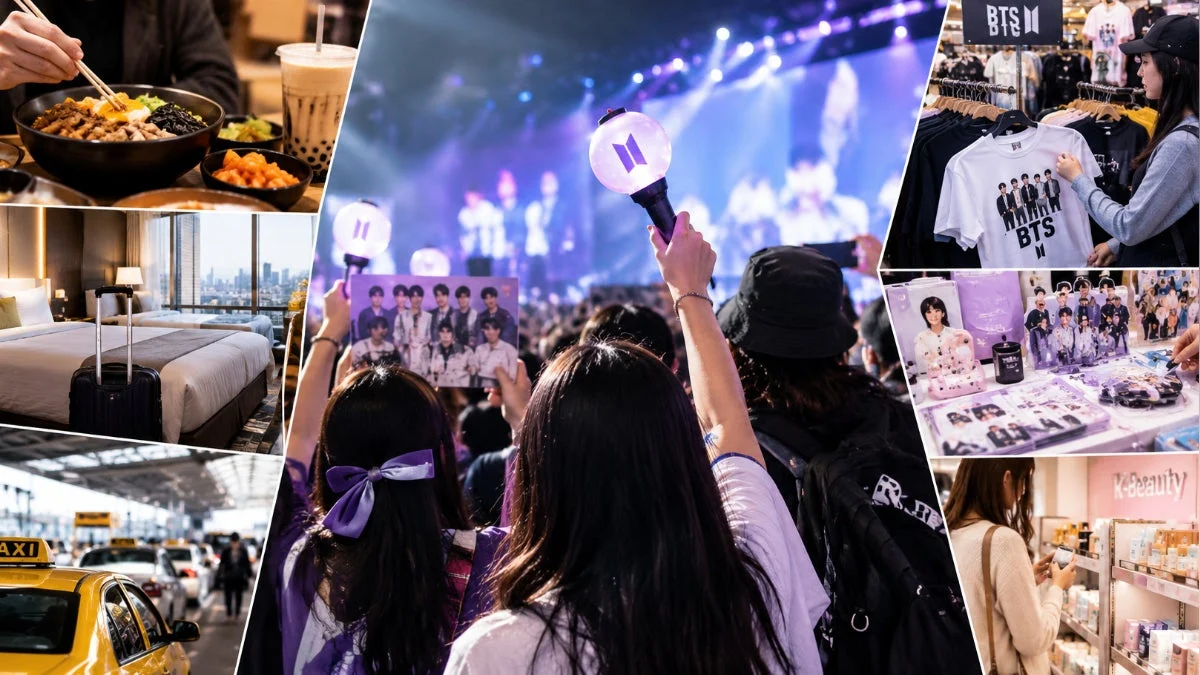
However, the economic ripples extend far beyond the stadium gates. Rodolfo Ojeda, president of the Small Business Guild at the CCL, emphasizes that the concerts serve as a "peak" moment for local micro and small enterprises (mypes). "This is a culture that has been building momentum for years," Ojeda explains. "From K-dramas to K-beauty, the influence of Asian culture is deeply entrenched now. BTS serves as the catalyst that will drive a surge in demand for merchandising, themed services, and hospitality."
The demographic reach is significant. Ticketmaster data indicates that while 94.37% of pre-sale buyers were Peruvian, there is a substantial influx of international fans from Chile, Mexico, and Ecuador, as well as domestic travelers from Arequipa, Cusco, Trujillo, and other major Peruvian regions. This geographic diversity turns a musical concert into a multi-sector economic stimulus.
Chronology of the Hallyu Expansion in Peru
To understand the magnitude of this event, one must look at the evolution of Korean cultural consumption in Peru over the last decade:
- 2010–2015: The Digital Seed. The early adoption of K-pop and K-dramas through social media and streaming platforms created a niche, highly engaged community in Lima.
- 2016–2019: Early Commercial Integration. Small specialized shops began appearing in commercial hubs like Arenales, catering to fans seeking albums and official merchandise.
- 2020–2022: The Pandemic Shift. During lockdowns, digital communities grew exponentially. The "fandom" model solidified, characterized by high brand loyalty and organized, collective spending.
- 2023: The Professionalization of Fandoms. Enterprises began shifting from general retail to hyper-specialized services, such as event planning for fan birthdays and customized packaging.
- October 2024: The Mega-Event. The arrival of BTS marks the maturity of the market, where the economic impact is no longer just "niche" but a significant contributor to Lima’s tertiary sector.
Supporting Data: The Anatomy of Concert Spending
The economic footprint of an event of this magnitude is calculated through the "multiplier effect." While the ticket is the primary cost, the secondary and tertiary spending patterns are what sustain local businesses.
The Breakdown of Consumer Expenditure
- Gastronomy: Restaurants, food trucks, and bubble tea shops near the stadium and in high-traffic zones are preparing for a 300% increase in demand. Establishments offering authentic Korean cuisine are expected to see the highest margins.
- Hospitality: Hotels and Airbnb hosts in districts like San Miguel, Magdalena, and Miraflores are reporting near-full occupancy for the October dates.
- Logistics and Transit: The demand for private transport, app-based ride services, and secure parking facilities is expected to spike, creating a lucrative window for independent drivers.
- Fashion and Retail: Gamarra, the textile hub of Lima, has pivoted production lines to meet the demand for high-quality, fan-themed apparel. This includes custom-designed hoodies, jackets, and accessories that mirror current trends in Seoul.
Promperú, the national tourism board, notes that six out of every ten music fans travel specifically for large-scale concerts. This suggests that the BTS event is effectively "exporting" the Peruvian tourism experience to a demographic that might otherwise not have visited the city, thereby boosting local tourism metrics.
Official Responses and Strategic Perspectives
The Lima Chamber of Commerce has been proactive in advising small businesses on how to capture this demand. The consensus among experts is that the K-pop phenomenon has effectively created a new, sustainable niche.
"For the mype, this is an opportunity to move away from the ‘general store’ model and toward specialized value," says Rodolfo Ojeda. "The fan of today doesn’t just want a shirt; they want an experience. They want a photobooth that matches the aesthetic of the group, or a custom-made gift box. Those who adapt to the aesthetic and service standards of the fandom are the ones who will capture the highest share of this S/ 200 million injection."
Furthermore, trade associations are encouraging businesses in areas like Mesa Redonda to move beyond generic souvenirs. By curating products—such as limited-edition collectibles or fan-made art—these merchants can command higher prices and foster long-term loyalty among the fan base.
Implications: The Long-Term Economic Shift
The "BTS Effect" in Lima provides a blueprint for how cultural events can revitalize urban economies. The implications are three-fold:
1. Diversification of the Retail Sector
The shift toward specialized retail allows small businesses to differentiate themselves from big-box retailers. By focusing on "fandom-based consumption," businesses can build deeper, more reliable relationships with their customers, creating a recurring revenue stream that persists long after the concert concludes.
2. Boosting the Service Economy
The demand for services—ranging from graphic design and social media management for fan-led events to specialized catering—demonstrates that the digital economy and the physical economy are now inextricably linked. The "K-culture" ecosystem requires a wide range of creative talent, providing jobs for local photographers, videographers, and event organizers.
3. Urban Tourism and Regional Connectivity
The arrival of thousands of visitors from both the interior of Peru and abroad underscores the potential of Lima as a regional hub for major international tours. If the logistics of these three concerts are managed successfully, it strengthens the city’s reputation as a reliable host for global acts, which in turn attracts future investment in infrastructure and entertainment.
Conclusion: A New Standard for Events
As Lima prepares for the October surge, the message to small business owners is clear: the opportunity lies in detail and preparation. The integration of technology, the ability to pivot to niche markets, and the capacity to cater to a globalized youth culture are no longer optional. They are the new requirements for success in the modern Peruvian economy.
The BTS concerts are not merely a showcase of musical talent; they are a stress test and a massive opportunity for the resilience and creativity of Lima’s business sector. Whether through a cup of bubble tea, a custom-embroidered jacket, or a hotel stay, the economic footprint of the "Army" (as the BTS fan base is known) is set to leave a lasting impact on the city’s GDP, signaling a new era of cultural-economic integration in Peru.