AZÁNGARO, PUNO – In a significant move to bridge the gap between academic training and regional labor market demands, the Regional Government of Puno (GRP) has officially commenced the construction and comprehensive modernization of the Public Technological Higher Education Institute (IESTP) Muñani. With an investment exceeding S/ 19 million, this infrastructure project is poised to transform the educational landscape of the Azángaro province, providing students in the high-altitude regions with the modern facilities necessary to compete in a rapidly evolving economy.
This initiative represents a strategic pillar in the GRP’s broader mission to decentralize quality technical education. By focusing on specialized agro-industrial and technological training, the government aims to empower the youth of the Altiplano, equipping them with the practical skills required to drive the region’s primary industries forward.
I. Main Facts: A Landmark Investment for Regional Development
The project, which is currently being executed by the Consorcio Muñani, encompasses not just the structural renovation of the institute, but a complete technological and pedagogical overhaul. The S/ 19 million budget is allocated for the design, construction, and outfitting of state-of-the-art facilities that meet modern safety and educational standards.
The core objective is to move beyond traditional, theoretical learning. By creating an environment that mimics real-world work settings—specifically in agriculture, technology, and livestock management—the GRP intends to lower the unemployment rate among recent graduates. By producing a workforce that is "job-ready," the institute will serve as a catalyst for local economic growth, particularly in the agricultural sectors that dominate the Puno region’s GDP.

II. Chronology of the Initiative
The journey toward the modernization of IESTP Muñani has been characterized by meticulous planning and stakeholder engagement:
- Phase 1: Diagnostic and Needs Assessment (Early 2024): Regional authorities identified the decaying infrastructure of existing technological institutes as a bottleneck for human capital development. The Muñani site was prioritized due to its strategic importance to the local agricultural community.
- Phase 2: Feasibility and Budget Approval (Late 2024 – Mid 2025): The GRP finalized the technical documentation and secured the necessary financial allocations. This phase involved intense negotiations with stakeholders to ensure the project met the specific needs of the local student body.
- Phase 3: Tendering and Contract Award (Late 2025): Following a rigorous public bidding process, the project was awarded to the Consorcio Muñani, with a mandate to integrate local labor into the construction phase.
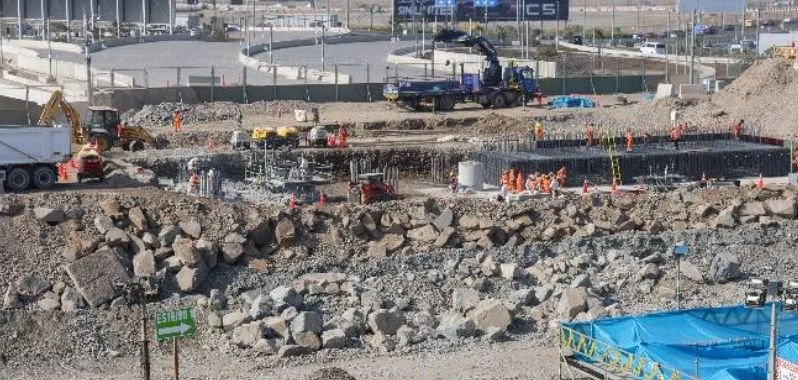
- Phase 4: Official Groundbreaking (October 2026): The formal commencement of works marks the transition from planning to physical reality. The project is expected to proceed in stages, with construction and equipment procurement running in parallel to ensure a timely handover.
III. Supporting Data: Technical Scope and Infrastructure Components
The project’s design is a testament to the shift toward specialized, hands-on learning. The infrastructure components are tailored to the specific needs of the region’s productive sectors:
Pedagogical and Technical Facilities
The architectural plan includes:
- Six Advanced Pedagogical Classrooms: Designed with modern acoustics and integrated digital learning tools to facilitate a dynamic teaching environment.
- Four Specialized Laboratories: These labs are being constructed to support high-level technical research, focusing on materials science, engineering, and digital systems.
- Two High-Capacity Computer Labs: Essential for digital literacy and technical drafting, ensuring students are proficient in modern software and information technology.
- Four Specialized Training Workshops: These areas will be equipped with industrial-grade machinery and tools, allowing for practical, project-based learning.
Agro-Industrial Innovation Hubs
Recognizing the vital importance of the agricultural sector in the Altiplano, the modernization project incorporates unique facilities for sustainable farming:

- Advanced In-house Greenhouses: Enabling research into climate-resilient crop varieties.
- Hydroponic Modules: These will introduce students to water-efficient agricultural techniques, which are becoming increasingly critical due to shifting climate patterns in the Andes.
- Animal Husbandry Zones: Specifically designed to provide hands-on experience in modern livestock management, veterinary care, and animal health, which are crucial for the local economy.
IV. Official Responses and Institutional Vision
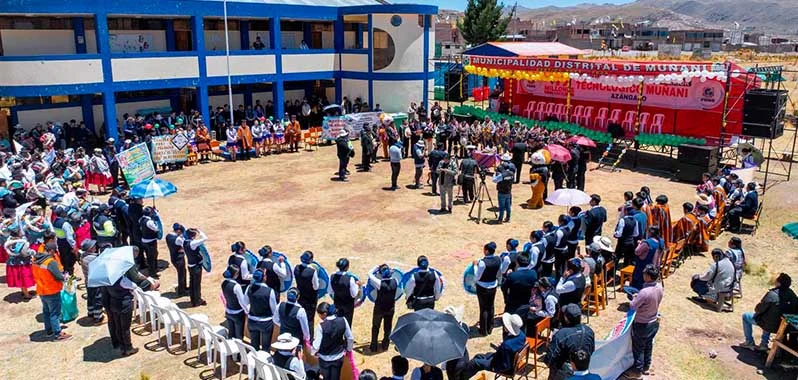
During the groundbreaking ceremony, representatives from the Regional Government of Puno emphasized that this project is not an isolated effort but part of a comprehensive strategy.
"The modernization of IESTP Muñani is a promise kept to the youth of Azángaro," a spokesperson for the GRP stated. "We are not just pouring concrete; we are building the future of the Altiplano. By providing our students with world-class facilities, we are ensuring that they do not have to leave their homes to acquire the skills necessary to lead the development of our region."
The Consorcio Muñani, the contractor in charge, has committed to a "Local First" employment policy. This ensures that the economic impact of the project is felt immediately within the district, providing jobs to local laborers and supporting local suppliers. Furthermore, the contractor has promised strict adherence to environmental regulations, ensuring that the construction process respects the delicate ecosystem of the high-altitude plateau.
In addition to the institute, the GRP highlighted future development plans, including the potential for pre-investment studies for the Ezequiel Urbiola Agroindustrial College and the technical design phases for the improvement of the Muñani District Stadium. These projects reflect a holistic view of community development, where education, sports, and infrastructure work in harmony to elevate the quality of life in rural Puno.

V. Implications: Impact on the Future of Puno
The implications of this investment are far-reaching. By strengthening the technical education sector, the GRP is effectively tackling several systemic challenges:
- Migration Mitigation: Many young people from rural provinces like Azángaro migrate to major cities in search of education and work. By bringing high-quality technological training to Muñani, the GRP is creating an "educational anchor" that encourages youth to remain in their home region.
- Productivity Gains: The integration of hydroponics and modern livestock management systems will likely lead to a "knowledge spillover" effect, where the techniques taught at the institute are adopted by local families, thereby increasing the overall productivity of the regional agricultural sector.
- Economic Diversification: While agriculture remains the backbone of the region, the emphasis on digital skills and technical laboratory work prepares students for careers in emerging sectors, such as renewable energy management and digital services, diversifying the local economic base.
- Social Equity: Providing the same quality of infrastructure in a rural district as one would find in a major metropolitan center is a vital step toward social equity. It ensures that a student in Muñani has an equal footing when entering the professional workforce.
A New Era for Education in the Altiplano
The S/ 19 million investment in IESTP Muñani is a signal of intent from the regional government. It demonstrates a commitment to long-term structural change rather than short-term fixes. As the construction progresses, the eyes of the region will remain fixed on the institute, watching as it transforms from a construction site into a beacon of knowledge.
The successful completion of this project will undoubtedly serve as a blueprint for future infrastructure developments across the Puno region. By prioritizing technical training and agro-industrial development, the GRP is ensuring that the Altiplano is not merely a witness to the nation’s progress, but an active, skilled, and empowered participant in it. As the classrooms and labs begin to take shape, the promise of a more prosperous, technologically adept, and self-sufficient future for the people of Azángaro becomes increasingly tangible.