Introduction: A Remarkable Turnaround in the Andean Capital
In a significant indicator of economic resilience and shifting corporate strategies, Lima has emerged as the frontrunner in the Latin American commercial real estate sector. According to the MarketBeat Latin America Office S1 2026 report, published by the global real estate services firm Cushman & Wakefield, the Peruvian capital recorded an extraordinary 172.7% increase in demand for Class A office spaces during the first half of 2026 compared to the same period in 2025.
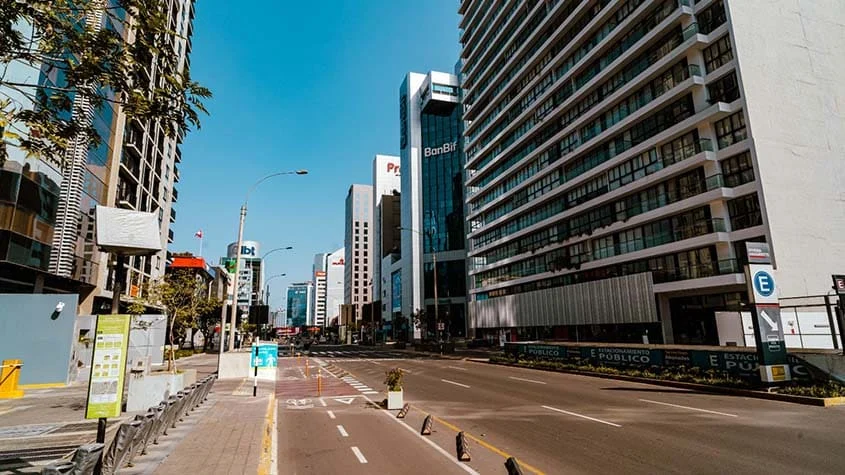
This surge represents more than just a statistical anomaly; it highlights a fundamental transformation in how businesses in the region perceive the role of the physical office. As the regional market experiences a tightening of available premium inventory, Lima stands out as a focal point of intense competition for high-quality workspaces, particularly within the established business corridors of San Isidro.
Main Facts: The Numbers Behind the Growth
The primary driver behind this growth is a convergence of limited new inventory and a robust, sustained appetite from corporations looking to consolidate their operations in prime locations. While the 172.7% figure is impressive, industry analysts emphasize that it must be contextualized within the unique dynamics of the Lima market, which is currently benefiting from a lack of new supply delivered during the first half of the year.
Key Performance Indicators (H1 2026):
- Regional Growth Leader: Lima recorded the highest percentage growth in Class A office demand among the eight major Latin American cities analyzed.
- Vacancy Rates: The vacancy rate in Lima has tightened to 8.6%, placing it among the most supply-constrained markets in the region, alongside Bogotá and Santiago.
- Pricing Trends: The average monthly rental price for Class A office space in Lima reached USD 16.50 per square meter.
- Prime Corridor Dominance: The San Isidro Empresarial district remains the crown jewel of the city, commanding an average rental rate of USD 18.70 per square meter.
Chronology of Market Dynamics: From 2025 to 2026
The trajectory of the Lima office market over the last 18 months has been one of gradual tightening followed by a sharp uptick in demand.
- Early 2025: The market began showing signs of stabilization following the post-pandemic adjustment period. Companies were beginning to solidify their "return-to-office" policies, leading to a steady, albeit modest, absorption of Class A space.
- Late 2025: As the regional economy showed signs of resilience, Lima saw a flurry of corporate leasing activity. However, new construction projects were delayed or stalled, setting the stage for the current supply-demand imbalance.
- First Half 2026: The absence of new project deliveries in Lima created a "bottleneck" effect. With no new buildings entering the market, competition for existing premium spaces intensified, driving the record-breaking 172.7% increase in demand as companies vied for the best available addresses in San Isidro and surrounding business districts.
Supporting Data: A Regional Perspective
The performance of Lima is particularly noteworthy when compared to the broader Latin American landscape, which is currently undergoing a period of "differentiated evolution."

Cushman & Wakefield’s research indicates that while Lima surged, other regional hubs followed different paths. Mexico City maintained the highest absolute volume of activity, reflecting its status as a cornerstone of regional corporate operations. Bogotá also reported significant growth, signaling a recovery in the Andean region. Conversely, Buenos Aires and Santiago experienced a cooling-off phase, adjusting to a more moderate pace of growth following exceptional results in 2025.
This regional variance underscores a critical insight: the corporate real estate market is no longer moving in lockstep with global macroeconomic trends alone. Instead, it is increasingly defined by local regulatory environments, city-specific infrastructure developments, and the specific composition of the local corporate tenant base.
Official Responses and Expert Analysis
Denise Vargas, Market Research Coordinator for Cushman & Wakefield in Peru, provides the definitive perspective on this shift.
"Lima is positioning itself as one of the most stable and dynamic markets in the region," Vargas notes. "The limited delivery of new supply, coupled with a concentration of demand in consolidated districts like San Isidro, has naturally led to a sustained occupation of available spaces. We are seeing a market that is not just growing in volume, but in maturity."
Regarding the regional disparity, Vargas adds: "These differences evidence that the evolution of the sector depends not only on global trends, but to a great extent, on the specific conditions of each market or city. We are witnessing a divergence where local factors—such as the availability of prime land and the speed of permitting processes—are dictating success."

Implications: The Flight to Quality
The current market environment in Lima has deep implications for both tenants and landlords.
For Tenants: The Strategic Imperative
The scarcity of supply means that companies can no longer afford to wait for the "perfect" moment to lease. The flight to quality is in full swing; businesses are prioritizing buildings that offer superior amenities, high sustainability standards, and, crucially, strategic locations that facilitate talent retention. Companies are finding that in a tightening market, securing a lease in a Class A building is a competitive advantage that directly influences their brand perception and operational efficiency.
For Landlords: The Value of Management
For property owners, the current environment is a double-edged sword. While the lower vacancy rates have provided leverage to increase rents, the market is becoming increasingly selective. As Vargas points out, "The regional market is rewarding quality, location, and property management more than ever. For owners, maintaining good occupancy levels will depend on offering well-managed assets that justify their value through services and user experience."
The Future of the Office: Beyond Four Walls
The 2026 report highlights a recurring theme: the "office" is no longer just a space to work; it is an ecosystem. The rising rental prices—which saw an 8.4% interannual increase across Latin America—are being driven by tenants willing to pay a premium for buildings that can provide a "work-life-experience" balance.
As we look toward the second half of 2026 and into 2027, the focus for the Lima market will likely shift toward the rehabilitation of older assets and the potential for new developments to enter the pipeline to meet the sustained demand. If the current trajectory continues, the pressure on rental prices in San Isidro is expected to remain upward, potentially prompting large corporations to look toward emerging business hubs in the periphery of the capital.

Conclusion: A Market of Resilience
Lima’s performance in the first half of 2026 serves as a powerful testament to the city’s role as a vital economic engine in Latin America. By navigating the challenges of supply constraints and shifting labor dynamics with such vigor, the capital has signaled its readiness for a new phase of growth. For investors, developers, and corporate leaders, the message is clear: the demand for premium, well-managed, and strategically located office space in Lima is not merely a temporary trend, but a fundamental shift that will define the city’s commercial landscape for years to come.
As the region continues to evolve, all eyes will remain on Lima to see how it manages this newfound momentum, balancing the need for growth with the necessity of maintaining the quality that has made its Class A office market the envy of its neighbors.