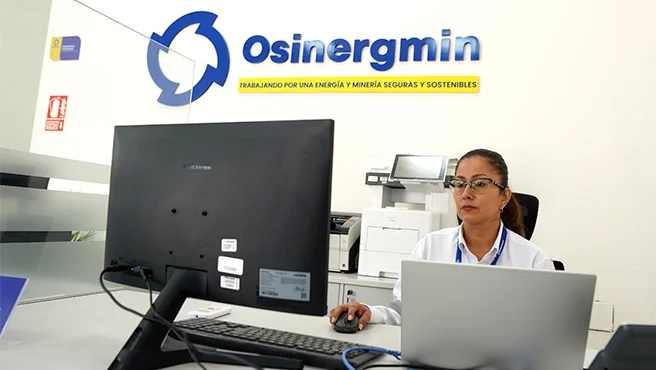
Tumbes, Peru – October 26, 2026 – In a strategic move to enhance its proximity to the public and fortify preventative measures against the anticipated impacts of the El Niño Phenomenon (FEN), Osinergmin, Peru’s energy and mining investment oversight agency, officially inaugurated its new decentralized office in Tumbes. This regional hub, situated in a province particularly vulnerable to intense rainfall and potential flooding, is poised to play a crucial role in ensuring the continuity of essential electricity and fuel services for the local population.
The relocation and inauguration of the Tumbes office underscore Osinergmin’s commitment to a more accessible and responsive approach to citizen concerns and emergency preparedness. The new facility, located at Calle Sánchez Carrión 298, is designed to serve as a vital point of contact for users seeking to lodge inquiries and complaints, receive guidance on electricity and fuel services, and understand the preventative measures being implemented to mitigate risks associated with potential climate-induced emergencies.
Juan De Tomás, the Manager of Osinergmin’s Regional Supervision Division, emphasized the significance of this new operational base during the inauguration ceremony. "We are making this new office available to users to address their queries and complaints, as well as to provide them with guidance on electricity and fuel services," De Tomás stated, highlighting the agency’s dedication to serving the Tumbes region more effectively.
A Proactive Stance Against El Niño’s Fury
The inauguration of the Tumbes office is intrinsically linked to Osinergmin’s broader strategy to confront the challenges posed by the El Niño Phenomenon. Tumbes, with its geographical location and susceptibility to extreme weather events, requires a heightened level of preparedness and oversight. The region has historically faced disruptions to its energy infrastructure due to heavy rains and flooding, impacting households and businesses alike.
De Tomás further elaborated on Osinergmin’s intensified supervisory efforts aimed at ensuring that electricity and fuel companies are adequately prepared to navigate potential emergencies. "We are intensifying our supervisory actions to ensure that energy companies take the necessary measures to reduce risks and respond swiftly in the event of an emergency, thereby minimizing, as much as possible, interruptions to energy services that could affect the population," he explained. This proactive approach signifies a shift towards anticipating and mitigating the consequences of extreme weather events rather than solely reacting to them.
These enhanced supervisory activities are an integral component of Osinergmin’s comprehensive "Plan ante el Fenómeno El Niño" (Plan for the El Niño Phenomenon). This multi-faceted plan, which has been in development and implementation for several months, involves critical actions such as the identification of vulnerable points within the electrical infrastructure and the verification of contingency plans developed by concessionary companies to respond effectively to potential emergencies.
Osinergmin’s commitment to these preventative measures is unwavering. The agency recognizes its pivotal role in safeguarding citizens and contributing to the uninterrupted provision of energy services, which are fundamental to both daily life and the sustained development of secure and sustainable investments within the region and across Peru.
Chronology of Enhanced Preparedness and Service Expansion
The establishment of the new Tumbes office is not an isolated event but rather a culmination of a series of strategic decisions and actions taken by Osinergmin to bolster its presence and operational capacity in vulnerable regions.
-
Early 2026: Recognizing the recurring and escalating threats posed by climate phenomena like El Niño, Osinergmin initiates a comprehensive review of its regional presence and preparedness strategies. This review identifies Tumbes as a priority area requiring enhanced support and closer oversight due to its heightened vulnerability to extreme weather events.
-
Mid-2026: Following the initial assessment, Osinergmin begins the process of identifying a suitable new location for its decentralized office in Tumbes. The criteria for selection prioritize accessibility for citizens, logistical efficiency for supervisory teams, and proximity to critical infrastructure.
-
Late Summer 2026: The new office premises at Calle Sánchez Carrión 298 are secured and undergo necessary renovations and outfitting to meet Osinergmin’s operational requirements. Simultaneously, discussions and collaborations with local authorities and energy providers in Tumbes intensify to align preparedness efforts.
-
Early October 2026: Osinergmin launches an intensified phase of its "Plan ante el Fenómeno El Niño," focusing on proactive site inspections and evaluations of electricity and fuel infrastructure across the Tumbes region. This includes identifying potential weaknesses and ensuring that companies have robust emergency response protocols in place.
-
October 26, 2026: The official inauguration of the new Osinergmin office in Tumbes takes place. The ceremony is attended by Osinergmin officials, local government representatives, and stakeholders from the energy sector. The new office officially opens its doors to the public, commencing its operations of citizen support and regulatory oversight.
-
Ongoing: Following the inauguration, Osinergmin will continue its sustained efforts in monitoring, supervision, and public engagement, ensuring that the Tumbes office remains a vital resource for the community and a key component of Peru’s national El Niño preparedness strategy.
Supporting Data and Regional Vulnerabilities
The decision to strengthen Osinergmin’s presence in Tumbes is underpinned by a clear understanding of the region’s specific vulnerabilities to climate-related events. Tumbes, located in the northern coastal region of Peru, is characterized by its susceptibility to the effects of El Niño, which often manifests as prolonged periods of intense rainfall, leading to widespread flooding, landslides, and potential damage to critical infrastructure.

Key Vulnerabilities of Tumbes to El Niño:
- Intense Rainfall and Flooding: Historically, Tumbes has experienced significant disruptions due to excessive rainfall, causing rivers to overflow and inundate urban and rural areas. This flooding directly threatens electricity substations, transmission lines, and fuel storage facilities, leading to service outages.
- Coastal Erosion and Storm Surges: While less common, severe El Niño events can also bring about stronger storm surges, exacerbating coastal erosion and potentially impacting infrastructure located near the coastline.
- Agricultural Impact and Economic Disruption: Flooding and altered weather patterns can severely impact Tumbes’s agricultural sector, a significant contributor to the regional economy. Disruptions in energy supply further compound these economic challenges.
- Infrastructure Strain: The existing electrical grid and fuel distribution networks in Tumbes may not always be sufficiently resilient to withstand the extreme forces of nature, making them prone to damage during severe weather events.
Data Trends and Projections:
While specific real-time data points for Osinergmin’s operational metrics in Tumbes are proprietary, the agency’s broader mandate and the context of El Niño preparedness provide supporting evidence for its actions. Osinergmin, as the regulatory body, monitors key indicators such as:
- Frequency and Severity of Service Interruptions: Tracking the number and duration of electricity and fuel supply disruptions in Tumbes, particularly during periods of heightened El Niño activity.
- Complaints and Inquiries from Users: Analyzing the volume and nature of citizen feedback received regarding energy services, which often surge during or in anticipation of extreme weather.
- Company Preparedness Audits: Evaluating the compliance of energy concessionaries with Osinergmin’s regulations regarding emergency preparedness, infrastructure maintenance, and contingency planning. This includes reviewing their investments in resilient infrastructure and their capacity to respond to emergencies.
- Vulnerability Assessments: Conducting and utilizing scientific data on potential flooding zones, seismic activity (where relevant), and other environmental risks that could impact energy infrastructure.
The establishment of a more accessible office in Tumbes is a direct response to the need for more immediate and localized data gathering and dissemination. It allows Osinergmin to be on the ground, observing conditions firsthand, gathering on-the-spot information, and responding more efficiently to the evolving needs of the region.
Official Responses and Strategic Objectives
The inauguration of the Tumbes office and the reinforcement of Osinergmin’s preventative measures are driven by a clear set of official responses and strategic objectives aimed at safeguarding Peru’s energy security and protecting its citizens.
Key Official Statements and Objectives:
-
Juan De Tomás, Manager of Osinergmin’s Regional Supervision Division: "We are making this new office available to users to address their queries and complaints, as well as to provide them with guidance on electricity and fuel services. Our primary objective is to ensure that the population of Tumbes has access to reliable energy services, even in the face of adverse climatic conditions. This new office represents a tangible commitment to achieving that goal."
- Objective: Enhance direct citizen engagement and improve the accessibility of Osinergmin’s services for Tumbes residents.
-
Osinergmin’s "Plan ante el Fenómeno El Niño": This overarching plan outlines the agency’s commitment to proactive risk management, infrastructure resilience, and coordinated emergency response. The Tumbes office is a crucial node within this broader strategic framework.
- Objective: Systematically identify and mitigate risks to energy infrastructure posed by El Niño, thereby ensuring service continuity.
-
Emphasis on Regulatory Compliance and Enforcement: Osinergmin consistently reiterates its role in ensuring that energy concessionaries adhere to stringent safety and operational standards, especially during periods of increased risk. The intensified supervision in Tumbes reflects this commitment.
- Objective: Hold energy companies accountable for maintaining robust preparedness and response capabilities, thereby upholding public safety and service reliability.
-
Commitment to Sustainable Development: Beyond immediate emergency response, Osinergmin’s actions are framed within a long-term vision of fostering secure and sustainable energy investments. By demonstrating effective management of climate-related risks, the agency aims to build confidence among investors and contribute to the overall economic stability of regions like Tumbes.
- Objective: Create an environment where energy infrastructure development is both reliable and resilient, supporting the long-term economic growth and well-being of Peruvian communities.
The strategic alignment of Osinergmin’s actions with national disaster preparedness initiatives, coupled with the tangible establishment of new operational centers, signals a robust and coordinated approach to tackling the challenges presented by climate change and extreme weather events.
Implications for the Region and Beyond
The inauguration of Osinergmin’s new decentralized office in Tumbes carries significant implications, not only for the immediate region but also as a model for other vulnerable areas across Peru. This strategic expansion signifies a shift towards a more proactive, localized, and citizen-centric approach to energy sector oversight and disaster preparedness.
Regional Implications for Tumbes:
- Enhanced Citizen Access and Empowerment: Residents of Tumbes will now have a more accessible and direct channel to voice concerns, report issues, and receive crucial information regarding their electricity and fuel services. This increased accessibility can lead to faster resolution of problems and greater public trust in regulatory bodies.
- Improved Emergency Response Coordination: The presence of a dedicated Osinergmin office on the ground facilitates more efficient communication and coordination with local authorities, emergency services, and energy companies during times of crisis. This can lead to quicker deployment of resources and a more effective response to disruptions.
- Strengthened Infrastructure Resilience: The heightened supervisory focus by Osinergmin will incentivize energy companies operating in Tumbes to invest more heavily in strengthening their infrastructure against the impacts of El Niño. This includes reinforcing transmission lines, protecting substations, and ensuring adequate fuel reserves, ultimately leading to a more robust and reliable energy supply.
- Economic Stability: By minimizing disruptions to energy services, the initiative contributes to the economic stability of Tumbes. Reliable electricity and fuel are critical for businesses, agriculture, and essential services, and their continuity during challenging weather periods is vital for preventing economic losses.
Broader Implications for Peru:
- Model for Decentralized Preparedness: The Tumbes initiative serves as a valuable model for Osinergmin and other government agencies seeking to enhance their presence and effectiveness in other vulnerable regions of Peru. It demonstrates the importance of localized operational centers for effective disaster risk management.
- Proactive Risk Management Culture: The emphasis on proactive supervision and preventative measures, as embodied in the "Plan ante el Fenómeno El Niño," fosters a culture of risk awareness and preparedness throughout the energy sector. This shift from reactive to proactive management is crucial in adapting to the growing challenges of climate change.
- Increased Investor Confidence: A demonstrated commitment to managing and mitigating climate-related risks can bolster investor confidence in Peru’s energy sector. Investors are more likely to commit to projects in regions where regulatory bodies are actively working to ensure the resilience and reliability of essential services.
- National Energy Security: By ensuring the continuity of energy services in vulnerable regions, Osinergmin’s actions contribute to the overall energy security of Peru. A resilient national energy system is fundamental to the country’s continued development and the well-being of its citizens.
In conclusion, the inauguration of Osinergmin’s new office in Tumbes is a significant step forward in Peru’s ongoing efforts to build resilience against the impacts of climate change. It underscores a commitment to both the practicalities of emergency preparedness and the fundamental right of citizens to access reliable and secure energy services, even in the face of nature’s most formidable challenges.