By Editorial Staff | Peru Construye
As the northern region of Peru faces the looming threat of seasonal climatic shifts, the Tumbes Regional Government has announced a significant milestone in its proactive defense strategy. With 90% of physical execution completed, the region is nearing the finish line in its comprehensive effort to mitigate the catastrophic impacts often associated with the El Niño phenomenon. This massive mobilization of resources and engineering effort is designed to protect both the local economy and the safety of the population.
Main Facts: A Race Against the Calendar
The strategic plan implemented by the Tumbes Regional Government, led by Governor Avelina Palacios, centers on a multi-pronged approach to civil protection. The 90% progress mark represents not just a logistical success, but a critical buffer against the inevitable heavy rains and flooding that historically devastate the Tumbes river basin.
The core of the initiative involves structural hardening of the territory. This includes:
- Hydraulic Infrastructure: Extensive clearing of drainage channels, the rehabilitation of aging dikes, and the deepening of quebradas (small ravines) to handle high-volume runoff.
- Agricultural Shielding: Targeted interventions in zones like the Pampas de Zarumilla, ensuring that export-grade agricultural lands are not washed away or inundated by overflow.
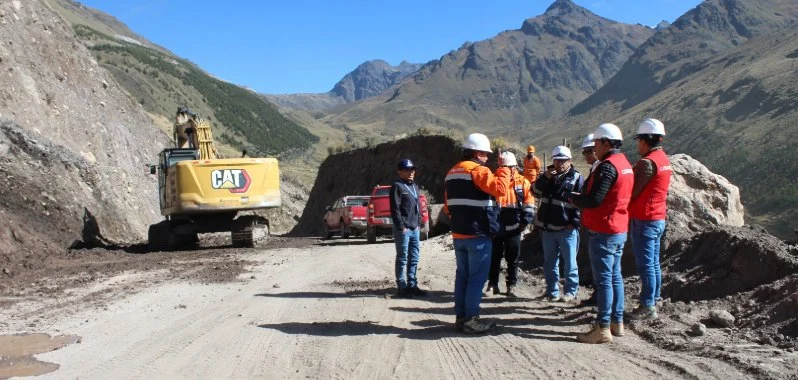
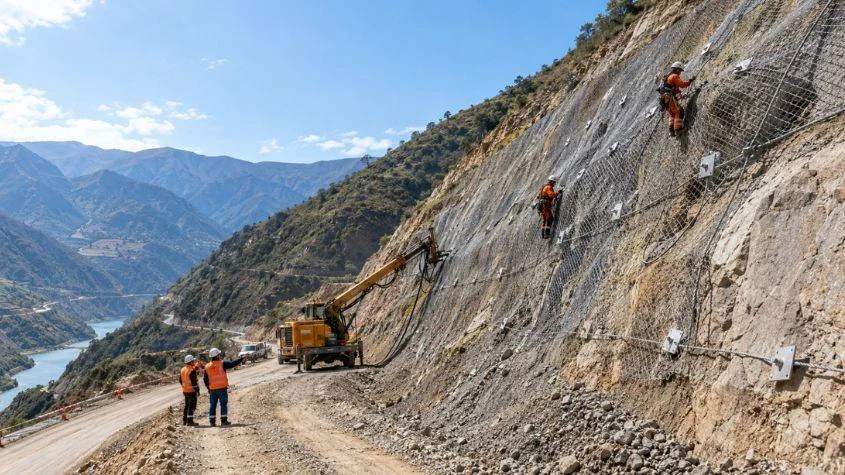
- Road Connectivity: The stabilization and maintenance of vital rural arteries to ensure that no community is left isolated during the peak of the rainy season.
Chronology of Intervention: From Planning to Execution
The path to reaching this 90% completion rate has been characterized by an aggressive timeline, driven by the urgency of meteorological forecasts.

- Initial Phase (Early 2026): Following regional vulnerability assessments, the Government identified the most critical points of failure in the regional drainage system. Priority was given to areas that suffered the most during previous El Niño events.
- Execution Phase (Mid-2026): With the arrival of the dry season, the heavy machinery was deployed. Simultaneous work sites were established across the province to maximize efficiency.
- Operational Integration (Current): The focus has shifted from major structural work to final finishing touches and the inspection of critical control points.
- Future Outlook: The final 10% is slated for completion within the coming weeks, with a focus on clearing secondary tributaries and reinforcing minor levee segments identified during the final walkthroughs.
Supporting Data: Infrastructure and Investment
The scale of the intervention is reflected in the technical data provided by regional authorities. The Government has prioritized the restoration and maintenance of approximately 600 kilometers of road network. This is not merely a paving project; it is a vital lifeline for the region’s logistics, enabling the transport of goods from remote farms to the main hubs of trade.
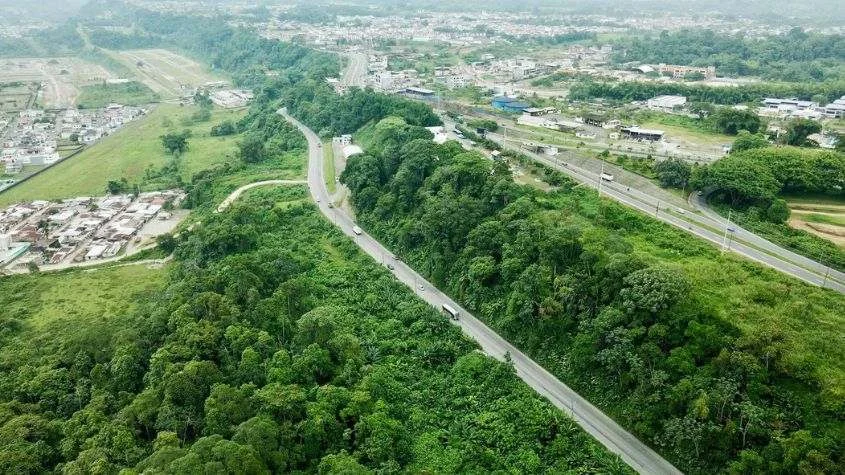
One of the flagship projects within this portfolio is the significant investment in the TU-108 road corridor. Connecting the vital sectors of Huásimo and Cabo Inga, this project alone received an allocation of 15 million soles. The rehabilitation of this route ensures that the economic vitality of these specific sectors remains connected to the national market, regardless of the severity of the weather.
The technical team has emphasized that the design of these works adheres to international standards for hydraulic engineering, ensuring that the clearing of canals and riverbanks maximizes the "flow capacity" of the water, thereby reducing the risk of banks bursting.
Official Responses and Strategic Coordination
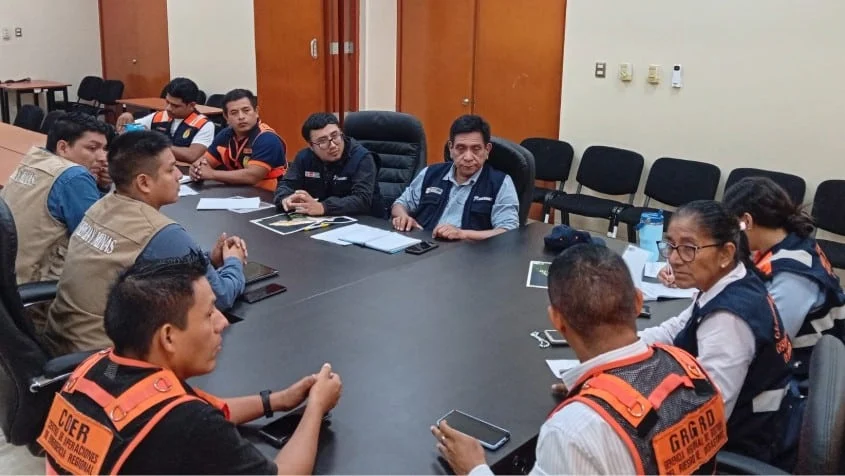
Governor Avelina Palacios has been clear in her messaging: domestic efforts, while impressive, are only one part of a larger equation. In recent statements, she highlighted the critical need for a binational approach to the management of the Tumbes river and its shared borders.
"We have done our part in the regional territory, but the geography does not recognize political borders," Governor Palacios remarked during a recent technical briefing. The focus of this international dialogue is the Canal Internacional de Aguas Verdes. The canal, which serves as a nexus between Peru and Ecuador, requires a synchronized effort for cleaning, dredging, and decontamination.

The Governor emphasized that an uncoordinated approach would be counterproductive; if one side clears its channels while the other remains obstructed, the risk of overflow remains high for both nations. The ongoing negotiations aim to establish a joint task force to regulate the flow of the Tumbes River, ensuring that the protection of the border region is treated as a unified, binational security priority.
The Socio-Economic Implications
The success of these preventive works carries profound implications for the regional economy. Tumbes is a powerhouse of agricultural exports, and its stability is essential for the broader Peruvian economy.
1. Protection of the Agricultural Sector
The Pampas de Zarumilla, a region famous for its high-yield export crops, has been a primary beneficiary of the recent interventions. By fortifying the drainage systems around these fields, the government is essentially providing an "insurance policy" for the farmers. Without these protections, a single intense rainy season could wipe out millions of soles in investment and months of labor.
2. Ensuring Food Security and Logistics
By maintaining 600 kilometers of road, the region prevents the disruption of the food supply chain. During the rainy season, the cost of transport typically spikes as routes become impassable. The current maintenance ensures that farmers can continue to move their produce to domestic and international markets, keeping prices stable and ensuring that the regional economy does not grind to a halt.
3. Mitigating Long-term Displacement
Beyond the numbers, these projects are humanitarian in nature. The primary goal of preventing flooding is to stop the displacement of families. History has shown that when infrastructure fails, the burden falls hardest on the most vulnerable, leading to long-term economic instability and the need for costly emergency aid. By investing in prevention now, the government is drastically reducing the future expenditure that would otherwise be required for post-disaster reconstruction and emergency relief.

The Road Ahead: Monitoring and Sustainability
As the region moves toward the final 10% of completion, the focus is transitioning toward a robust monitoring and maintenance cycle. The Regional Government has signaled that these works are not intended to be a "one-off" intervention. Plans are currently being drafted to establish a permanent maintenance crew tasked with the ongoing clearance of debris from critical waterways, ensuring that the progress made today does not degrade over time due to silting or human activity.
The partnership with national agencies—such as the geological and mining experts who have been assisting in mapping vulnerable terrain—has provided a scientific basis for these decisions. This evidence-based approach is setting a new precedent for regional governance in Peru.
Conclusion
The Tumbes region stands as a testament to the effectiveness of proactive disaster risk management. By achieving 90% completion of its preventive works, the regional government has demonstrated that with clear planning, adequate funding, and international cooperation, the devastating effects of the El Niño phenomenon can be significantly curtailed. As the season of rains approaches, the residents of Tumbes can be cautiously optimistic, knowing that their infrastructure, their livelihoods, and their safety have been at the forefront of the regional government’s agenda.
The success here serves as a model for other regions in Peru. It reinforces the reality that in the face of climate change, the most effective strategy is not just to react to disasters, but to build a landscape capable of weathering the storm before it even begins. As the final 10% of the project concludes, the region looks forward to a season that, while likely to be wet, will no longer be synonymous with crisis.