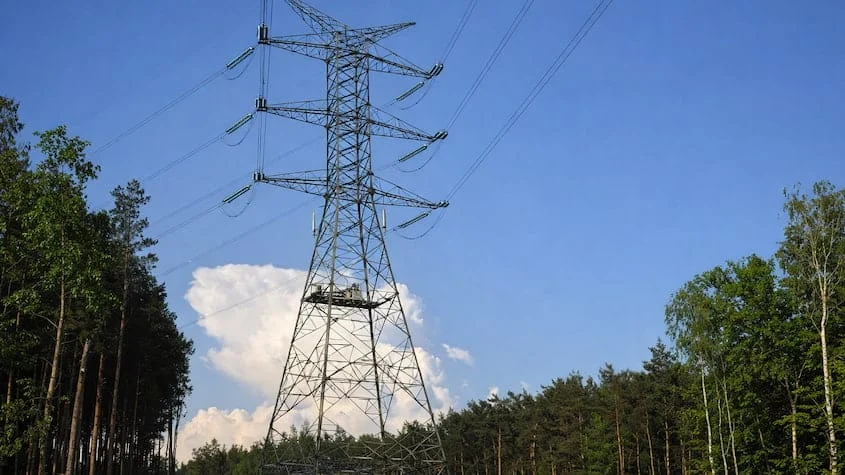
The Ministry of Energy and Mines (MINEM) has officially formalized the launch of four major electrical transmission projects, marking a pivotal step in the expansion and modernization of the Peruvian energy grid. These works, categorized under Group 1 of the 2025-2034 Transmission Plan, are set to benefit over 1.6 million citizens across four key regions.
In a landmark ceremony held recently, representatives from the Peruvian government and Engie Transmisión Perú S.A. signed the concession contracts that will usher in a new era of grid reliability and efficiency. This development, facilitated by the Private Investment Promotion Agency (ProInversión), represents a combined investment of US$ 339 million, underscoring the government’s commitment to sustaining the country’s economic growth through robust infrastructure.
Main Facts: A Leap for the National Energy Grid
The core objective of these projects is to enhance the capacity and resilience of the Sistema Eléctrico Interconectado Nacional (SEIN). By addressing existing bottlenecks and preparing for future demand, these four strategic initiatives aim to provide a stable, high-quality energy supply to the departments of Piura, Lambayeque, Junín, and Ayacucho.
The four projects included in this initial phase are:
- The 500 kV Miguel Grau–Pariñas Link and the 500/220 kV Pariñas Substation: A critical project designed to bolster the electrical backbone of the northern coast.
- The 220 kV Felam–Tierras Nuevas–Salitral Link: A project focused on expanding the capacity of energy distribution in the Lambayeque region.
- The New 220/60 kV Palián Substation: An essential facility intended to stabilize and improve service delivery in the central region of Junín.
- The 220 kV Muyurina–Mollepata Link: A reinforcement project aimed at improving energy distribution in the Ayacucho region.
Each of these projects is not merely a construction endeavor but a strategic component of the national plan to integrate more renewable energy sources into the grid and ensure that the growing energy demands of both urban populations and industrial sectors are met without interruption.
Chronology and Strategic Planning
The execution of these works is the culmination of a rigorous planning process led by the Ministry of Energy and Mines. The 2025-2034 Transmission Plan was designed to serve as a roadmap for the country’s energy independence.

The progression of these projects followed a structured path:
- Identification of Need: Technical studies identified areas where the existing grid was approaching its load limit, particularly in northern and central Peru.
- Competitive Bidding: Through ProInversión, the state conducted an international tender to identify the most capable partners to execute these complex engineering tasks, ensuring transparency and competitive pricing.
- Adjudication: Engie Transmisión Perú S.A. was selected as the partner for this initial group, demonstrating the required technical expertise and financial stability.
- Contract Signing: The recent ceremony finalized the legal obligations, transitioning the projects from the administrative phase to the execution phase.
This timeline reflects a broader state strategy to provide clear signals to the market, ensuring that investors have the confidence to commit capital to long-term infrastructure projects in Peru.
Supporting Data: Economic and Social Impact
The scale of this investment is significant, totaling US$ 339 million. While the primary goal is technical, the secondary impacts on the regions of Piura, Lambayeque, Junín, and Ayacucho are expected to be substantial.
Demographic Reach: Over 1.6 million residents will see a direct improvement in the reliability of their electricity supply. In regions where blackouts or voltage fluctuations have historically hindered small businesses and household life, these projects serve as a safeguard.
Renewable Energy Integration: A critical feature of the Miguel Grau–Pariñas project is its capacity to facilitate the evacuation of energy from Renewable Energy Resources (RER). With northern Peru being a hub for wind energy, this transmission capacity is essential for unlocking the potential of these clean energy sources, allowing them to be fed into the SEIN effectively.
Industrial Growth: Reliable energy is the lifeblood of industrial development. By reinforcing the transmission lines, Peru is creating a more attractive environment for manufacturing, mining, and agricultural enterprises that require constant, high-voltage power to operate effectively.

Official Responses: Government Commitment
During the signing ceremony, high-ranking government officials emphasized the strategic importance of this infrastructure. The Vice Minister of Electricity, Luis Santillán, noted that the government is actively working to refine the regulatory landscape to encourage further investment.
"With the subscription of these contracts, we are taking a concrete step toward the execution of projects that will strengthen our transmission infrastructure," Santillán stated. "These works will improve the reliability of the electrical supply and allow us to attend to the needs of the population and productive activities in a timely manner."
The ceremony also featured the presence of Luis Del Carpio, Executive President of ProInversión, and various parliamentary figures, including José Marcelo Salazar, President of the Economy, Banking, Finance and Financial Intelligence Commission of the Chamber of Deputies. Their presence highlighted the cross-institutional support these projects enjoy, bridging the gap between legislative goals and executive implementation.
The event also saw participation from representatives of the Ministry of Transport and Communications, as well as the Ministry of Housing, Construction, and Sanitation, signaling a holistic approach to national development.
Implications for the Future of Peru’s Energy Sector
The successful implementation of these four projects has far-reaching implications for Peru’s energy landscape.
1. Enhanced Grid Resilience
By building new substations and strengthening link lines, the SEIN becomes more resistant to contingencies. If a section of the grid fails, the new architecture allows for greater flexibility and redundancy, minimizing the risk of widespread service interruptions.

2. A Catalyst for Further Investment
The Ministry has signaled that this is part of a larger, ongoing effort to reform the electricity sector. By streamlining technical and environmental permitting processes, the government aims to create a "virtuous cycle" where current successes serve as a blueprint for future tenders. This creates long-term certainty for international firms looking to invest in the Latin American energy market.
3. Sustainability and the Energy Transition
Peru has set ambitious goals for the transition to cleaner energy. However, the geographic distance between renewable energy production sites (such as wind farms in the north) and consumption centers (the industrial hubs) creates a transmission challenge. These projects directly address that challenge, acting as the bridge that allows clean energy to reach the end consumer.
4. Regional Equity
Often, large-scale infrastructure is focused on the capital, Lima. By specifically targeting Piura, Lambayeque, Junín, and Ayacucho, the government is demonstrating a commitment to regional development. This approach helps to decentralize economic growth, providing the necessary utilities for regions outside the capital to develop their own industrial and service sectors.
Conclusion
The signing of these contracts by the MINEM and Engie Transmisión Perú S.A. is more than just a procedural milestone; it is a declaration of intent. As Peru looks toward the next decade, the ability to transmit energy efficiently will determine its competitiveness on the global stage.
With 1.6 million people set to benefit and a clear path toward the integration of more renewable energy, the 2025-2034 Transmission Plan is off to a promising start. As these projects move toward the construction phase, all eyes will be on the logistical execution, which, if successful, will serve as a cornerstone for Peru’s continued development and energy security. The commitment shown by both the public and private sectors in this partnership provides a solid foundation for a more robust, reliable, and sustainable electrical grid for all Peruvians.