Introduction: The Daily Pulse of the Sol
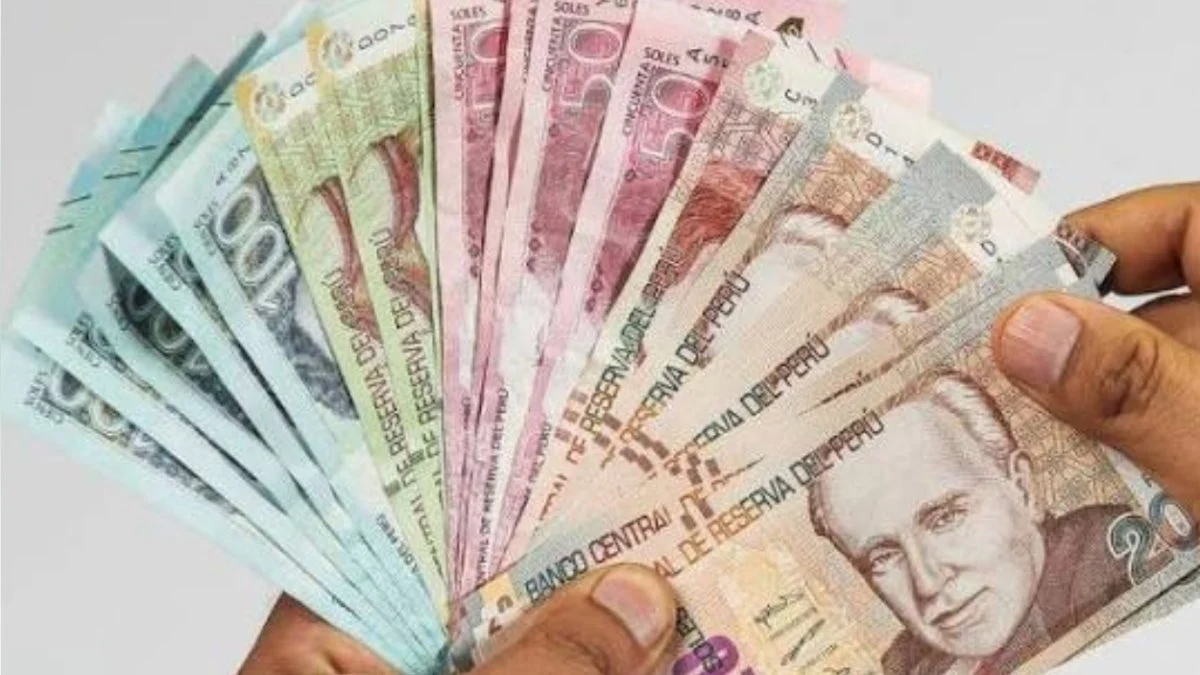
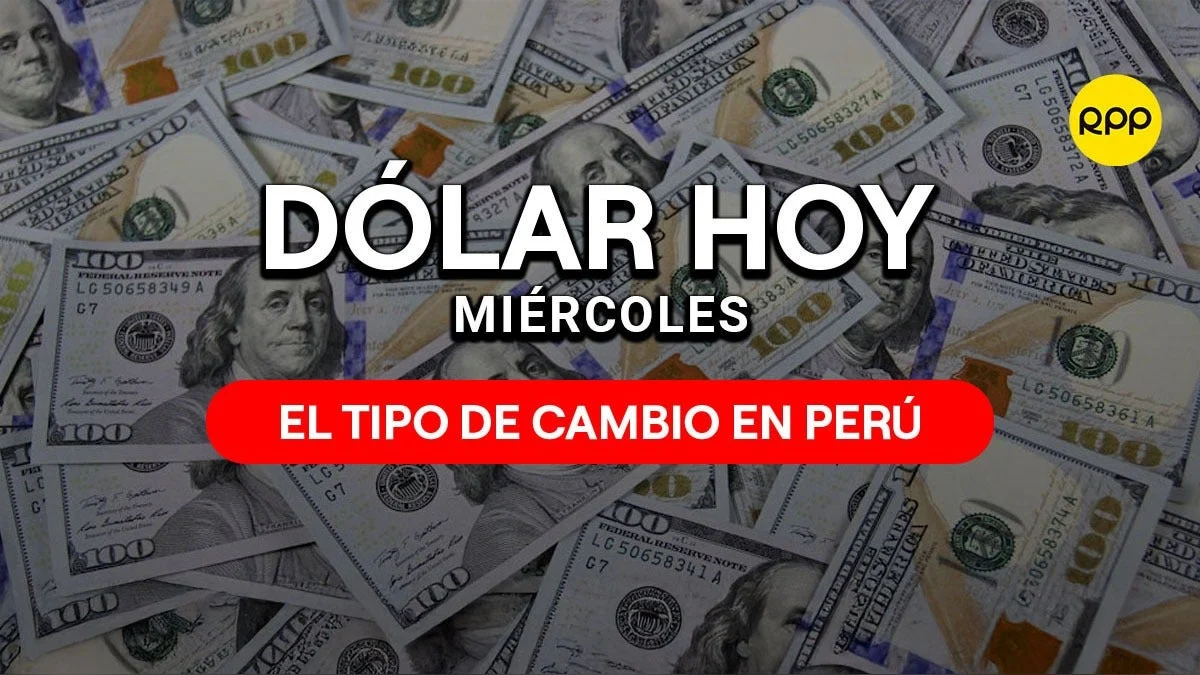
In the interconnected landscape of global finance, the currency exchange rate serves as a vital barometer for the economic health of a nation. For Peru, the fluctuating relationship between the Sol (PEN) and the United States Dollar (USD) is not merely a technicality for bankers; it is a fundamental factor that dictates the purchasing power of every household. As of Wednesday, October 7, the Central Reserve Bank of Peru (BCRP) has set the exchange rate at S/3.44. This figure, while representing a single point in time, acts as a pivot around which the nation’s consumption, debt management, and investment strategies revolve.
Understanding the mechanics behind this number—and why a shift of a few cents can ripple through the economy—is essential for every citizen navigating the modern financial landscape.
The Main Facts: Defining the Exchange Rate Environment
The exchange rate is the price of one currency in terms of another. In Peru, a "floating" exchange rate regime is employed, meaning the value is primarily determined by supply and demand in the foreign exchange market. However, the BCRP intervenes when necessary to curb excessive volatility, aiming to maintain macroeconomic stability.
At S/3.44, the Sol reflects a specific equilibrium. When this number climbs, the Sol "depreciates," meaning it requires more soles to purchase a single dollar. Conversely, when the number falls, the Sol "appreciates." For the average Peruvian, these movements are not abstract; they are immediately felt at the gas pump, the pharmacy, and the local supermarket.
Chronology: The Evolution of the Sol vs. The Dollar
To understand the current rate, one must look at the historical context of Peru’s monetary policy.
The Era of Stability (2000–2015)
For over a decade, Peru experienced a period of remarkable currency stability. During the "commodity boom," high prices for copper and other exports flooded the country with dollars, keeping the Sol strong and inflation low. The BCRP utilized this surplus to build up one of the most robust international reserve positions in Latin America.
The Pandemic and Post-Pandemic Volatility (2020–Present)
The onset of the COVID-19 pandemic introduced unprecedented uncertainty. Global supply chain disruptions and a flight to the safety of the U.S. Dollar caused the Sol to experience significant depreciation. Between 2020 and 2022, the exchange rate climbed steadily, driven by both global health crises and domestic political instability.
The Current Outlook (October 2023–2024)
Today’s rate of S/3.44 is a testament to the BCRP’s persistent efforts to anchor expectations. Despite global inflationary pressures and interest rate hikes by the U.S. Federal Reserve, the Sol has remained relatively resilient compared to its regional peers, thanks to prudent fiscal management and the continued strength of the mining sector.
Supporting Data: The Mechanics of Importation
The impact of the dollar on the Peruvian economy is rooted in the country’s import profile. Peru remains a significant importer of key goods that are priced in dollars on the international market.
The "Pass-Through" Effect
Economists refer to the "pass-through" effect as the degree to which changes in the exchange rate are reflected in domestic consumer prices. In Peru, this is particularly potent in three areas:
- Energy and Fuel: Petroleum is a global commodity priced in USD. When the Sol weakens, the cost of importing refined fuels rises, leading to higher prices at the pump and, consequently, higher logistics and transportation costs for all goods.
- Electronics and Technology: From smartphones to household appliances, most of Peru’s tech supply comes from abroad. A rising dollar makes these items significantly more expensive for retailers, who pass these costs directly to the consumer.
- Pharmaceuticals: Many essential medicines are imported or rely on imported raw materials. A weakened Sol can lead to price spikes in the healthcare sector, placing a burden on families with chronic medical needs.
Official Responses: The Role of the BCRP
The Central Reserve Bank of Peru (BCRP) is the primary institution responsible for maintaining monetary stability. Its mandate is to preserve the purchasing power of the currency.
Intervention Strategies
When the BCRP observes excessive volatility—defined not by the direction of the trend, but by the speed and unpredictability of the change—it intervenes. These interventions typically take the form of:
- Direct Selling: Injecting dollars into the market to increase supply and dampen the price increase.
- Repurchase Agreements (Repos): Managing liquidity in the banking system to influence short-term interest rates.
The BCRP’s messaging is consistently one of caution. By signaling that it has the "ammunition" (international reserves) to prevent a currency crash, it effectively prevents speculative attacks on the Sol.
Implications: How It Affects Your Wallet
The Debt Trap: Loans in Dollars
One of the most dangerous aspects of a fluctuating dollar is the presence of "currency mismatch" in household debt. Many Peruvians hold mortgages or car loans denominated in dollars, while their income is earned in soles.
- The Risk: If a person earns S/3,000 and has a $500 monthly payment, an exchange rate of 3.00 means their debt costs S/1,500 (50% of income). If the dollar jumps to 3.50, that same $500 payment suddenly costs S/1,750. This eats into the household budget, reducing disposable income for other essentials.
The Savings Paradox
Conversely, those who have managed to save in dollars find their wealth protected against the depreciation of the Sol. During periods of high inflation or political uncertainty, the dollar acts as a "safe haven" asset. However, for the average citizen, the goal is not to speculate on currency, but to ensure that their savings maintain their real value over time.
Strategic Planning for Businesses
For small and medium-sized enterprises (SMEs) in Peru, the exchange rate is a key component of the business plan. Companies that rely on imported inputs must hedge their risks, often by buying "forward contracts" or maintaining dollar accounts to cover future obligations. Those who fail to monitor the exchange rate often find their profit margins decimated within a single fiscal quarter.
Expert Analysis: Navigating the Future
Financial analysts suggest that while the current rate of S/3.44 is manageable, the future depends on a delicate balance of domestic fiscal discipline and global interest rate trends. If the U.S. Federal Reserve continues to keep interest rates high, the dollar will remain strong globally, putting persistent pressure on the Sol.
Tips for Financial Resilience:
- De-dollarize Debt: If possible, refinance dollar-denominated loans into Sol-denominated loans. This eliminates the risk of exchange rate volatility affecting your monthly obligations.
- Diversify Savings: Maintain a portion of savings in Sol-denominated high-yield accounts, while keeping a "safety net" in dollars to protect against major devaluations.
- Monitor Imports: When making large purchases—such as vehicles or appliances—factor in the exchange rate. Buying during periods of relative stability can save significant amounts of money.
- Stay Informed: Follow the BCRP’s monthly inflation reports. These documents provide the most accurate look at where the economy is headed and what the central bank is doing to keep the ship steady.
Conclusion: Living in a Globalized Economy
The exchange rate of S/3.44 is more than just a number on a screen; it is the result of thousands of daily decisions made by investors, businesses, and the central bank. For the Peruvian family, the best defense against currency volatility is not to panic, but to plan. By understanding how the dollar influences the cost of living, managing debt proactively, and staying informed about national economic policy, citizens can navigate the shifting currents of the market with confidence.
As Peru continues to integrate further into the global economy, the relationship between the Sol and the Dollar will remain a defining feature of the financial landscape. While individual citizens cannot control global markets, they can certainly control how they respond to them—turning economic awareness into a powerful tool for financial stability.