In a massive effort to secure the safety of vulnerable populations, the government of Formosa, Argentina, has completed a multi-million dollar series of hydraulic infrastructure projects. These interventions aim to mitigate the recurring risks posed by the volatile Pilcomayo River, ensuring the continuity of essential services and protecting over a dozen rural communities from seasonal inundation.
Main Facts: A Proactive Defense Strategy
As the summer season approaches in the Southern Hemisphere, the province of Formosa, Argentina, has taken significant strides to fortify its northern border against the unpredictable behavior of the Pilcomayo River. The regional government has executed a comprehensive suite of hydraulic works within the Rivadavia department, shifting from reactive emergency management to a proactive model of prevention.
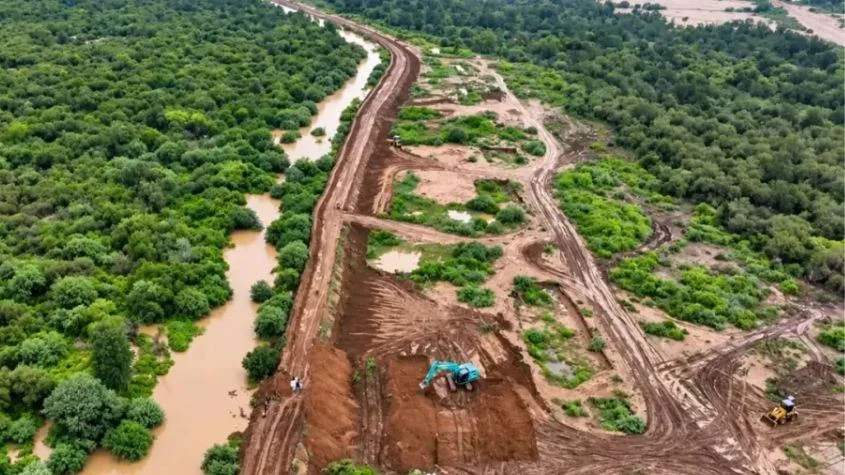
The core of this initiative involves the construction of robust defensive rings, the optimization of drainage systems, and the strategic reinforcement of embankments. With an investment exceeding $1.5 billion pesos between 2025 and 2026, the province has deployed an impressive fleet of heavy machinery—including high-capacity retro-excavators, dump trucks, and specialized earth-moving equipment—to clear sediment, reshape terrain, and ensure the resilience of local infrastructure.
These efforts are not merely aesthetic or minor repairs; they represent a fundamental engineering shift to redirect water flow and prevent the saturation of residential areas. By creating 78 kilometers of protective "rings," the administration has established a physical barrier designed to absorb the brunt of rising water levels, safeguarding over a dozen communities that have historically been at the mercy of the Pilcomayo’s overflow.
Chronology of Interventions
The recent efforts in Formosa are the culmination of a multi-year strategic plan. The timeline of this infrastructure campaign highlights the systematic nature of the provincial government’s approach to environmental risk management:

- Early 2025 (Initial Planning and Procurement): Following assessments of previous flooding cycles, the provincial government authorized the allocation of $1.5 billion pesos. Engineering teams conducted detailed topographical surveys to identify the most vulnerable points along the Pilcomayo basin.
- Mid-2025 (Operational Mobilization): Heavy equipment was deployed to the Rivadavia department. The initial phase focused on clearing arterial drainage channels that had been obstructed by years of accumulated sediment and debris.
- Late 2025 (Construction Phase): With the onset of the dry season, crews accelerated the earth-moving operations. The primary goal was to raise the height and integrity of the embankments, involving the movement of over one million cubic meters of soil.
- Early 2026 (Consolidation): The construction of the 78-kilometer protective ring system reached completion. This phase focused on closing gaps in the defenses and integrating the new segments with existing natural barriers.
- Mid-2026 to Present (Maintenance and Monitoring): The project transitioned into a phase of continuous maintenance, including the repair of gullies (cárcavas) and the strengthening of cross-channel structures to handle the upcoming seasonal surge.
Supporting Data and Technical Scope
The scale of the intervention in Formosa is supported by significant technical data that underscores the magnitude of the engineering challenge. To build a defense system capable of holding back the surge of the Pilcomayo, the project required:
- Massive Earth Displacement: Over 1,000,000 cubic meters of soil were moved to reinforce the embankments. This material was carefully compacted to ensure durability against the erosion caused by rapid water flow.
- Infrastructure Footprint: A total of 78 kilometers of protective rings were finalized. These are not simple walls, but sophisticated earthworks designed to encircle critical zones, creating a "dry island" effect for the protected communities during peak flood stages.
- Mechanical Deployment: The fleet involved hundreds of units of heavy machinery, including specialized retropalas (backhoe loaders) and batea trucks, which were necessary to manage the logistics of moving vast amounts of earth in remote, difficult-to-access terrain.
- Operational Objectives: The scope included not only the embankments but also the cleaning and rectification of guard channels, the filling of deep erosion scars, and the strategic opening of transverse canals to ensure water could be diverted away from inhabited centers.
Official Responses and Strategic Rationale
According to provincial authorities, the decision to prioritize these hydraulic works was driven by a need for social and economic stability. The government emphasized that previous flooding events often paralyzed local economies and forced the temporary displacement of hundreds of residents.
"The objective was to reach a point where the natural cycle of the river does not dictate the fate of our citizens," stated a spokesperson from the provincial public works department. By securing the perimeters of towns such as Hito 1, La Puntana, and Misión La Paz, the government has succeeded in its primary goal: during the most recent high-water events, no evacuations were required in the intervened areas.
This result serves as the ultimate validation of the $1.5 billion investment. The shift in policy—from disaster response (sending aid and shelters) to disaster prevention (building physical barriers)—is expected to save the province significant costs in the long term, as the destruction of public assets like roads and schools during floods historically led to massive reconstruction expenses.
Implications for the Region
The impact of these works extends far beyond the immediate protection of homes. By securing critical infrastructure, the project ensures the longevity of vital services:

1. Protection of Essential Services
The defense rings specifically target areas where schools, health clinics, and potable water wells are located. Keeping these facilities operational during flood events is crucial for maintaining public health and ensuring that children do not lose days of schooling due to inaccessible roads or waterlogged buildings.
2. Economic Connectivity and Transit
A major concern in the Rivadavia department has always been the isolation of rural communities. The maintenance of the provincial Route 54 is central to the project. By reinforcing the ground around the road and its adjacent drainage systems, the government ensures that supply chains for food, fuel, and medical resources remain open even during the peak of the rainy season.
3. Community Resilience
The communities of Monte Carmelo, Padre Coll, Santa María, Anselmo, La Estrella, La Gracia, Kilómetro 2, and Las Vertientes are among those that now enjoy a significantly higher level of security. The psychological benefit of not having to fear the "river’s rise" cannot be overstated. For many of these communities, which are historically marginalized, these works represent the first time the state has provided a permanent solution to their most persistent existential threat.
4. Environmental Stewardship
The project also acknowledges the necessity of "living with the river." By implementing controlled channeling and sediment management, the engineers are attempting to work with the natural dynamics of the Pilcomayo rather than simply fighting it. This balanced approach is critical for the long-term sustainability of the ecosystem, preventing the river from carving out new, uncontrolled paths that could cause greater damage in the future.
Looking Ahead: A Model for Future Projects
The success of the Formosa hydraulic defense project serves as a blueprint for other provinces in Argentina and neighboring countries that face similar riverine challenges. The integration of heavy-duty civil engineering with data-driven hydrological monitoring has proven that it is possible to mitigate the impacts of extreme weather events.

As climate change continues to make weather patterns more volatile, the lessons learned in the Rivadavia department will be vital. The provincial government has indicated that while the current phase of the project is complete, monitoring stations and maintenance crews will remain in place, ready to respond to any unexpected surges.
In conclusion, the hydraulic interventions in Formosa represent a milestone in regional infrastructure. By investing in the stability of the land and the safety of its inhabitants, the province has demonstrated that proactive planning is the most effective tool in the face of nature’s volatility. The residents of the northern border now stand in a much stronger position to face the coming summers, knowing that the "shield" of the Pilcomayo project stands between them and the rising waters.