Introduction: The Aftermath of the 2026 Municipal Vote
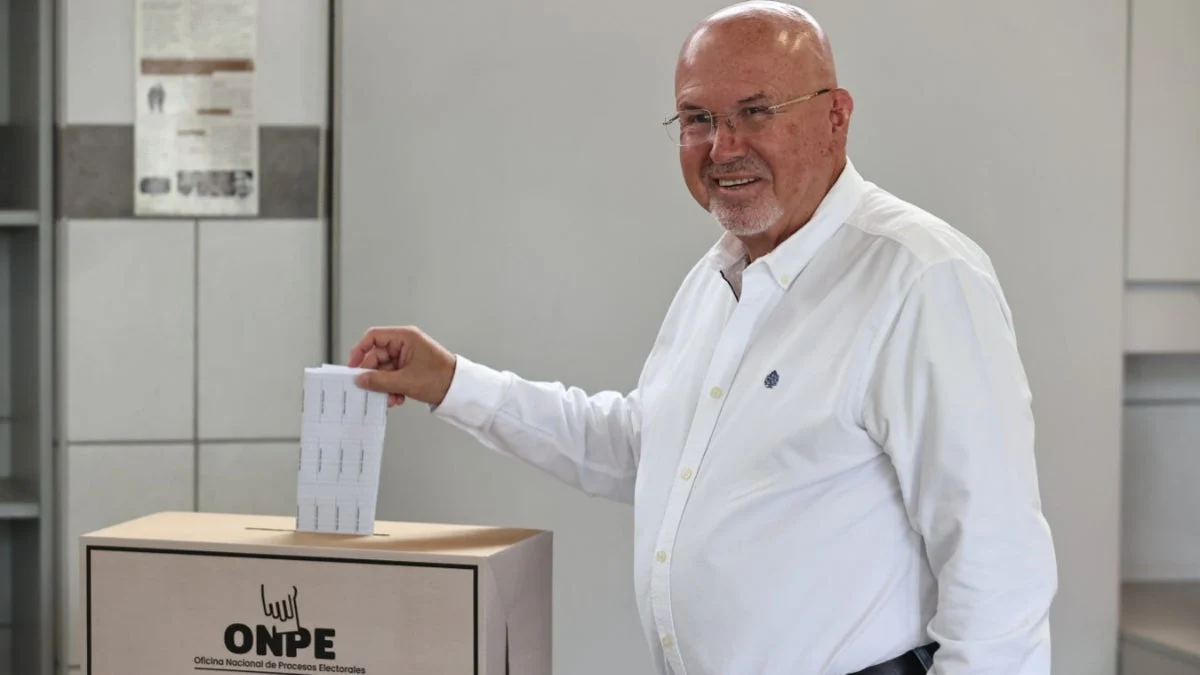
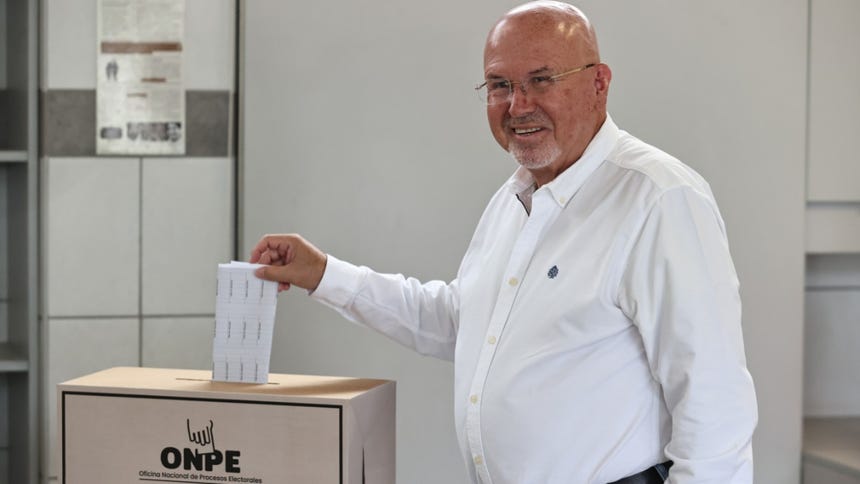
The political landscape of Peru’s capital is currently navigating a period of intense scrutiny following the 2026 Regional and Municipal Elections. As the dust settles on the initial tally, Carlos Bruce, the mayoral candidate representing the Somos Perú party, has officially acknowledged the preliminary results released by the National Office of Electoral Processes (ONPE). However, his concession was heavily tempered by significant accusations directed at the National Jury of Elections (JNE), casting a shadow over the legitimacy of the democratic process in Lima.
While Bruce signaled his willingness to accept the final outcome once the official count is complete, his public statements have sparked a heated debate regarding the institutional strength of Peru’s electoral bodies. With Renovación Popular and Avanza País currently locked in a tight race for the top spot, Bruce’s third-place position has forced him to reflect on his campaign trajectory while simultaneously challenging the procedural conduct of the election itself.
Chronology of the Electoral Process
To understand the gravity of the current situation, it is necessary to examine the timeline of events leading up to this moment:
- Pre-Election Climate: The campaign period was marked by intense debates over public safety, infrastructure, and the expansion of the municipal police force—topics heavily emphasized by candidates, including Bruce, who advocated for modernized transit corridors and enhanced urban security.
- Election Day: On the day of the vote, polling stations across Lima saw significant turnout. Despite the logistical challenges typical of such a massive operation, initial reporting suggested a smooth process.
- The Exit Polls: Immediately following the close of polls, various polling firms released exit data, which created a volatile atmosphere as supporters of the top three candidates parsed the numbers.
- The ONPE Preliminary Count: The official body, ONPE, began releasing data updates. With approximately 45.9% of the vote processed, the trend became clear, placing Renovación Popular in the lead, followed closely by Avanza País, and Somos Perú in third.
- The Post-Result Declaration: Following the publication of these figures, Carlos Bruce issued his formal response, thanking his supporters while simultaneously declaring the election an "anomalous" event.
Supporting Data: The Current Electoral Landscape
The statistical breakdown provided by the ONPE serves as the foundation for the current political tension. As of the latest update, the race for the Lima Mayoralty is defined by a narrow margin at the top, leaving little room for error.
| Political Party | Percentage of Vote (45.945% processed) |
|---|---|
| Renovación Popular | 28.345% |
| Avanza País | 27.764% |
| Somos Perú | 15.516% |
The data indicates that while Somos Perú holds a respectable position, the competitive gap between the two leading parties has dominated the public discourse. However, it is the dissatisfaction expressed by the third-place contender that has introduced a narrative of institutional failure into the post-election analysis.
Official Responses and the "Anomalous" Election Claims
Carlos Bruce’s rhetoric represents a significant departure from standard concession speeches. In his official communication, he framed his loss not merely as a result of voter preference, but as a symptom of a systemic failure within the electoral architecture.
Challenging the JNE
"It is true that one must wait for the final count to evaluate the results with greater certainty," Bruce stated in his press release. "But I reiterate that this has been an anomalous election, with a JNE that has omitted the entire responsibility it had to guarantee clean elections."
Bruce’s critique centers on the perception that the JNE failed to act as a robust safeguard against irregularities. He argued that the lack of procedural transparency has left the nation—and Lima specifically—in a position where there is still "much to build in terms of legal electoral guarantees." This accusation strikes at the heart of public trust in the JNE, an institution that has historically faced the monumental task of overseeing complex, highly scrutinized elections in a polarized climate.
Personal Commitment vs. Electoral Loss
Despite the harsh critique of the authorities, Bruce sought to maintain a focus on his core platform. He emphasized that his vision for the city—centered on equality, security, and the development of urban spaces for the most vulnerable—remains intact.
"Sometimes you win, sometimes you lose, but you always learn," Bruce remarked. "My fight for equality, security, the development of cities, respect for differences, and the desire for those who have the least to live better remains intact. It does not depend on an election; it is a way of being that will stay with me forever."
Implications for Lima’s Future
The allegations made by a candidate of Bruce’s stature carry profound implications for the governance of Lima. When a major political figure calls into question the integrity of the electoral body, it risks eroding the public’s confidence in the incoming administration, regardless of who eventually takes the oath of office.
1. Institutional Erosion
If the accusations regarding the JNE gain traction, they could lead to a broader movement demanding electoral reform. Critics of the current system often point to the slow pace of vote counting—with final results not expected until late October or early November—as a primary source of instability. This "limbo" period allows for speculation, misinformation, and increased political agitation.
2. Strategic Shifts for Political Parties
For Somos Perú, the immediate path forward involves a period of introspection. Bruce has indicated that he will remain silent while the final ONPE tally is completed. During this time, his team is expected to evaluate the campaign’s successes and failures to prepare for future electoral cycles. Meanwhile, the lead candidates—Rafael López Aliaga (Renovación Popular) and other contenders—are now in a precarious position where they must either address these accusations or focus entirely on the transition of power.
3. The Need for Electoral Transparency
The broader political consensus suggests that the 2026 elections have highlighted a structural weakness. Whether or not there was actual malpractice, the mere perception of "anomalies" suggests a communication and procedural gap between the JNE and the political actors. To maintain the stability of the capital, electoral authorities will likely face increased pressure to provide granular, real-time verification of the results to quell concerns of potential tampering or negligence.
Looking Ahead: The Wait for Finality
As the citizens of Lima wait for the remaining 54% of the votes to be tallied, the atmosphere remains expectant. The transition of power in a city of over 10 million people is a complex administrative and political challenge. The current rhetoric from Carlos Bruce, while serving as a mechanism for him to address his base, also serves as a warning to the JNE: the standard of transparency in the 21st century must be higher than ever.
While other figures, such as Francis Allison, have signaled a willingness to accept the results and extend congratulations to the eventual winner, the path forward for the administration of Lima will be defined by how the city manages this period of transition. The questions raised by Bruce regarding the "anomalous" nature of the vote are unlikely to disappear overnight. Instead, they will likely become part of the political narrative that the next Mayor of Lima must contend with from their first day in office.
The stability of Peru’s democracy, particularly in its municipal elections, depends on the ability of institutions to remain above reproach and for political actors to balance their competitive ambitions with a respect for the democratic institutions that sustain the city. For now, all eyes remain fixed on the ONPE’s count, as the final days of October approach with the promise of a definitive, if highly debated, conclusion to the election.
Conclusion
The 2026 Lima mayoral race has proven to be a testament to the volatility of modern urban politics. While the electoral math currently favors the top two contenders, the discourse has shifted toward the legitimacy of the process itself. Carlos Bruce’s decision to challenge the JNE adds a layer of complexity to the post-election period, signaling that the debate over electoral integrity is far from over. As Lima looks toward a new administration, the primary challenge for the incoming leadership will be to restore confidence and demonstrate that the city’s democratic processes are as robust as the citizens deserve them to be. The coming weeks will be crucial, not only for the final vote count but for the political health of the capital city.