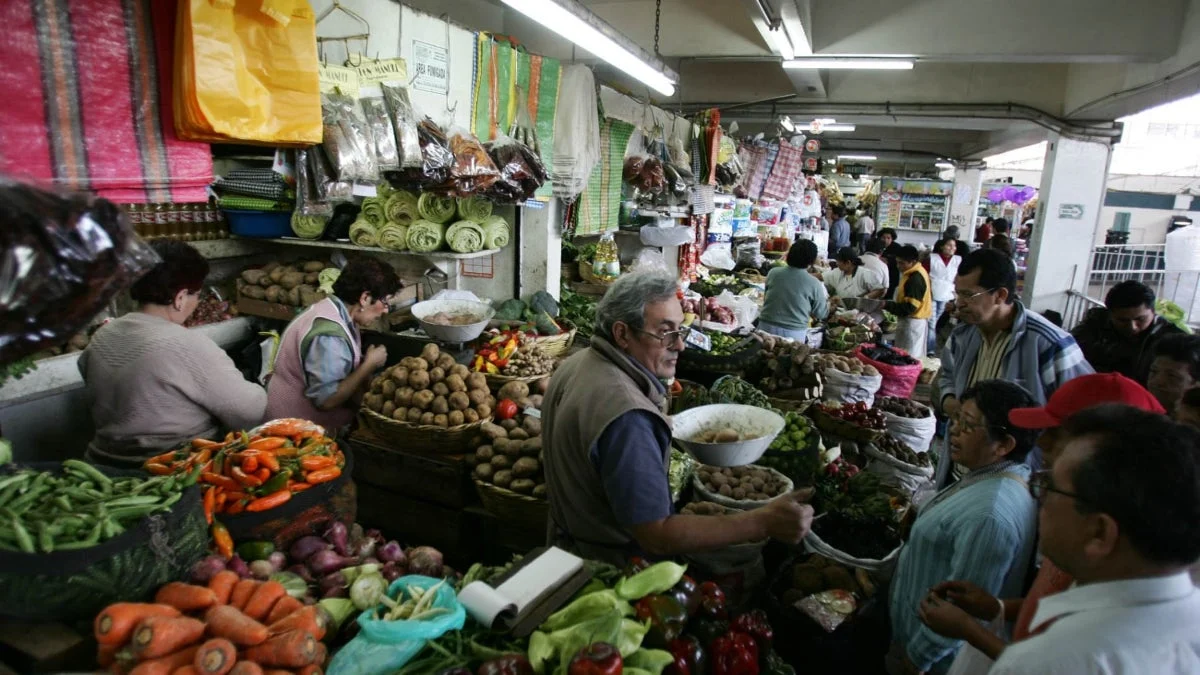
The economic landscape of Lima Metropolitana is currently navigating a complex interaction between volatile meteorological conditions and consumer pricing. According to the latest report from the National Institute of Statistics and Informatics (INEI), the "El Niño Costero" phenomenon has evolved from a climatic warning into a tangible economic pressure, directly impacting the availability and affordability of essential food items for millions of residents.
Main Facts: The Surge in Staple Costs
In September, the Consumer Price Index (CPI) for Lima Metropolitana recorded a monthly increase of 0.12%. While the aggregate figure might appear modest, a granular analysis reveals a significant strain on household budgets, primarily driven by a sharp contraction in the agricultural supply chain.
The primary culprits behind the inflationary spike were staples central to the Peruvian diet: tomatoes, green peas, and corn (choclo). The tomato experienced a staggering price increase of 28.92%, serving as the single largest contributor to the CPI’s rise, with an incidence of 0.059 percentage points. Green peas followed closely with an 18.54% hike, while fresh corn saw its price climb by 16.81%.
These increases were not isolated incidents. A broader range of agricultural products—including passion fruit (maracuyá), avocado, carrots, various potato varieties, and brown sugar—also trended upward, reflecting systemic disruption in the food production cycle.
Chronology of Disruption: From Weather to Market
The current situation is the culmination of months of climatic instability. The chronology of this crisis can be traced back to the onset of the El Niño Costero, characterized by erratic temperature shifts and unseasonal precipitation patterns.
- Early Q3 (July-August): Farmers reported the first signs of stress in crops due to increased humidity and soil temperature, which created ideal breeding grounds for agricultural pests.
- Mid-August: A critical deficit in water availability in key production zones began to hinder irrigation cycles. This led to a reduction in the volume of harvests arriving at Lima’s wholesale markets.
- Late August – Early September: The confluence of pest infestations, water shortages, and unseasonal rainfall resulted in significant crop loss. As supply plummeted, the law of supply and demand dictated a rapid upward trajectory in wholesale and, subsequently, retail prices.
- September Reporting Period: INEI data officially captured the full extent of this disruption, confirming that the agricultural sector’s inability to maintain consistent production levels had become the primary driver of inflation for the month.
Supporting Data: An Economy of Extremes
The INEI report highlights a dichotomy in the marketplace. While the category of "Vegetables, Legumes, and Tubers" saw a 5% increase across the capital, the overall division of "Food and Non-Alcoholic Beverages" actually recorded a marginal decline of -0.07%.
This statistical paradox is explained by a "compensatory effect." While agricultural supply chain failures pushed the prices of fresh produce higher, the increased availability of specific protein and fruit sources provided a necessary counterbalance.
The Counter-Inflationary Drivers:
- Bonito Fish: Prices fell by 15.62%, providing a critical protein alternative for families.
- Mango: A seasonal abundance led to a 19.02% reduction in price.
- Eviscerated Chicken: A key protein staple for Peruvian households saw a 4.57% decrease, exerting a significant downward pressure on the CPI (-0.071 percentage points).
This data underscores the resilience of the market but also reveals its vulnerability. The reliance on specific climate-sensitive crops makes the average household budget susceptible to volatility whenever weather patterns deviate from the norm.
Official Responses and External Pressures
Beyond the climate-induced agricultural crisis, the INEI points to external macroeconomic factors that have exacerbated the situation. The institute specifically highlights international geopolitical tensions as a primary driver of rising fuel costs.
The price of gasohol increased by 5.80% in September. This is not merely a transport cost issue; it is intrinsically linked to the price of transporting food from the rural heartlands to the urban centers of Lima. As petroleum prices remain unstable on the global stage, the "logistics premium" attached to food products continues to grow.
The government, through agricultural advisory bodies, has been monitoring the spread of pests and the management of water resources. However, the INEI report suggests that the structural nature of these challenges—namely, the dependence on favorable climate conditions for mass production—requires long-term investment in climate-resilient agricultural technology.
Implications: The Long-Term Economic Outlook
As of the close of September, the cumulative inflation for the year reached 4.28%, with the 12-month rolling inflation standing at 4.55%. These figures suggest that while the peak of the inflationary surge may be managed by the supply-side fluctuations of proteins and seasonal fruits, the core issue remains unresolved.
The Social and Economic Impact
- Purchasing Power Erosion: The persistent rise in staple vegetables forces households to reallocate income, often at the expense of other essential services like education or health.
- Food Security Concerns: The recurrence of El Niño events highlights the fragility of Peru’s food security. If agricultural supply chains remain reliant on traditional methods, the frequency of these inflationary shocks will likely increase.
- Policy Necessity: Experts are calling for a shift toward "Climate-Smart Agriculture." This involves not only pest management but also the implementation of efficient irrigation systems to mitigate the impact of water deficits.
A Concluding View
The September results present a clear picture of an economy in transition. We are seeing a tug-of-war between two distinct forces: the negative pressure of climate-affected agricultural supply and the positive, stabilizing effect of surplus production in other sectors like poultry and fishing.
For the government, the challenge is clear. Short-term containment measures, such as monitoring fuel prices and ensuring the efficient flow of goods, are necessary. However, the lasting solution lies in infrastructure and agricultural modernization. As the world faces a future of increasingly unpredictable weather patterns, the ability to insulate the food basket from these external shocks will define the economic stability of Lima in the years to come. The current inflation figures serve as both a warning and an indicator of the work required to protect the nation’s most vulnerable economic foundations.