In a move that caught financial markets off guard, the Central Reserve Bank of Peru (BCRP) has opted to keep its benchmark interest rate steady at 4.25% for the fourteenth consecutive month. This decision, announced in October, defies the consensus of many economic analysts who, according to a Bloomberg survey, had anticipated a hike to 4.5% to combat persistent inflation that remains stubbornly above the central bank’s target range. As the Peruvian economy navigates a complex landscape of domestic supply shocks and international geopolitical volatility, the BCRP’s decision signals a cautious, data-driven approach aimed at balancing price stability with economic growth.
The Core Decision: A Strategic Hold
The decision to maintain the 4.25% rate reflects the BCRP’s confidence that the current inflationary spike is driven by transitory supply-side factors rather than a systemic overheating of the economy. While headline inflation rose from 4.4% in August to 4.5% in September, the Central Bank maintains that this deviation is temporary. By holding rates steady, the BCRP is signaling that it prefers to wait for the dissipation of these "supply shocks"—specifically related to fuel and electricity prices—rather than tightening monetary policy further, which could inadvertently stifle the nascent recovery of the national economy.
Chronology of the Current Monetary Stance
To understand the significance of this decision, one must look at the trajectory of the Peruvian economy over the last year and a half:
- Early 2023: The BCRP began signaling a pause in its aggressive rate-hiking cycle, which had been implemented to curb post-pandemic inflation.
- Late 2023: Despite global trends of high interest rates, the BCRP maintained its 4.25% floor, arguing that inflation was beginning a slow descent toward the 2% target.
- August 2024: Headline inflation reached 4.4%, a figure that reignited concerns among market analysts regarding the efficacy of the current monetary policy.
- September 2024: Inflation crept up to 4.5%. Markets braced for an interest rate hike to 4.5% as a cooling mechanism.
- October 2024: The BCRP surprised the market by keeping the rate at 4.25%, citing that underlying core inflation remains under control.
Supporting Data: Dissecting the Inflationary Puzzle
The BCRP’s decision is rooted in a granular analysis of consumer price data. While the headline inflation figure (4.5%) is indeed above the official target range, the Central Bank points to a more nuanced reality when stripping away volatile components.
The "Core" Perspective
When analyzing inflation excluding food and energy, the picture remains steady. More tellingly, when economists remove the transport sector—which has been heavily impacted by the recent fuel price hikes—the interannual inflation rate drops to 1.8%. This figure has remained below the 2% mark since April of last year, providing the BCRP with the empirical evidence needed to argue that there is no broad-based "demand-pull" inflation across the economy.
Economic Indicators and Expectations
The Central Bank’s decision was also bolstered by data regarding economic activity. Indicators for September suggest a resilient performance. Although the "current situation" indices in the BCRP’s surveys showed mixed results compared to previous months, business expectations have remained in the "optimistic" territory. This suggests that, despite global headwinds, the domestic private sector maintains a level of confidence in the Peruvian market.
The Risks: El Niño and Global Geopolitics
Despite the optimism regarding the underlying inflation rate, the BCRP’s statement was not devoid of caution. The Board of Directors explicitly highlighted two major external threats that could force a change in policy if they escalate:
The Shadow of El Niño
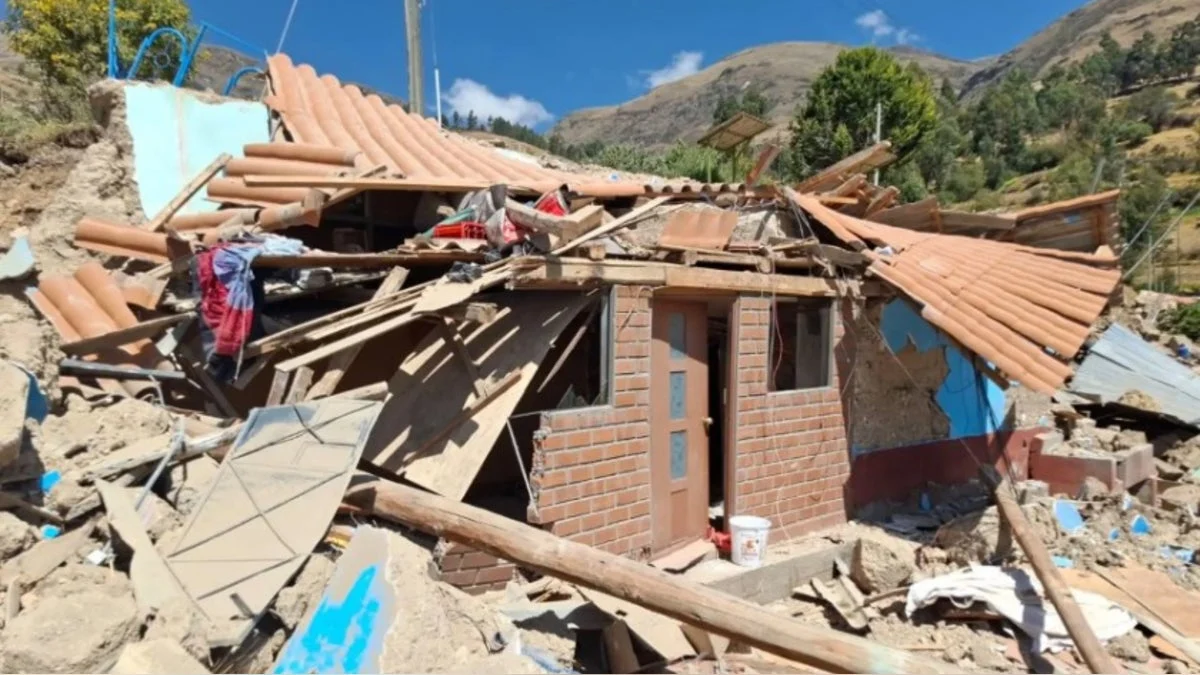
The El Niño phenomenon continues to be the primary domestic threat. Its potential to disrupt agricultural cycles, damage infrastructure, and inflate food prices remains a major concern for the BCRP. If the weather pattern manifests with the severity predicted by some meteorological models, it could trigger a new wave of food-driven inflation, forcing the Central Bank to abandon its "hold" strategy in favor of a more restrictive monetary policy.
Geopolitical Tensions in the Middle East
The international front presents its own set of challenges. The ongoing instability in the Middle East poses a direct risk to global oil prices. Since Peru is a net importer of fuel, any significant spike in the price of crude oil would quickly translate into higher domestic costs for transport and electricity. The BCRP is monitoring these developments closely, as they could threaten the expectation that inflation will return to the 2% target in the near-to-medium term.
Official Responses and Institutional Outlook
The BCRP, under its current leadership, remains one of the most respected institutions in Latin America for its technical rigor and independence. The decision to keep rates at 4.25% is not a passive act but an active bet on the normalization of supply chains.
The bank’s projection is clear: both general inflation and core inflation are expected to drift back toward the 2% target as the effects of the recent energy price shocks dissipate. However, the Bank’s communication also serves as a warning to the market. By highlighting that 12-month inflation expectations remain at 3.1%—slightly above the target range—the BCRP is signaling that it will not hesitate to adjust rates if inflation expectations become "de-anchored."
Implications for the Peruvian Economy
What does this mean for the average citizen and the business community?
For Consumers
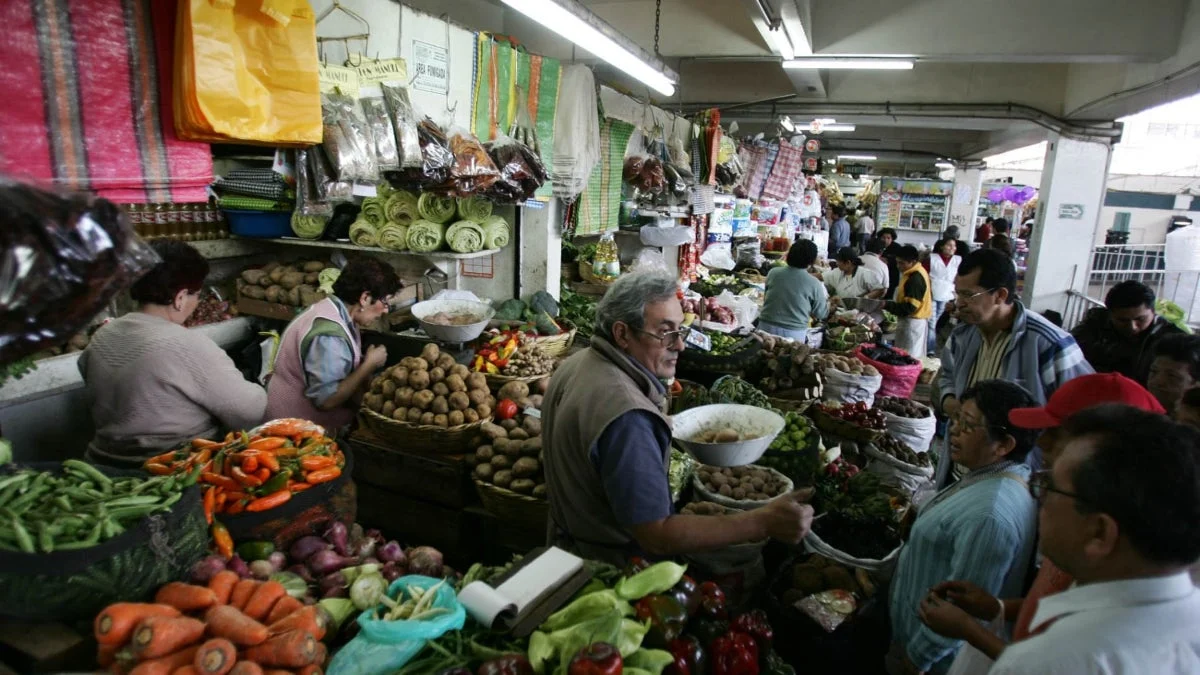
The decision to hold rates is generally positive for households, as it keeps borrowing costs for consumer loans and mortgages from rising further. If the BCRP had hiked rates to 4.5%, commercial banks would have likely followed suit, increasing the cost of credit for families already struggling with the cost-of-living crisis.
For Businesses
The stability of the interest rate provides a predictable environment for long-term investment. With business expectations in the "optimistic" range, companies are looking for stability to plan their capital expenditures. The BCRP’s decision reinforces the message that the central bank is committed to growth, provided it does not come at the cost of long-term price stability.
For Foreign Investors
Peru continues to maintain a favorable investment climate compared to many of its regional peers. The fact that the BCRP is managing inflation without resorting to extreme interest rate hikes is viewed as a sign of institutional maturity. Furthermore, the country’s "terms of trade"—the ratio of export prices to import prices—remain favorable, which provides a buffer against external shocks.
Future Outlook: A Balancing Act
Looking ahead, the BCRP is walking a tightrope. On one side, it must ensure that inflation does not become entrenched above the target range. On the other, it must avoid choking off the economic recovery that began in late 2023.
The next few months will be critical. The market will be watching the BCRP’s subsequent meetings with heightened interest, looking for signs of whether the "transitory" supply shocks will indeed fade as predicted or if the combination of El Niño and Middle Eastern conflict will force a shift in strategy.
Ultimately, the BCRP’s decision to hold the line at 4.25% is a testament to its belief that the Peruvian economy is resilient enough to absorb current volatility. By prioritizing long-term stability over short-term reactions, the Central Bank is attempting to steer the economy toward a soft landing, hoping that the combination of lower global inflation and domestic agricultural stability will allow the country to return to its inflation target by the next fiscal cycle. For now, the "wait and see" approach remains the dominant strategy in Lima’s financial district.