Executive Summary: A New Bid for Liquidity
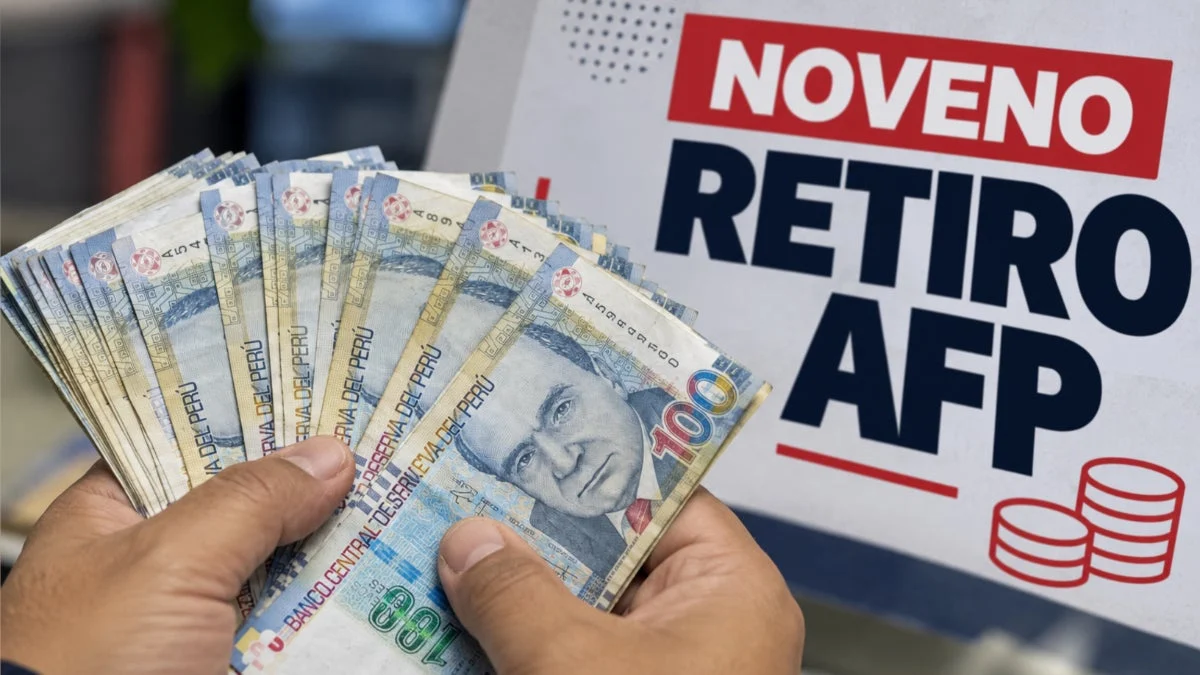
In a move that continues a controversial trend in Peruvian economic policy, a new legislative proposal has been introduced to the Congress of the Republic, seeking to authorize a ninth extraordinary and voluntary withdrawal of funds from the Private Pension System (SPP). The bill, championed by Congresswoman Catherine Palomino of the Juntos por El Perú party, proposes allowing affiliates to access up to 4 Tax Units (UIT), which currently amounts to S/22,000 for the year 2026.
The core objective of the initiative is to provide immediate liquidity to households struggling with the macroeconomic fallout of the "Niño Costero" phenomenon. By creating a temporary legal exception to the prohibition of withdrawing mandatory pension contributions—a prohibition reinforced by the 2024 Pension Reform (Law 32123)—the bill aims to act as a financial buffer against rising inflation, job instability, and the erosion of purchasing power.
Chronology of Pension Flexibility (2020–2026)
To understand the significance of this proposal, one must examine the rapid evolution of Peru’s pension landscape over the last six years. Since the onset of the global pandemic in 2020, the legislative branch has repeatedly utilized the AFP funds as a primary mechanism for social assistance.
- 2020–2024: The Era of Emergency Withdrawals: During this period, the Peruvian Congress passed eight separate measures that facilitated the withdrawal of over S/115 billion from individual retirement accounts. These policies, initially intended to provide survival funds during lockdowns, fundamentally altered the structure of the SPP.
- The 2024 Pension Reform (Law 32123): Seeking to stabilize the system, this reform established that, as a general rule, the withdrawal of mandatory contributions is strictly prohibited to ensure long-term retirement sustainability.
- September 2025: The Eighth Withdrawal (Law 32445): Despite the reform, economic pressure led to the passage of Law 32445, which authorized another 4 UIT withdrawal, effectively "breaking the lock" on the 2024 reform.
- October 2026: The Current Proposal: Congresswoman Palomino’s bill seeks to replicate the mechanism of the 2025 law, arguing that the recurring threat of the Niño Costero requires a sustained policy of "extraordinary" access to private savings.
Supporting Data: Economic Impact and Institutional Context
The proposal is built upon a foundation of data highlighting the vulnerability of the Peruvian economy. The bill cites the Central Reserve Bank of Peru (BCR), noting that the 2023 Niño Costero event shaved 1.1 percentage points off the national GDP.
The Fiscal and Corporate Backdrop
The urgency of the bill is framed by the current state of the industry. Between January and August 2026, the Private Pension Fund Managers (AFPs) reported cumulative profits of S/354 million, representing an 18.4% year-over-year increase. AFP Integra and Prima AFP dominated the sector, each reporting profits exceeding S/100 million. Proponents of the bill argue that these robust corporate figures contrast sharply with the financial hardship faced by the average affiliate, providing a moral justification for the release of funds.
However, the bill also acknowledges the long-term trade-off. It admits that the withdrawal will inevitably diminish the total pool of savings earmarked for retirement, potentially increasing the future fiscal burden on the state to provide non-contributory pensions or subsidies for the elderly.
Operational Mechanics: How the Withdrawal Would Function
The proposal outlines a structured, tiered approach to the disbursement of funds to mitigate inflationary pressure and ensure the administrative feasibility of the process:
- The Disbursement Schedule: Should the bill be signed into law, the S/22,000 (4 UIT) would not be delivered in a single payment. Instead, the proposal stipulates a schedule of four equal disbursements of 1 UIT each, spaced 30 days apart.
- The Application Window: Affiliates would have a 90-day window to submit their requests, starting from the date the official regulation is published by the Superintendency of Banking, Insurance, and Private Pension Fund Administrators (SBS).
- Right to Desist: The bill includes a provision allowing participants to cancel subsequent payments if their personal economic situation improves, providing a layer of flexibility that was present in the 2025 scheme.
Official Responses and Expert Analysis
The political and economic debate surrounding this proposal is deeply polarized.
The Proponents’ Stance
Supporters of the measure emphasize the "social necessity" of the policy. They argue that in a volatile climate where food prices are rising and agricultural production is disrupted by climate phenomena, the government’s failure to provide direct subsidies leaves the AFP funds as the only viable "emergency kit" for families. Congresswoman Palomino maintains that the state is not providing direct financial relief to the most affected sectors, thus shifting the responsibility of survival onto the individual’s own savings.
The Critics’ Concerns
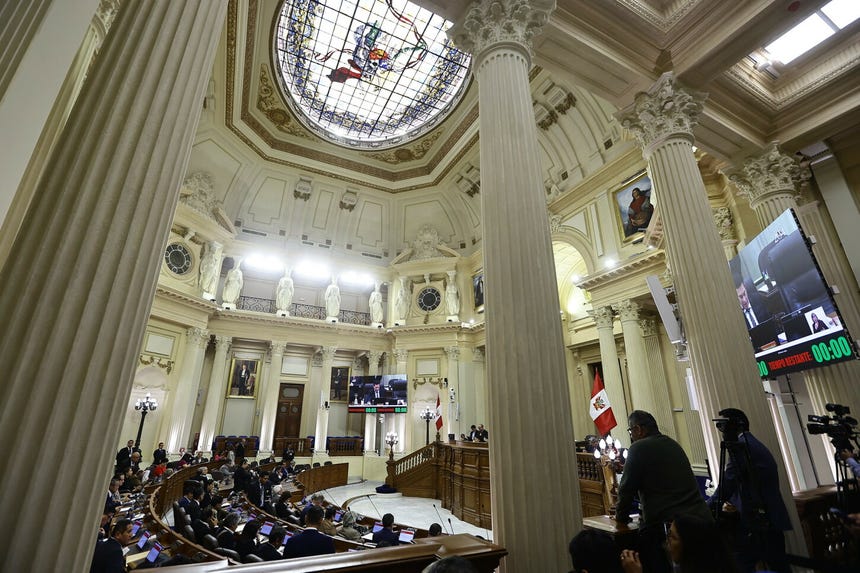
Economists and policy analysts have expressed significant reservations. The primary concern is the long-term solvency of the pension system. As of 2026, more than 7 million affiliates have either exhausted their funds or seen their balances significantly reduced due to the previous eight rounds of withdrawals. Critics argue that:
- Erosion of Retirement Security: The cumulative effect of these withdrawals is creating a future generation of elderly citizens with no pension coverage, which will eventually force the state to increase the national budget for social welfare programs.
- Macroeconomic Stability: While the bill claims there is no "direct public expenditure," the exposure of the state to future "contingent liabilities" is high. If the population arrives at retirement age without funds, the government will be legally and morally obligated to intervene, creating a massive fiscal hole in the coming decades.
- The Institutional "Lock": Critics argue that passing this law would effectively render the 2024 Pension Reform meaningless, signaling to the public that pension rules are subject to permanent revision based on short-term political cycles rather than long-term economic planning.
Implications: A System at a Crossroads
The proposal for a ninth withdrawal places Peru at a critical juncture. The recurring nature of these "extraordinary" measures suggests that the pension system is being treated as a secondary savings account rather than a vehicle for retirement.
Long-term Consequences
If passed, the bill will provide immediate relief to thousands of families, likely boosting domestic consumption in the short term. However, the structural implications are severe. The reduction in total assets under management (AUM) within the AFP system will diminish the capital available for local investment, potentially affecting the stock market and the financing of large infrastructure projects.
Furthermore, the "fiscal impact" mentioned in the bill’s motivation is the most significant long-term risk. By allowing individuals to drain their accounts today, the government is effectively offloading the social cost of the current economic crisis onto the future, when the state will face a significantly larger cohort of retirees who lack a financial safety net.
Conclusion
As the proposal moves toward committee review and potential floor debate, the tension between immediate social relief and long-term economic sustainability will remain the central theme. While the legislative push is framed as a response to the environmental and economic threats of the Niño Costero, it also reflects a deeper systemic issue: the lack of confidence in the current pension model and the political difficulty of maintaining strict, long-term savings policies in a country where economic volatility is the norm.
The eyes of the financial markets and the Peruvian public are now turned to the Congress, where the decision to pass this ninth withdrawal will likely define the future of retirement policy in the country for years to come.