Puno, Peru — In a proactive effort to mitigate the socio-economic impacts of infrastructure paralysis, the Ministry of Transport and Communications (MTC) has announced a robust maintenance plan for the 73-kilometer Checca-Mazocruz highway. Located in the province of El Collao, Puno, this vital artery has been trapped in a complex web of legal disputes that have halted its definitive improvement.
Minister of Transport, José Tangherlini, confirmed that Provías Nacional will deploy permanent machinery and allocate dedicated budgetary resources to ensure the road remains passable. This measure serves as a crucial "bridge" strategy, designed to safeguard connectivity for local communities while the central government navigates the intricate judicial processes currently stalling the main project.
Main Facts: A Strategic Lifeline for Puno
The Checca-Mazocruz highway is not merely a stretch of pavement; it is a critical logistical corridor for the southern Andean region of Peru. The current state of the road significantly impacts the daily lives of residents in El Collao and surrounding areas, affecting everything from the transport of agricultural products to the accessibility of essential healthcare and education services.
The MTC’s intervention strategy is twofold:
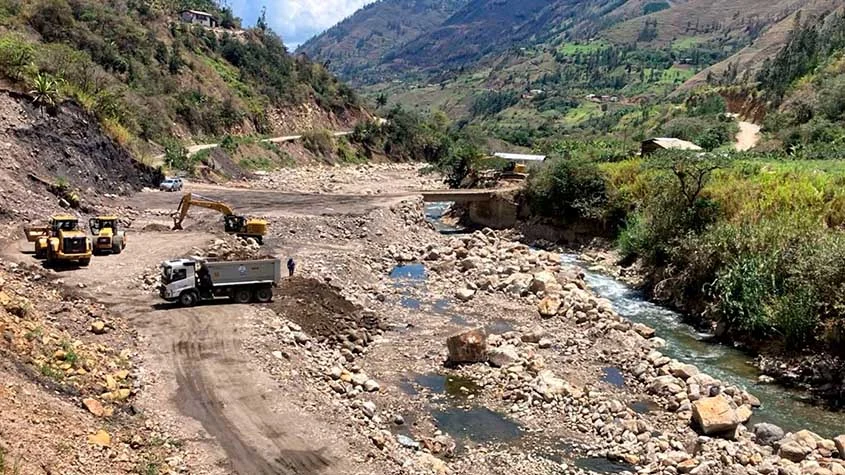
- Immediate Operational Stability: By stationing permanent machinery, Provías Nacional aims to prevent the further degradation of the road surface, ensuring that the route remains functional despite the lack of a completed, modern highway.
- Emergency Response Protocols: The deployment includes teams ready to address climate-related damage, such as landslides or heavy rains, which are common in the high-altitude terrain of Puno.
This decision follows a high-level coordination meeting between Minister Tangherlini, local Puno authorities, and regional congressmen, underscoring the political pressure to resolve the ongoing stagnation.

Chronology: The Road to Stagnation
The challenges surrounding the Checca-Mazocruz project are emblematic of the broader issues facing public infrastructure in Peru. The road, which is essential for regional development, has been mired in controversy for years.
- The Planning Phase: Initially conceived to integrate remote communities into the regional economy, the project was designed to meet high standards of safety and capacity.
- The Conflict Emerges: During the execution phase, unforeseen legal disputes arose—largely related to contractual disagreements and administrative hurdles—that brought physical work to a standstill.
- The Injunction: A key legal obstacle was the implementation of a restrictive court-ordered injunction (medida cautelar). This order effectively tied the hands of the MTC, preventing the resumption of work until the merits of the case could be fully evaluated.
- Current State: For several months, the road has been in a state of limbo. The MTC has been actively fighting the injunction in court, arguing that the public interest and the need for regional development outweigh the procedural arguments of the opposing parties.
- The October Milestone: October 9 has been marked as a critical date in the judicial calendar. The court is scheduled to hear the MTC’s appeal, which seeks to vacate the current injunction and allow the ministry to proceed with the remaining work.
Supporting Data: Why This Corridor Matters
The importance of the Checca-Mazocruz highway can be quantified by its role in the regional supply chain. Puno is a major producer of milk, wool, and agricultural goods that rely on reliable road access to reach urban markets.
- Distance: 73 kilometers of strategic connectivity.
- Economic Impact: The corridor serves as a primary link for farmers in El Collao, reducing transportation costs and transit times for perishable goods.
- Social Impact: It facilitates access to hospitals in major urban centers, which is life-saving for those living in isolated highland communities.
- Budgetary Commitment: While the specific dollar amount for the temporary maintenance has not been fully disclosed, the MTC has confirmed that it will draw from the national emergency maintenance fund to ensure no disruptions to the regional economy occur while the court deliberates.
Official Responses: A Commitment to Governance
The dialogue between the MTC and regional leaders has been tense but productive. Minister Tangherlini emphasized that the government is fully aware of the public frustration regarding the delayed project.
"We cannot allow the legal system to hold the development of our citizens hostage," stated a spokesperson for the Ministry. "While the judiciary reviews the merits of the case, our duty is to provide the citizens of Puno with a safe and operational road. The deployment of Provías Nacional machinery is a demonstration of our commitment to not abandon the region."
Local leaders in Puno have cautiously welcomed the announcement, noting that while temporary maintenance is a positive step, it is not a substitute for the long-awaited final asphalt and structural improvements. They have pledged to remain vigilant, monitoring the October 9 hearing to ensure that the MTC follows through on its promise to initiate a new procurement process if the court rules in their favor.

Implications: A New Framework for Stalled Projects
The Checca-Mazocruz case is likely to serve as a template for how the Peruvian government handles stalled infrastructure projects across the country. By separating "maintenance" from "construction," the MTC is attempting to create a firebreak between legal battles and the actual service provided to the public.
1. The "Saldo de Obra" Strategy
If the October 9 court ruling favors the Ministry, the MTC has already outlined a roadmap to resume construction. This involves calculating the "saldo de obra"—the remaining work to be completed—and launching a transparent, expedited tender process under the specific legal framework designed for previously paralyzed projects. This mechanism is intended to avoid the common pitfalls of legacy contracts and ensure that the new contractor is capable of finishing the project without further legal friction.
2. Legal Precedence
The struggle to overturn the injunction highlights a growing trend in Peru where judicial intervention is increasingly used in commercial and infrastructure disputes. The outcome of this case could set a precedent for whether state-led infrastructure projects can be protected from prolonged injunctions in the future.
3. Regional Stability
For the people of Puno, the promise of a functional road is a signal that their concerns are being heard at the ministerial level. However, the true test will be the performance of the maintenance teams during the upcoming rainy season. If the road remains traversable through the summer months, the MTC will gain significant political capital and trust in the region.
Conclusion: Looking Beyond October 9
The road ahead remains challenging. While the MTC has secured the short-term future of the Checca-Mazocruz highway, the ultimate goal remains the full, high-quality completion of the infrastructure. The eyes of the region—and indeed the entire construction and logistics sector—will be on the courtrooms on October 9.

The ministry’s proactive stance demonstrates a shift toward more agile crisis management. By acknowledging that legal delays are a reality of the current landscape, the government is moving away from the "wait and see" approach that previously defined such conflicts. Instead, they are opting for a strategy of active maintenance, ensuring that while the law takes its course, the people of El Collao do not have to pay the price for bureaucratic and legal gridlock.
As the ministry prepares for the upcoming hearing, the message to the residents of Puno is clear: the government is committed to connectivity. Whether through immediate road repairs or the long-term vision of a completed highway, the infrastructure of the south remains a priority that the current administration is unwilling to abandon. For now, the machinery is on the move, and the road—for the first time in a long time—is receiving the attention it deserves.