By ProActivo Editorial Staff
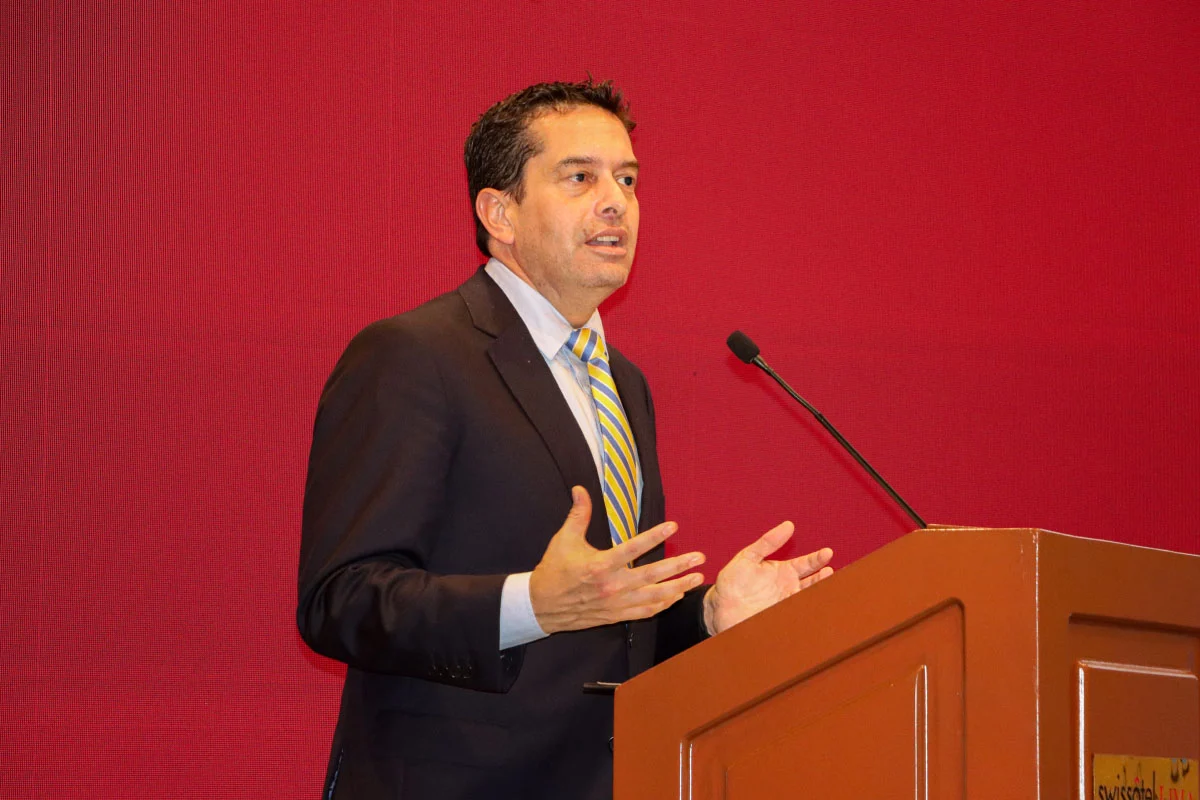
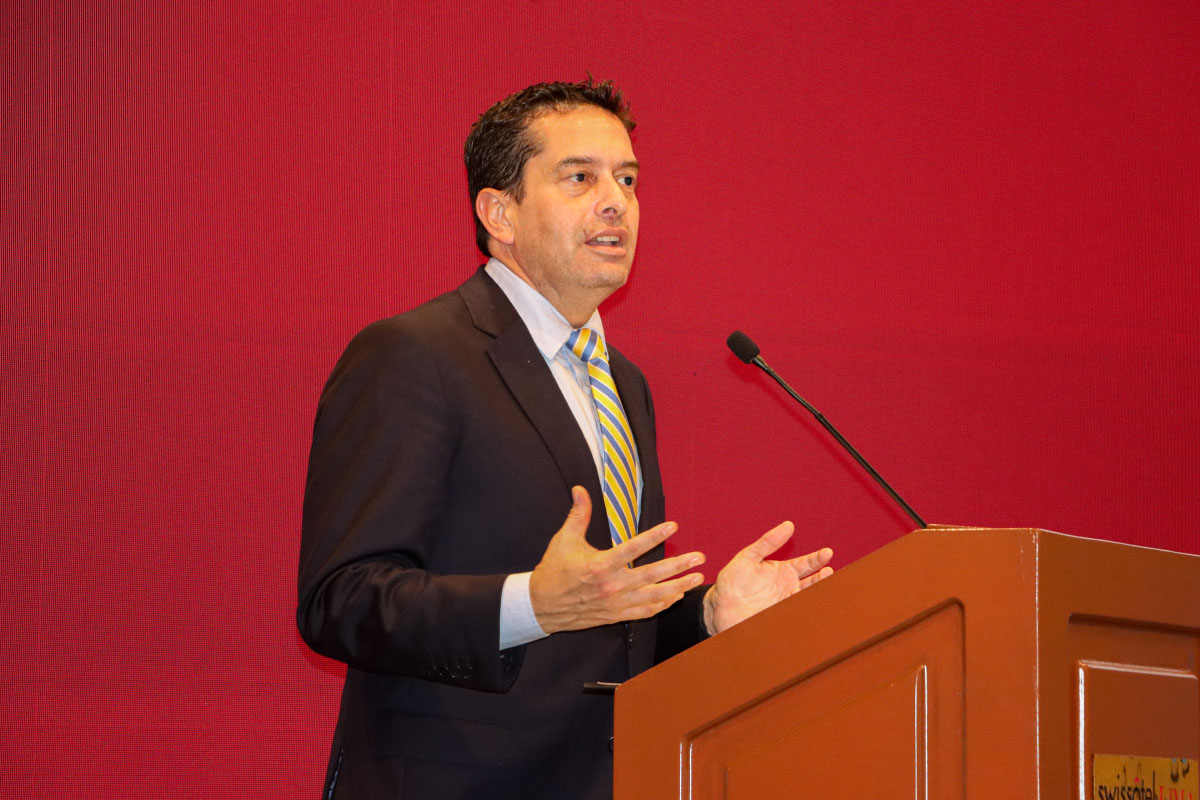
In a pivotal address that resonated across the corridors of the Swissôtel Lima, the President of the Peruvian Senate, Miguel Ángel Torres, delivered a stern message to the nation’s political and economic elite: the era of institutional improvisation must end. During the "Agenda Perú 2027" Gala Dinner, co-organized by the Canada-Peru Chamber of Commerce and the Swiss-Peruvian Chamber of Commerce, Torres framed the return to a bicameral parliamentary system not merely as a structural adjustment, but as a mandatory safeguard for the country’s economic future.
Before an audience of over 230 prominent business leaders, cabinet ministers, and international diplomats, the Senate President underscored that the stability of the investment climate is inextricably linked to the quality of legislative output. As Peru navigates a complex global economic landscape, the legislative branch is tasked with proving that it can provide the predictability required to unlock dormant capital and restore investor confidence.
The Myth of "Separate Tracks": Confronting a Decade of Lost Opportunity
For years, a prevailing narrative in Peruvian political circles suggested that the nation could operate on "separate tracks"—where economic growth persisted regardless of the volatility of the political environment. Miguel Ángel Torres dismantled this notion during his keynote speech, labeling it "one of the greatest lies ever told" in the context of national development.
The Cost of Volatility
Torres provided a sobering assessment of the last decade, highlighting that the divergence between policy and performance resulted in tangible, quantifiable damage to the social fabric. The numbers he cited serve as a grim indictment of past institutional inaction:
- Impoverishment: Nearly two million Peruvians have fallen back into poverty, a direct consequence of a stagnant economic climate driven by political turbulence.
- Paralyzed Infrastructure: Approximately 3,500 public works projects remain stalled, representing billions in lost social value and public utility.
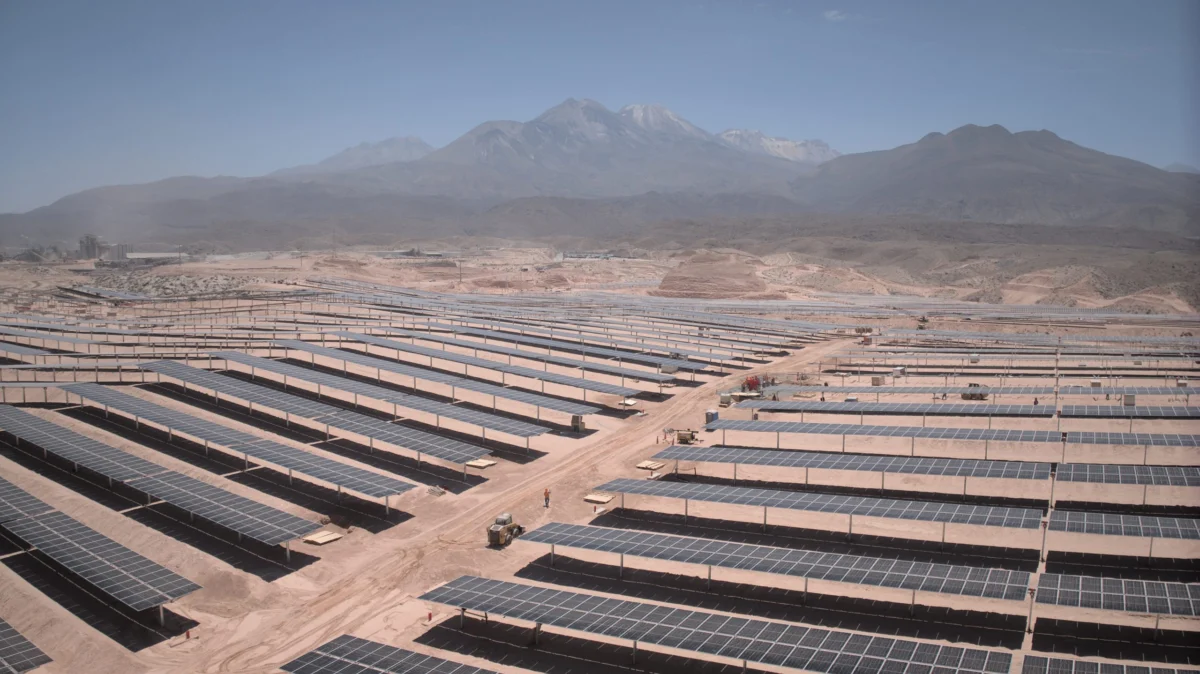
- Frozen Capital: An estimated $64 billion in private mining investments—the backbone of the Peruvian economy—has been held in check due to regulatory uncertainty and a lack of clear, long-term policy direction.
"That should never have happened," Torres emphasized. He argued that the return to the Senate—the upper chamber—is fundamentally an exercise in risk management. By introducing a "chamber of reflection," the legislative process gains a filter that prevents the capricious, weekly shifts in rules of the game that previously spooked domestic and foreign investors.
Chronology of Reform: From Unicameralism to the New Senate
The transition to a bicameral system represents the most significant constitutional change in recent Peruvian history. To understand the current climate, one must look at the progression of the reform:
- The Crisis of Representation: Years of high legislative turnover and fragmented party systems led to a public outcry for a more robust checks-and-balances system.
- The Constitutional Shift: Following intense public debate and congressional deliberation, the mandate to restore the Senate was ratified, aiming to professionalize the legislative process.
- The Administrative Pivot (2026-2027): Under the leadership of Miguel Ángel Torres, the focus shifted from legislative theory to operational reality, emphasizing cost-efficiency to appease critics of the expanded parliamentary structure.
- The Agenda 2027 Gala: The event at the Swissôtel marked the first major public audit of this new system before the private sector, signaling a transition toward a focus on economic execution rather than purely internal reorganization.
Administrative Efficiency: Debunking the "High Cost" Narrative
A primary critique leveled against the return of the Senate was the concern over fiscal bloat. Critics argued that adding a second chamber would inevitably lead to a doubling of personnel and operational expenses, further burdening the national budget.
Miguel Ángel Torres addressed these concerns with a blunt defense of his administration’s austerity measures. He maintained that the current legislative model utilizes existing infrastructure, effectively merging the support services of the former unicameral congress into a streamlined, dual-chamber structure.
"We were told that bicameralism implied double the personnel and double the resources. That is simply impossible," Torres stated. He revealed that, as part of a rigorous efficiency initiative, the legislative branch has already eliminated 500 administrative positions. This restructuring is designed to prove that the Senate is not a parasitic layer of government, but an essential component of professional governance.
Defined Roles for Dual Chambers
Torres clarified the specific, non-overlapping functions of the two chambers to further demonstrate operational clarity:
- The Senate: Acts as the anchor of institutional stability. It holds exclusive powers to ratify the board of directors of the Central Reserve Bank (BCR) and appoint magistrates to the Constitutional Tribunal. These are long-term, high-stakes decisions that require the maturity and reflection of the upper house.
- The Chamber of Deputies: Focuses on the immediate pulse of the country, specializing in fiscal oversight, political control, and the rapid processing of laws that require direct responsiveness to the electorate.
The Danger of "Legislative Anemia"
While Torres defended the need for reflection, he issued a sharp warning against the emerging risk of "legislative anemia." He noted that while the bicameral system was intended to stop the "legislative hemorrhage"—the reckless creation of laws without study—it must not become a bottleneck that prevents the government from functioning.
The Senate President specifically pointed to the delays in the Chamber of Deputies regarding the delegation of legislative faculties requested by the Executive branch. These faculties are essential for managing critical national issues, including the mitigation efforts for the El Niño phenomenon and the implementation of urgent strategies to combat rising citizen insecurity.
"Bicameralism implies stability, but it cannot lead to paralysis," Torres remarked. He argued that a government that has just assumed power requires the tools to implement its development plan. If the legislative branch becomes so fixated on its role as a "filter" that it stops the flow of necessary executive action, it risks creating a new kind of instability that is just as detrimental to the economy as the one it replaced.
Implications for the Future: Building Predictability
The implications of Torres’ address extend beyond the halls of Parliament. For the international business community, the message is clear: Peru is attempting to build a firewall against populism and short-termism. By re-establishing the Senate, the country is signaling a return to a more deliberate, technocratic approach to lawmaking.
Key Takeaways for Stakeholders:
- Judicial and Regulatory Security: The Senate is positioning itself as the guardian of long-term contracts and rules, ensuring that investors can plan for the next decade, not just the next fiscal quarter.
- Institutional Alignment: The collaboration between the Senate and the Executive on matters of national urgency (like infrastructure and safety) is the new litmus test for political maturity in Lima.
- Economic Rebound: The focus on unblocking $64 billion in mining investments remains the top priority. The Senate’s role is to ensure that the regulatory environment is conducive to this goal, without the interference of erratic policy shifts.
As the "Agenda Perú 2027" proceedings concluded, the consensus among the gathered business leaders was one of cautious optimism. The restoration of the Senate is seen as a necessary structural repair, but its success will ultimately depend on the ability of the legislative branch to balance its duty of oversight with the imperative of national progress.
Miguel Ángel Torres’ leadership at this juncture serves as a pivot point. By emphasizing both the reduction of bureaucracy and the need for efficient government action, he is attempting to define a new standard for the Peruvian state—one where the legislative and executive branches work in tandem to secure the nation’s economic destiny. The coming months will demonstrate whether this vision of stability can survive the pressures of a demanding electorate and a volatile political landscape.