As the countdown to the 2026 Regional and Municipal Elections reaches its final stages, the National Office of Electoral Processes (ONPE) has activated a high-security logistical deployment to ensure the integrity of the voting process in the nation’s capital and the Callao constitutional province.
Main Facts: A Complex Logistical Undertaking
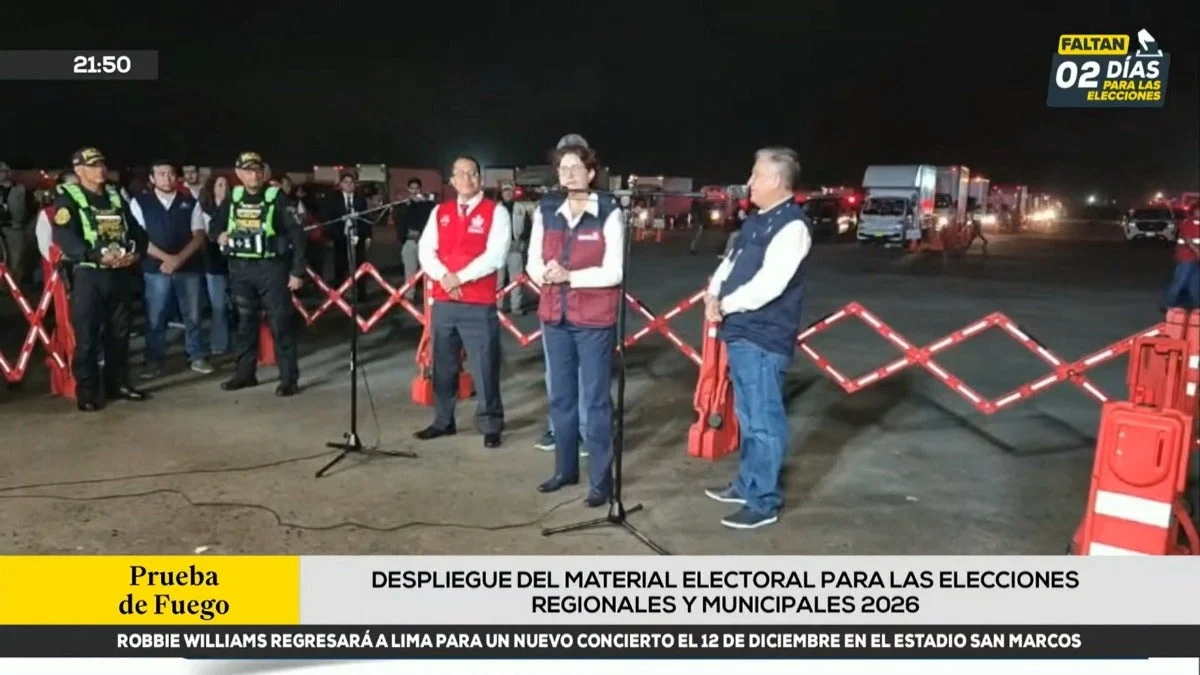
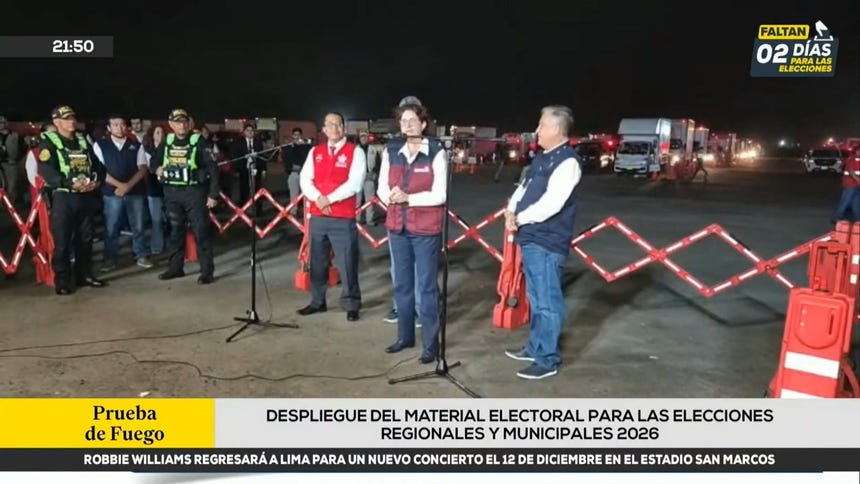
In a coordinated effort to guarantee the smooth execution of the upcoming Regional and Municipal Elections scheduled for Sunday, October 4, 2026, the ONPE officially commenced the distribution of critical electoral materials late Friday, October 2. The operation, which marks a pivotal milestone in the pre-election calendar, involves the mobilization of essential items—including ballots, voting booths, and counting equipment—to 2,115 designated polling centers across Lima Metropolitana and Callao.
The logistics chain, which began at 10:00 p.m. on Friday, is characterized by its strict adherence to security protocols. A total of 250 transport units were deployed from the "Lurín Live" logistics hub, located at kilometer 40 of the Panamericana Sur. Each vehicle operates under a rigorous chain of custody, overseen by the Peruvian National Police (PNP), ensuring that the sanctity of the vote remains protected from the warehouse to the polling station.
Chronology of the Deployment
The execution of this operation follows a meticulously planned timeline designed to mitigate risks and ensure punctuality:
- Friday, October 2, 8:00 p.m.: Final inspection of the 250 transport units at the Lurín facility, including verification of satellite tracking systems and security seals.
- Friday, October 2, 10:00 p.m.: Official commencement of the dispatch. The fleet begins its departure toward 2,115 strategic locations throughout the metropolitan area.
- Friday, October 2 – Saturday, October 3 (Overnight): Continuous transit of the convoy. Each vehicle is tracked in real-time via satellite, providing the ONPE command center with constant updates on location and status.
- Saturday, October 3 (Throughout the Day): Arrival at polling centers and handover to local coordinators, who are tasked with securing the materials within the facilities under police supervision.
- Sunday, October 4: Opening of the polls and the official start of the 2026 Regional and Municipal Elections.
Supporting Data: Security and Technology
The scale of this operation is significant, reflecting the sheer size of the electorate in Peru’s most populous regions. The ONPE has implemented a multi-layered security strategy to prevent any interference with the electoral materials.
The Role of Technology and Monitoring
A cornerstone of the 2026 logistical strategy is the integration of high-precision satellite monitoring. Every one of the 250 vehicles is equipped with GPS tracking, allowing the ONPE’s central command to monitor the movement of the material from the moment it leaves the Lurín hub until it reaches its final destination. This level of oversight is designed to detect any unauthorized stops or deviations from the planned routes.
Infrastructure and Contingency Planning
To ensure that no polling station is left without materials, the ONPE has established a contingency protocol. Four additional transport units, fully equipped and staffed by professional drivers, remain on standby. Should any vehicle encounter mechanical issues or logistical delays, these standby units are prepared to intervene immediately, ensuring the continuity of the operation.
The transportation contract was awarded to the "Consorcio AFE," a specialized logistics group comprising AFE Service S.A.C., Coral Logística Terrestre S.A.C., J & J Transportes y Soluciones Integrales S.A.C., and Señor de los Milagros Cárdenas E.I.R.L. This consortium has been tasked with adhering to strict performance metrics, including strict adherence to delivery schedules and safety standards.
Official Responses and Transparency
Bernardo Pachas, the Chief of the ONPE, emphasized the importance of transparency and institutional cooperation during a briefing with the media outlet El Poder en Tus Manos.
"On October 2, we began moving critical electoral materials to all locations in Lima and Callao. Everything is under a strict chain of custody, supported entirely by the Peruvian National Police," Pachas stated. He further clarified that the security measures are not limited to the transport phase; they are integrated into every stage of the lifecycle of the electoral material.
"From the initial assembly and production of the ballots to the final loading and transport, the entire process is conducted under the watchful eye of the National Police," Pachas noted. Furthermore, he highlighted the oversight role played by the National Jury of Elections (JNE), which is responsible for the fiscalization of the process, and the Comptroller General of the Republic, which monitors the administrative procedures to ensure that the ONPE’s operations remain efficient and corruption-free.
Implications for the Electoral Process
The deployment of materials is more than just a logistical task; it is a fundamental pillar of democratic stability. By securing the movement of ballots and related equipment, the ONPE aims to bolster public confidence in the electoral system.
Ensuring the "Sanctity of the Vote"
The chain of custody protocol is designed to prevent tampering or loss of material. In the context of high-stakes regional and municipal elections, where local power dynamics often generate significant political tension, the presence of police protection is a psychological and physical deterrent against any attempts to disrupt the voting process.
Challenges in a Metropolitan Context
Distributing materials across the sprawling urban landscape of Lima and Callao presents unique challenges, including traffic congestion, complex geography, and the sheer number of polling centers. By initiating the deployment at 10:00 p.m. on Friday, the ONPE has strategically chosen to move the bulk of its fleet during off-peak hours, minimizing the risk of delays caused by the city’s notorious traffic.
Strengthening Institutional Trust
For the citizens of Peru, the visibility of this operation serves as a reminder that the institutional machinery of the state is functioning effectively. The involvement of the Comptroller General and the JNE acts as an external check on the ONPE, providing a necessary layer of accountability. As the country prepares to head to the polls on October 4, the successful transport of these materials represents the first successful "test" of the 2026 electoral cycle.
Conclusion
As the vehicles continue their journey across the capital, the focus of the ONPE now shifts to the arrival at the final 2,115 polling stations. The meticulous preparation, from the satellite-monitored routes to the inclusion of contingency vehicles, demonstrates an organizational commitment to democratic principles. With the support of the police and the oversight of the electoral and control bodies, the stage is set for a secure and transparent voting day. The efficiency of this logistical operation will undoubtedly be a key factor in how the 2026 Regional and Municipal Elections are perceived by the public, setting a precedent for professional electoral administration in the country.