The global phenomenon of BTS is set to transcend the boundaries of the concert stage in Lima, evolving into a significant economic engine for the Peruvian capital. As the city prepares to host the world-renowned K-pop group for three high-profile dates on October 7, 9, and 10, the Lima Chamber of Commerce (CCL) has released a compelling forecast: the event is expected to trigger an economic windfall ranging between S/150 million and S/200 million.
This surge in activity is not merely confined to the sale of concert tickets. Instead, it represents a multifaceted stimulus package for micro and small enterprises (mypes) across various sectors, ranging from retail and hospitality to specialized creative services. As the "BTS effect" grips the city, the infrastructure of Lima’s local economy is bracing for an influx of fans that promises to revitalize everything from the textile hubs of Gamarra to the culinary corridors of the capital.
The Economic Blueprint: Breaking Down the Numbers
The scale of the impact is rooted in high-volume participation. According to the Lima Chamber of Commerce, the three scheduled dates are expected to draw a collective audience of approximately 118,000 attendees.
The financial footprint of these attendees is calculated based on a projected average ticket price of S/844. By this metric alone, ticket sales represent roughly S/100 million in direct revenue. However, the secondary economic impact—what economists term the "multiplier effect"—is where the true growth for local businesses lies. The CCL estimates that for every sol spent on a ticket, a significant portion is funneled into the broader service economy, covering expenses such as:
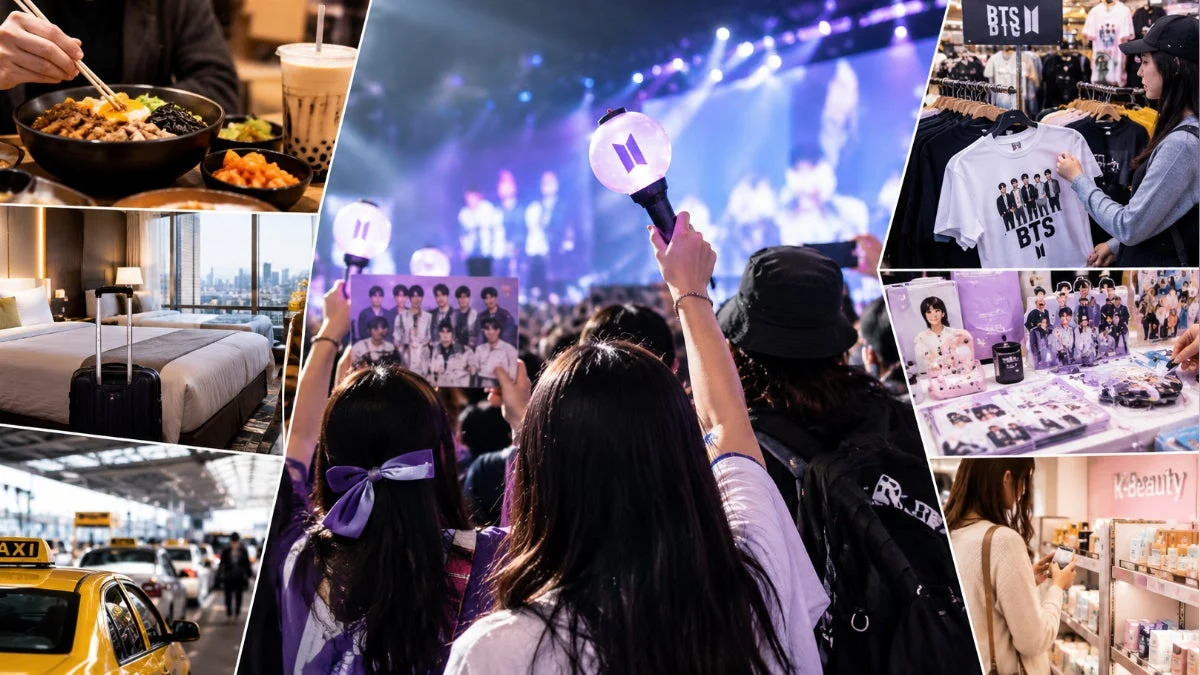
- Accommodation and Hospitality: Fans traveling from outside Lima require lodging, creating a surge in occupancy for hotels, hostels, and Airbnb rentals.
- Gastronomy: From quick-service food stalls near the venue to themed cafes and high-end Korean restaurants, the demand for dining is expected to spike.
- Logistics and Transportation: Taxi services, ride-sharing applications, and private transport providers are anticipated to operate at peak capacity.
- Retail and Merchandising: Beyond official event merchandise, local vendors in hubs like Mesa Redonda and Gamarra are preparing for a boom in apparel, accessories, and fan-made memorabilia.
Chronology of a Mega-Event: From Announcement to Impact
The lead-up to these concerts has been a masterclass in modern event logistics and consumer behavior.
- The Announcement Phase: Following the confirmation of the October dates, local fan bases (the "ARMY") began coordinating travel arrangements. Data from Ticketmaster revealed that while 94.37% of pre-sale buyers were domestic, there was a notable uptick in interest from international fans in Chile, Ecuador, and Mexico.
- The Planning Phase: During the months leading up to October, small businesses began pivoting their inventory. This included the procurement of K-pop-themed materials, the design of limited-edition apparel, and the reservation of space for "fan-events"—gatherings organized by followers to celebrate the group.
- The Execution Phase (October 7–10): The three-day window represents the climax of economic activity. During this period, the velocity of money in Lima is expected to accelerate significantly as visitors from regions such as Arequipa, Cusco, Trujillo, and Piura arrive, effectively acting as "economic tourists" who spend money on local services for an average of three to five days.
- The Post-Event Tail: The economic footprint continues after the final song, as local businesses liquidate remaining stock and capitalize on the digital engagement generated during the event period, often turning one-time buyers into long-term customers for K-pop-related products.
Supporting Data: Why Fandoms Are a Growth Engine
The impact of BTS in Lima is not an isolated incident but part of a larger global trend where music tourism has become a primary driver of local commerce. According to Promperú, roughly six out of every ten music fans travel specifically to attend musical spectacles annually. This behavior transforms the music fan into a consumer of the host city’s entire ecosystem.
The CCL’s analysis underscores the "niche specialization" strategy. Because BTS fans are highly organized and possess a strong culture of community, they prioritize businesses that cater to their specific interests. This has allowed mype owners to shift away from generic retail and toward hyper-specialized markets. Whether it is a local bakery offering BTS-themed cupcakes, a photography studio providing "photobooth" services with group-themed props, or graphic designers specializing in custom fan-art merchandise, the market is proving that specialization is the key to capturing this demographic.
The SME Opportunity: A Catalyst for Local Innovation
The Lima Chamber of Commerce highlights several key sectors that stand to benefit from the "BTS Effect":
1. Textiles and Gamarra
The apparel industry, particularly in the manufacturing hub of Gamarra, is uniquely positioned to capitalize on the demand for fan-wear. By producing high-quality polos, jackets, and accessories that resonate with the aesthetics of the K-pop fandom, these manufacturers are bypassing traditional retail intermediaries to reach a highly motivated consumer base.
2. The Rise of "Hallyu" Retail
The growing popularity of Korean culture—the "Hallyu" wave—has created a permanent market for cosmetics, skincare, and Korean-themed food. The concerts serve as a massive retail catalyst, accelerating the visibility of these small businesses and introducing new consumers to these specialized products.
3. Digital and Creative Services
Modern fandom is inherently digital. Consequently, there is an increased demand for content creation, social media marketing, and event videography. Freelancers and small creative agencies are being contracted to document fan experiences, curate content for fan clubs, and manage the digital presence of event-related gatherings, providing a significant boost to the gig economy.
Official Perspectives: Implications for the Future
Industry analysts and trade representatives suggest that the BTS concert series could serve as a pilot study for how Lima manages large-scale international entertainment events. The focus is now on how the city can sustain this momentum.
"The influx of 118,000 people is a logistical challenge, but more importantly, it is an economic opportunity that tests the agility of our small businesses," stated a representative from the Lima Chamber of Commerce. "The data suggests that when a city embraces the culture surrounding such events, the local economy does not just experience a temporary spike; it builds a foundation for long-term growth in the tourism and creative sectors."
The implications are clear: the economic impact of a global act like BTS is not merely a transfer of wealth from fans to the artists. Instead, it is a redistribution of capital into the veins of the local economy. From the hotel staff in Miraflores to the street-side vendor in Gamarra, the ripple effect of these three days in October will be felt by thousands of families and small business owners.
Conclusion: Lessons for the Future
As Lima prepares to welcome the global phenomenon that is BTS, the city is witnessing a transformation in how small businesses interact with global culture. The integration of tourism, retail, and specialized services has created a blueprint for success that goes beyond the concert venue. By leveraging the passion of the fandom, local enterprises are proving that they can compete on the global stage, turning a temporary musical event into a sustained engine for economic development.
For the policymakers and the business community, the lesson is clear: the future of urban commerce lies in the ability to identify, understand, and cater to the niche interests of global communities. As the city lights turn on for the BTS concerts this October, Lima will not just be a stage for music; it will be a case study in how a modern metropolis can harness the power of global pop culture to fuel local prosperity.