Executive Summary: A New Shield for Peru’s Energy Infrastructure
In a significant move to bolster the resilience of Peru’s national electrical grid, ISA ENERGÍA has officially commenced the implementation of an advanced Automatic Remediation Scheme (ERA – Esquema de Remediación Automática). Designed to safeguard the northern regions of the country, this technological intervention serves as a critical defense mechanism against unplanned power disconnections and large-scale grid instability.
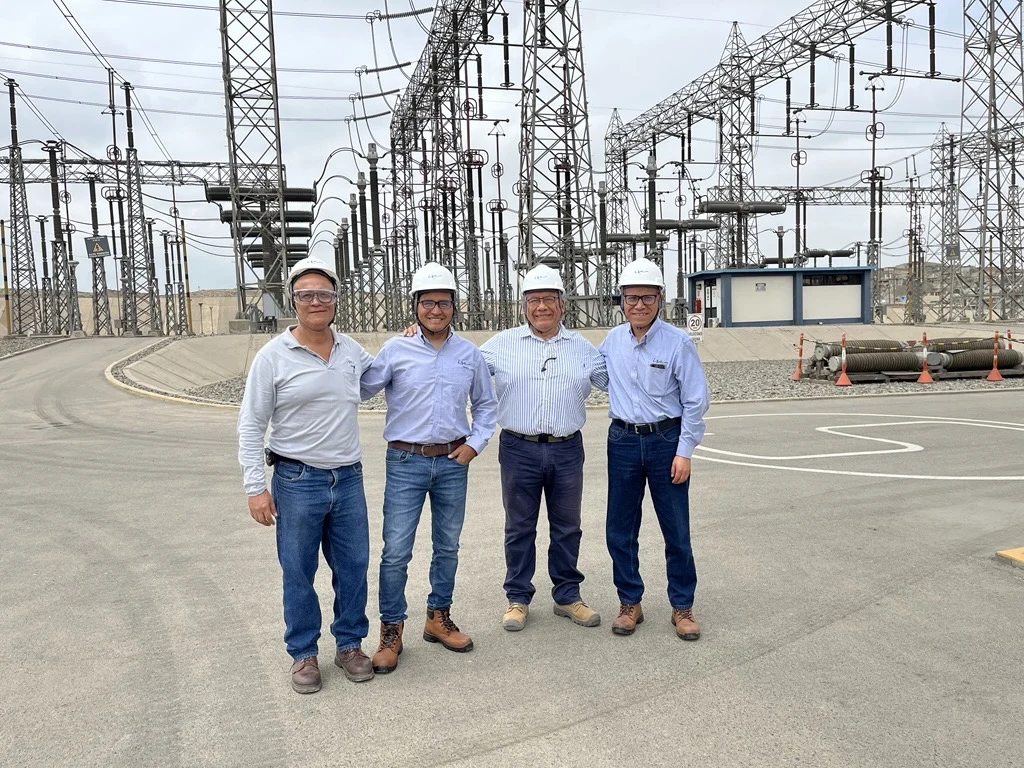
The project, executed in close coordination with the Committee for the Economic Operation of the System (COES), focuses on the high-voltage 500 kV transmission corridors that serve as the backbone of northern energy distribution. By utilizing state-of-the-art protection, control, and telecommunications equipment, the system is engineered to detect network anomalies and execute corrective actions in less than one second, effectively mitigating the risk of cascading failures or regional blackouts.
The Technical Scope: Securing the 500 kV Corridor
The infrastructure involved in this initiative is vast, spanning several key departments and critical connection points. The ERA project integrates a complex web of high-voltage transmission lines and substation hubs that facilitate the flow of electricity from the central region toward the northern provinces.
Key Transmission Lines
The primary scope of the project covers three major 500 kV arteries:
- Carabayllo – Chimbote Nueva (L-5006): A vital conduit for power stability.
- Chimbote Nueva – Trujillo Nueva (L-5008): A critical link for northern industrial hubs.
- Trujillo Nueva – La Niña (L-5010): Extending the reach of the high-voltage network into the far north.
Integrated Substation Network
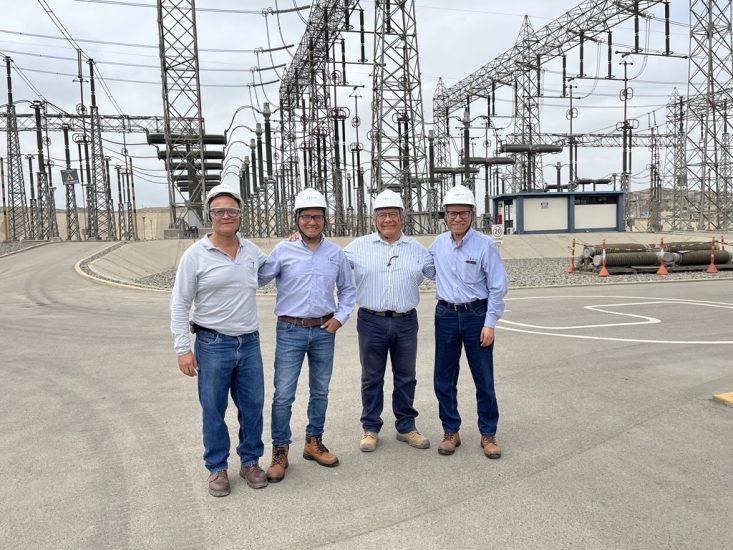
The operational success of the ERA depends on the synchronization of several key substations, including Chimbote Nueva, Trujillo Nueva, Chiclayo, and La Niña. These facilities are not only the nerve centers for the 500 kV lines but also interface with secondary 220 kV and 138 kV networks, ensuring that the remediation scheme has a holistic view of the regional energy flow. By embedding the ERA into these nodes, ISA ENERGÍA ensures that if a disturbance occurs, the system can autonomously isolate affected segments or rebalance loads to prevent a complete collapse of the regional grid.
Chronology of Development and Implementation
The path to this implementation has been one of rigorous planning and technical validation.
- Phase I: Strategic Planning (Pre-2026): ISA ENERGÍA, in collaboration with COES, identified the vulnerability of the northern grid to rapid-onset events. Engineering teams performed extensive simulations to model how the system would react to various "N-1" and "N-2" contingencies (the loss of one or more major transmission elements).
- Phase II: Design and Procurement: Technical specifications were finalized to meet the stringent requirement of sub-one-second response times. This involved the acquisition of specialized hardware capable of instantaneous data processing.
- Phase III: Execution and Live Integration: The implementation phase involved installing equipment within existing, active substations. This is a complex engineering feat that requires "hot" maintenance—performing upgrades without interrupting the ongoing supply of electricity to the northern grid.
- Phase IV: Testing and Commissioning: Throughout the ongoing implementation, ISA ENERGÍA has conducted rigorous testing of the automation logic. To date, all maneuvers have been completed without a single incident, accident, or unscheduled power outage, proving the maturity of the company’s operational processes.
Official Perspective: The Voice of ISA ENERGÍA
The importance of this project cannot be overstated, particularly in a country where regional growth is tethered to the availability and stability of electricity.
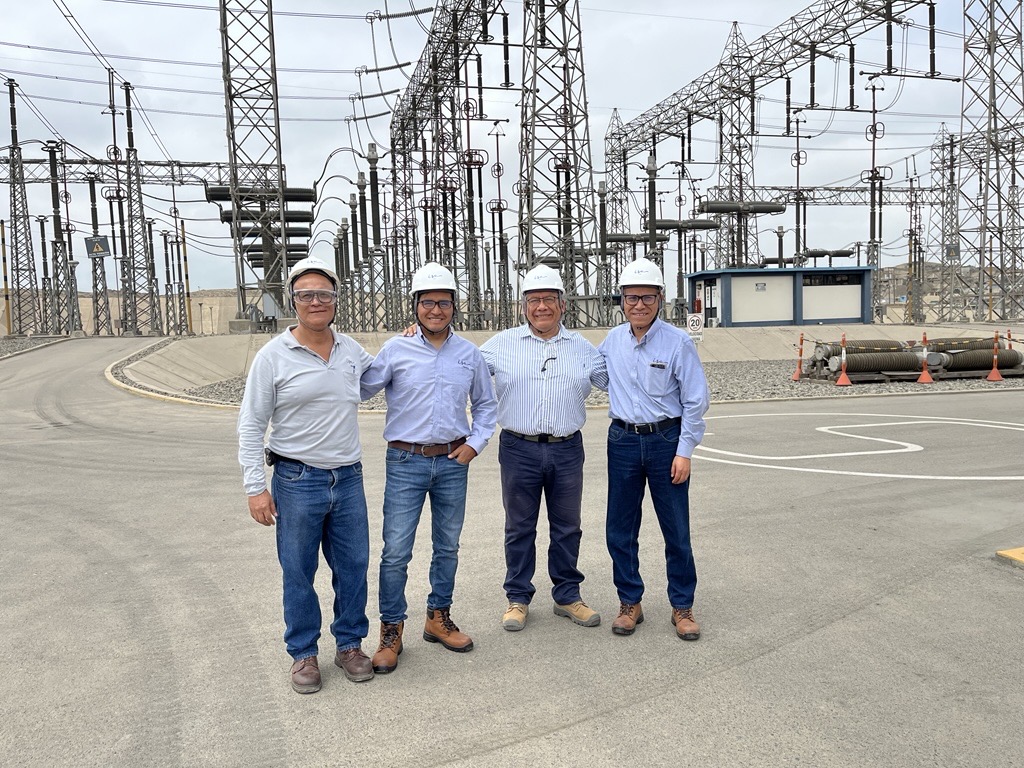
Yov Restrepo, Manager of Operation and Maintenance at ISA ENERGÍA, emphasized the strategic nature of the ERA:
"Contar con tecnología que permita detectar una contingencia y actuar de manera automática en menos de un segundo fortalece nuestra capacidad de respuesta y contribuye a proteger la estabilidad del sistema eléctrico del norte del país."
(Translation: "Having technology that allows us to detect a contingency and act automatically in less than a second strengthens our response capacity and contributes to protecting the stability of the northern country’s electrical system.")
This official stance highlights a shift in industry best practices: moving from reactive human-led interventions to proactive, machine-speed automated responses. In the modern era of energy, where millisecond fluctuations can result in massive economic loss, this level of automation is no longer a luxury but a fundamental requirement for grid operators.
Socio-Economic Implications: Protecting Essential Services
The impact of this initiative extends far beyond the technical specifications of the power grid. A stable electrical supply is the lifeblood of modern society, and the northern region of Peru—stretching from Chimbote to Tumbes—is a vital hub for agriculture, mining, and industrial manufacturing.
Safeguarding Essential Services
The implementation of the ERA is a direct investment in public welfare. By preventing or significantly reducing the impact of grid failures, the project provides a safety net for:
- Healthcare Facilities: Hospitals and clinics, which rely on continuous power for surgical units, life-support systems, and vaccine storage.
- Water and Sanitation: Pumping stations and water treatment plants that require stable power to prevent contamination and ensure consistent supply to urban populations.
- Telecommunications: The digital backbone of the modern economy, which is highly sensitive to voltage sags and total power loss.
Protecting Economic Productivity
The northern provinces are major drivers of Peru’s GDP. Any unplanned blackout results in significant losses for the agro-industrial sector, which requires steady power for refrigeration and processing, and the mining industry, which needs constant energy for extraction and safety protocols. By ensuring that the "lights stay on" even during a transmission event, ISA ENERGÍA is protecting the investment climate and the livelihoods of thousands of citizens.
Supporting Data: ISA ENERGÍA’s National Footprint
To understand why ISA ENERGÍA is uniquely positioned to carry out this project, one must look at their broader role in the Peruvian energy market. With over 24 years of operational history in the country, the company has become synonymous with energy transmission excellence.
- Market Reach: The company operates a network covering 21 regions of Peru.
- Infrastructure Scale: Its portfolio includes over 12,000 kilometers of transmission lines and 90 high-voltage substations.
- Market Dominance: ISA ENERGÍA manages approximately 71% of the total transmission market in Peru.
- Corporate Structure: Operations are conducted through three primary entities:
- Consorcio Transmantaro S.A.
- Interconexión Eléctrica ISA Perú S.A.
- Consorcio Eléctrico Yapay S.A.
These entities, managed through the central "Red de Energía del Perú S.A.," provide an integrated suite of services, from the construction of massive infrastructure to the intricate, daily maintenance of high-voltage grids.
Future Outlook: A More Resilient Grid
The ERA implementation is a benchmark for the future of energy in Peru. As the country moves toward a more diverse energy mix—integrating more intermittent renewable sources like wind and solar—the grid will require even higher levels of "smart" management.
The successful integration of this automatic remediation technology provides a roadmap for future expansions. By proving that advanced digital protection systems can be deployed safely within active, critical infrastructure, ISA ENERGÍA has demonstrated the technical capability to scale these solutions to other vulnerable points in the national system.
As the northern regions of Peru continue to develop, the presence of a robust, self-healing power network will be a decisive factor in attracting foreign investment and improving the quality of life for millions of residents. The collaboration between ISA ENERGÍA and the COES stands as a testament to the power of strategic planning and technical innovation in the pursuit of national energy security.
Disclaimer: This report is based on information provided by ISA ENERGÍA and highlights the ongoing infrastructure improvements as of the current reporting period. All maintenance activities are subject to ongoing regulatory oversight by the relevant Peruvian authorities.