In a significant leap toward climate resilience, the Peruvian financial sector is undergoing a quiet but profound transformation. Backed by the French Development Agency (AFD) and in close collaboration with the Peruvian Federation of Municipal Savings and Credit Banks (FEPCMAC), a new generation of financial products—parametric insurance—is being engineered to provide a safety net for thousands of vulnerable citizens, particularly in the agricultural sector.
This initiative aims to replace the slow, bureaucratic process of traditional damage verification with a streamlined, automatic indemnity system triggered by objective, scientific data. As Peru remains highly susceptible to extreme weather events such as the El Niño phenomenon, floods, and droughts, this shift represents a vital evolution in how the country manages disaster risk.
1. The Core Innovation: Moving Beyond Traditional Claims
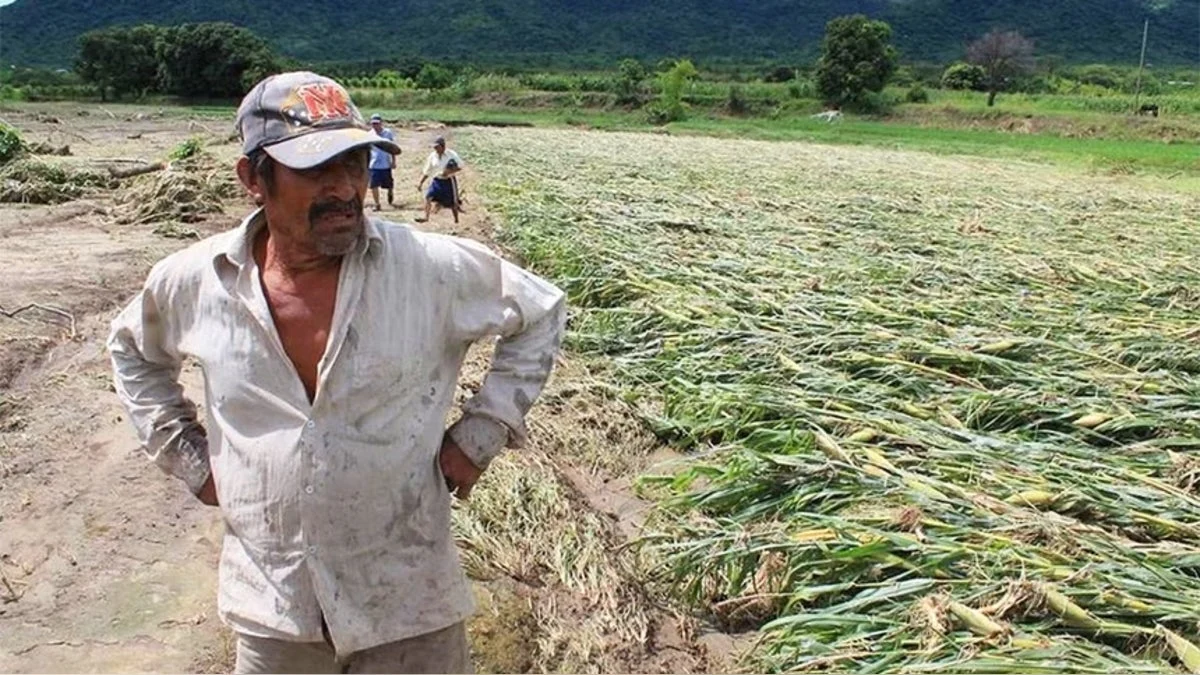
The fundamental difference between traditional insurance and the emerging parametric model lies in the "trigger." Under the current traditional framework, if a farmer’s crops are destroyed by a flood, they must file a claim, wait for an adjuster to visit the site, document the losses, and navigate a lengthy evaluation process before receiving compensation.
In contrast, parametric insurance operates on pre-defined triggers. If a specific, measurable threshold is met—such as rainfall exceeding a certain volume in millimeters, a seismic magnitude above a set level, or temperatures hitting an extreme heat index—the insurance policy automatically activates. There is no need for physical inspection; the verification is based on independent, high-quality data sources (such as satellite imagery or meteorological stations).
The "Speed of Relief" Advantage
For small-scale farmers and micro-entrepreneurs who form the backbone of the clientele for Municipal Savings and Credit Banks (Cajas Municipales), time is a luxury they do not have. Many of these individuals operate with limited liquidity. A delay of several months to receive an insurance payout can lead to catastrophic financial ruin. By automating the payout, the AFD and FEPCMAC hope to inject capital into the affected regions almost immediately after a disaster, allowing families to recover, replant, or pay down debts before a crisis turns into a permanent insolvency.
2. Chronology: From Regulatory Framework to Field Implementation
The path to this innovation has been methodical, involving regulatory foresight and strategic international partnerships.
- September 2024: The Superintendence of Banking, Insurance, and Private Pension Funds (SBS) officially approved the Regulation of Parametric Insurance. This set the legal ground rules for designing, marketing, and managing these products within the Peruvian market.
- Late 2024 (Ongoing): The AFD, under the leadership of Xavier Mesnard (Director for Peru), began financing technical studies to define the specific parameters, data sources, and thresholds required to make these products viable.
- Current Phase: The FEPCMAC is working alongside regional managers—such as Luis Lezama of Caja Huancayo in Cusco—to measure the feasibility of these products among their rural customer base.
- Future Outlook: The focus is currently on the design phase, with an eye toward rolling out pilot programs that target specific high-risk geographical zones.
3. Supporting Data and the "Climate Risk" Landscape
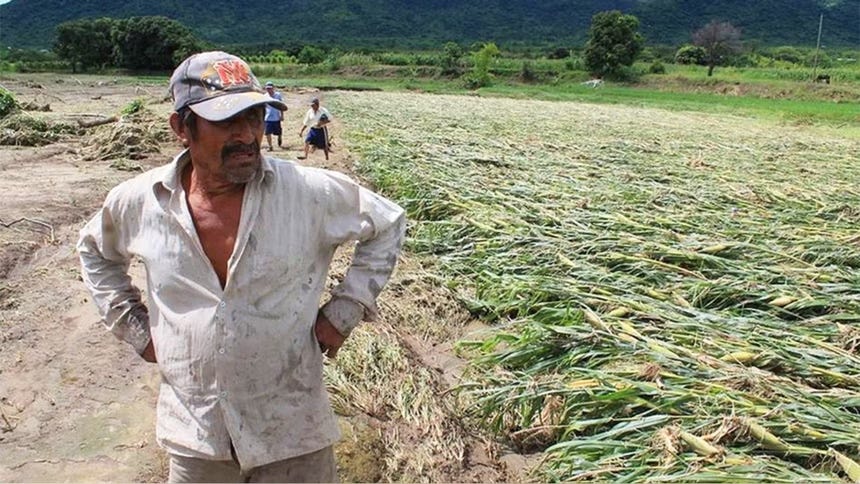
Peru’s geography makes it a prime candidate for parametric solutions. With three distinct climatic zones—the arid coast, the high-altitude Andes, and the tropical Amazon—risks are highly localized.
The Vulnerability of the Agricultural Sector
According to industry reports, a substantial portion of the clients served by the Municipal Savings and Credit Banks are involved in agricultural production. These clients are disproportionately exposed to climatic volatility. Recent data regarding the El Niño phenomenon highlights the vulnerability of the national economy, with the fishing and agro-industrial sectors suffering significant contractions due to unseasonal weather patterns.
The Role of AFD Funding
The French Development Agency (AFD) is not merely providing capital; it is providing expertise. Xavier Mesnard emphasized that the AFD is offering a "baseline" of international best practices. The goal is to ensure that the parameters used to trigger payments are scientifically robust and independent.
"We are providing the foundation," Mesnard explained. "However, each financial institution must tailor the specific characteristics of the insurance to their regional reality, as the risks in the Andes are vastly different from those on the northern coast."
4. Official Responses and Stakeholder Perspectives
The View from the French Development Agency (AFD)
Xavier Mesnard notes that the AFD’s involvement is driven by a commitment to sustainable development. By using non-reimbursable funds to finance the design phase, the agency is helping to mitigate the "entry cost" that usually prevents smaller financial institutions from developing complex insurance products. The goal is to create an "ecosystem" where parametric insurance is a standard offering rather than an experimental luxury.
The Perspective of the Financial Sector (FEPCMAC)
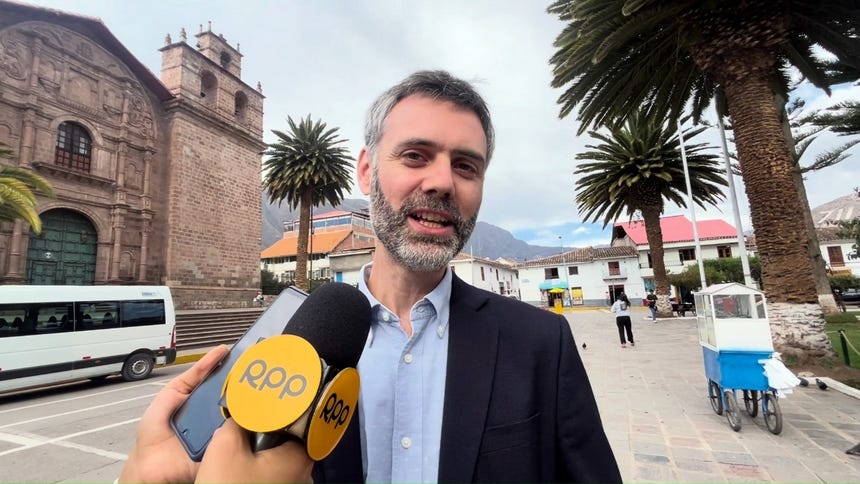
For the Municipal Savings and Credit Banks, this is a strategic move to protect their loan portfolios while simultaneously fulfilling a social mandate. Luis Lezama, regional head of Caja Huancayo in Cusco, notes:
"The work is already underway. Our agency managers and regional offices are conducting continuous meetings to refine our service model. We have a very promising outlook—though it is still in its infancy, we are committed to advancing this significantly."
Lezama’s sentiment reflects the general mood among the Cajas: there is a high degree of interest in formalizing these tools to provide a more reliable safety net for rural borrowers.
5. Strategic Implications for the Peruvian Economy
Enhancing Financial Inclusion
The introduction of parametric insurance is a major win for financial inclusion. By protecting the assets of rural farmers, the banks are effectively securing their own loan books. When a farmer is protected against climate shocks, they remain a "good" borrower even in bad years. This prevents the cycle of debt-default-poverty that often follows major natural disasters.
A New Standard for Crisis Management
The implications for the broader economy are profound. If the private sector, through these insurance products, can handle the immediate financial shock of a disaster, the state’s burden for emergency humanitarian aid may be reduced. This allows the government to focus its limited resources on long-term infrastructure and recovery rather than emergency survival support.
Tailoring to Regional Reality
As the SBS regulation mandates, these products must be "geographically specific." A product designed for a coffee producer in the high jungle must be fundamentally different from a product designed for a grape exporter on the coast. The current research being funded by the AFD is focusing heavily on this "localization" of data. Whether it is measuring soil moisture levels for drought protection or wind speeds for hurricane-like damage, the accuracy of the data will be the final determinant of success.
Conclusion
The collaboration between the AFD and the FEPCMAC is a pioneering effort in Latin America. By leveraging the flexibility of the new SBS regulatory framework, they are moving the insurance industry away from the reactive model of the past and toward a proactive, data-driven future.
While the program is still in its design and testing phase, the commitment from both the regional banks and the international development community suggests that parametric insurance will soon become a fundamental component of the Peruvian financial landscape. For the rural farmer in the Andes or the entrepreneur in the desert, this transition could mean the difference between a temporary setback and the total loss of their livelihood. As the technical parameters are finalized, the message to the market is clear: the future of climate resilience in Peru is fast, automatic, and data-driven.