By ProActivo Editorial Team
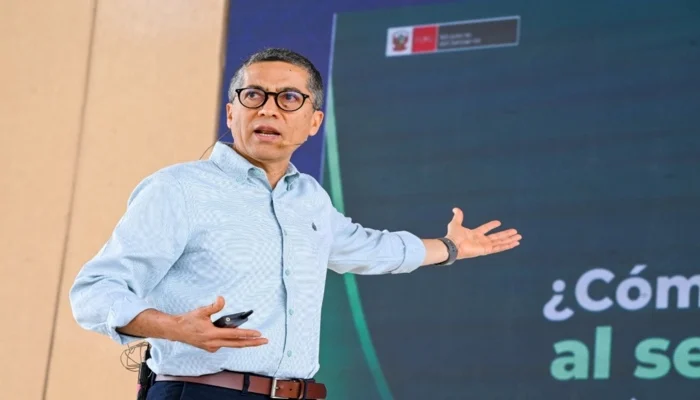
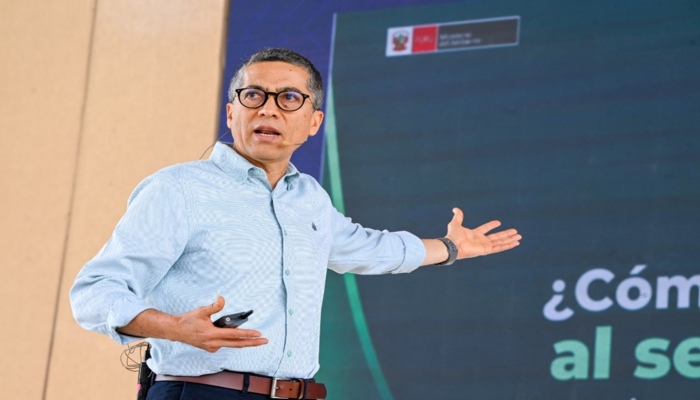
In a strategic move to reposition Peru as a global leader in sustainable development, the Ministry of the Environment (Minam) has unveiled a comprehensive roadmap aimed at synchronizing the nation’s immense natural heritage with aggressive climate action and private sector investment. The initiative, presented by Vice Minister of Strategic Development of Natural Resources, Fernando León Morales, at the Cumbre Perú Sostenible 2026, marks a paradigm shift in how the Andean nation views its environmental assets—not merely as resources to be preserved, but as dynamic catalysts for economic competitiveness.
The Core Objective: Transforming Assets into Economic Drivers
At the heart of the Minam’s strategy is a fundamental reassessment of Peru’s biodiversity. Addressing business leaders and stakeholders at the summit, Fernando León Morales emphasized that conservation is no longer a peripheral environmental concern; it is a core pillar of modern macroeconomic strategy.
"The natural heritage of Peru is not just something we must conserve. It is a vital asset that we can put to work in a sustainable manner," León stated. "Our objective is to bridge the gap between this vast heritage and the necessary investment, innovation, and global markets required to sustain it."
The Minam has announced an ambitious goal: to mobilize US$ 5,800 million by 2030. This capital is earmarked for projects that integrate climate resilience, ecosystem preservation, and long-term sustainable development, effectively creating a "green pipeline" for both domestic and international investors.
Chronology of Institutional Progress: From Strategy to Execution
The path to the 2026 summit did not emerge in a vacuum. It is the result of a five-year concerted effort by the Peruvian government to professionalize its environmental governance and market integration.
- 2021–2023: Foundation Building. During this period, the Ministry focused on establishing the Huella de Carbono Perú platform and formalizing the first wave of MERESE (Mechanisms of Remuneration for Ecosystem Services) agreements.
- 2024: Scaling Up. The government transitioned from pilot projects to regional scaling, focusing on Amazonian climate initiatives, which successfully mobilized approximately US$ 500 million in territorial climate action.
- 2025: Market Integration. Efforts were concentrated on aligning Peruvian standards with international compliance frameworks, particularly the Paris Agreement, leading to the initiation of bilateral carbon market negotiations.
- 2026 (Present): The Institutionalization of Green Growth. With the launch of the "Nature, Climate, and Sustainable Investment" coordination space, the Ministry is now prioritizing the removal of bureaucratic bottlenecks and the creation of a seamless interface between state policy and private capital.
Supporting Data: The Metrics of Transformation
The shift toward sustainability is backed by hard data that suggests the Peruvian market is rapidly maturing.
The Rise of Sustainable Enterprise
Currently, there are over 170 recognized sustainable ventures and nearly 400 biodiversity-linked products and services operating across 18 regions of the country. The government’s goal is to scale this to 1,500 "green businesses" by the end of the decade, providing them with enhanced access to green credit and venture capital.
Ecosystem Services (MERESE)
The MERESE framework, which creates a financial incentive for the protection of water sources and natural landscapes, has become a cornerstone of rural development. With 45 active agreements spanning 14 regions and over S/ 40 million (approx. US$ 10.5 million) in committed funds, the model is proving to be a scalable solution for local climate resilience.
Corporate Carbon Accountability
The Huella de Carbono Perú (Peru Carbon Footprint) platform has become the gold standard for corporate environmental reporting.
- Total Registered Organizations: 3,010.
- Private Sector Participation: 87% of all registered entities are private corporations.
- Measurement and Reduction: 2,058 organizations have successfully measured their carbon footprint, 172 have verified emission reductions, and 78 have reached the coveted "Reduction+" status.
Official Response and Policy Shift
Vice Minister León Morales was clear in his assessment of the corporate landscape: "Sustainability is no longer just an environmental agenda; it is a competitiveness agenda. A company that understands its risks, optimizes its resource use, and reduces its emissions is fundamentally better prepared to compete in global markets."
The Ministry’s response to these challenges is twofold. First, they are acting as a facilitator by providing the data and regulatory clarity necessary for firms to make informed decisions. Second, they are actively acting as a matchmaker between institutional investors and bankable green projects.
"The role of the state is to generate information, instruments, and conditions," León noted. "Our objective is that anyone who wants to invest sustainably in Peru finds in Minam an ally, not an obstacle."
Markets of Carbon: A New Financial Frontier
Perhaps the most significant development announced at the summit is the focus on carbon markets. Peru is currently managing a portfolio of 12 major projects specifically designed to leverage international demand for high-quality carbon credits.
These projects carry the potential to reduce over 8 million tons of CO2 equivalent by 2030, representing a potential influx of US$ 250 million in direct financing. Furthermore, the government is finalizing bilateral agreements with Switzerland, Singapore, and South Korea, ensuring that Peruvian carbon credits meet the highest global standards for "real, measurable, and verifiable" reductions.
Implications for the Future: A Public-Private Synergy
The implications of this strategy are profound for both the national economy and the environment. By formalizing the "Nature, Climate, and Investment" coordination space, the Ministry is creating a permanent forum for private sector dialogue. This platform will serve to:
- Identify Bottlenecks: Address the specific legal and financial hurdles that currently prevent green capital from flowing into the Amazonian and Andean regions.
- Harmonize Standards: Ensure that domestic sustainability metrics align with international ESG (Environmental, Social, and Governance) criteria, making Peruvian ventures more attractive to global investment funds.
- Drive Innovation: Incentivize the development of technologies that allow for the sustainable extraction and management of natural resources, moving the country away from a purely extractive model toward a regenerative one.
The Competitive Advantage
As global markets shift toward "net-zero" mandates, nations that possess both the natural capacity for carbon sequestration and the regulatory infrastructure to commoditize that service will have a distinct competitive advantage. Peru, with its unparalleled biodiversity and its aggressive adoption of transparency tools like the Huella de Carbono Perú, is positioning itself as a primary destination for the next generation of climate-conscious capital.
Conclusion: The Path Ahead
The Cumbre Perú Sostenible 2026 served as a declaration of intent: the Peruvian government has moved past the phase of conceptualizing sustainability and has entered the phase of industrial-scale implementation. With a clear roadmap, a portfolio of projects worth US$ 5.8 billion, and a newly established mechanism for public-private coordination, Peru is signaling to the world that its path to development is irrevocably tied to the health of its natural environment.
For the private sector, the message from the Minam is one of partnership. The risks of inaction—ranging from supply chain disruption to regulatory non-compliance—are being replaced by the opportunities of a "green" economy. As the country moves toward 2030, the synergy between nature, climate, and investment will likely become the defining narrative of Peru’s economic success story.