Executive Summary: Bridging Dialogue and Environmental Stewardship
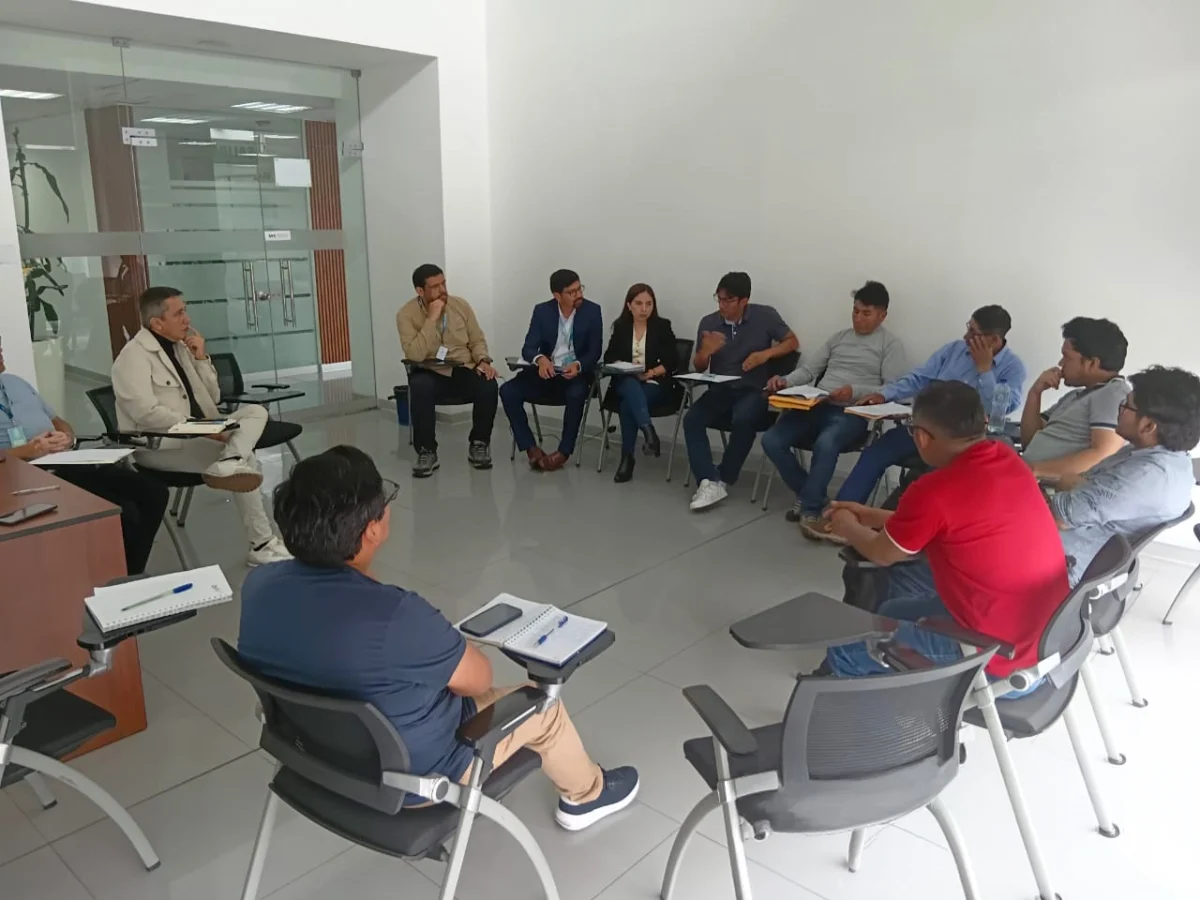
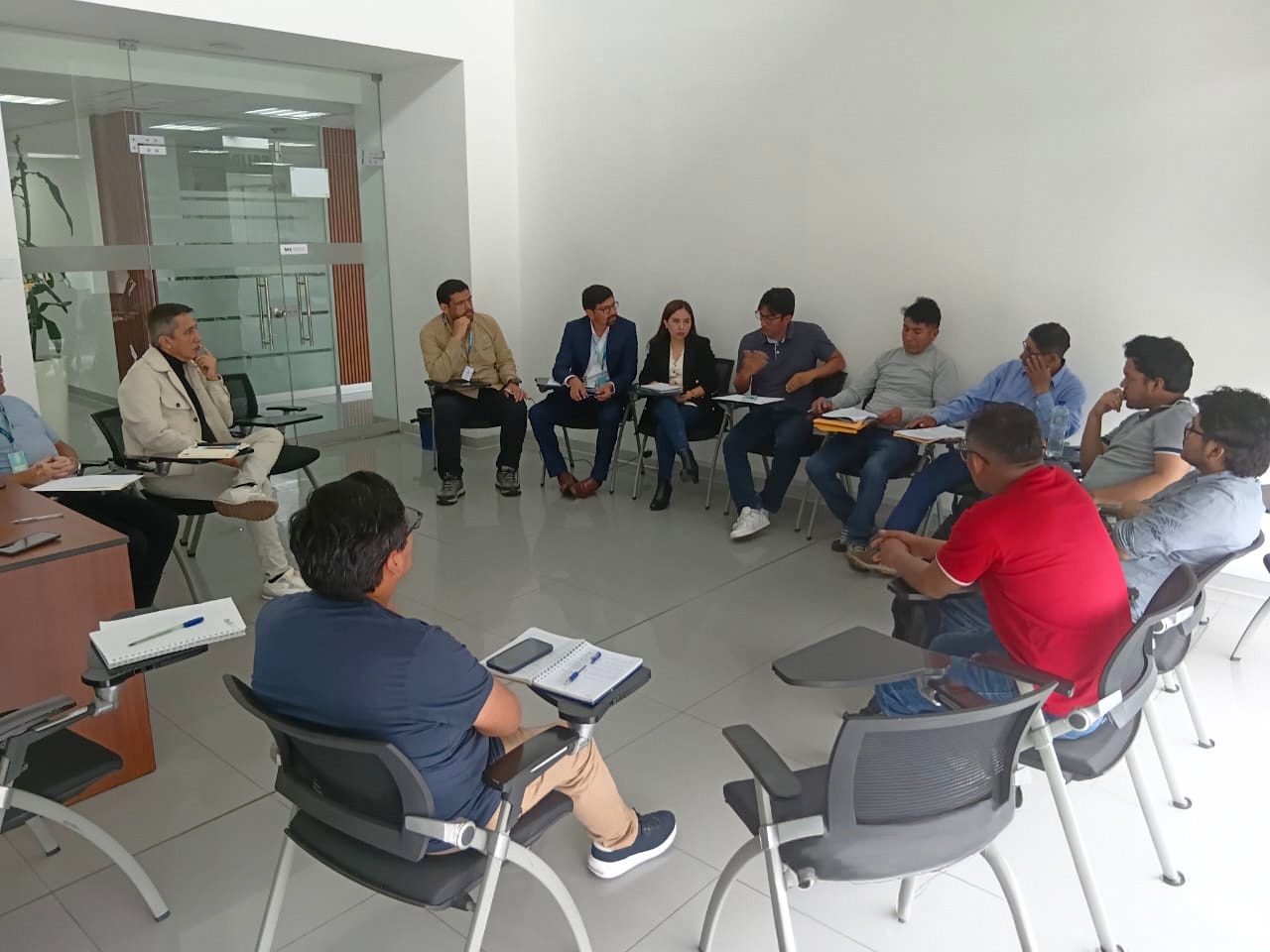
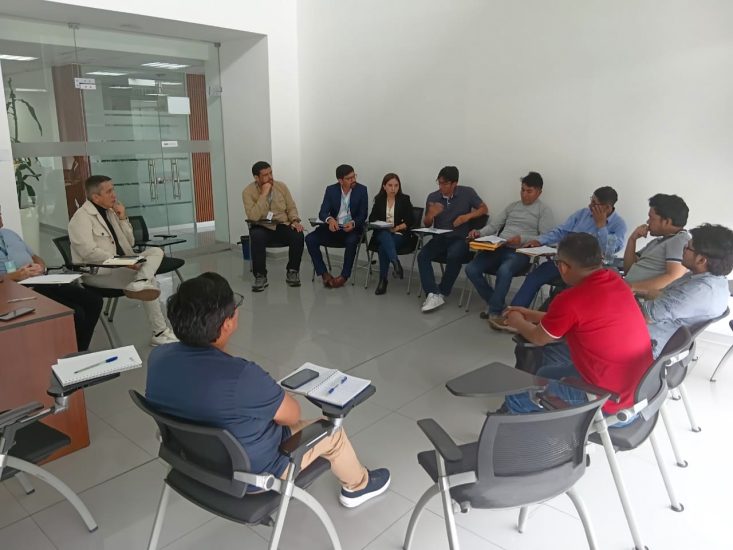
In a significant effort to strengthen environmental governance and social peace in the Cusco region, the Organismo de Evaluación y Fiscalización Ambiental (OEFA), an agency under the Peruvian Ministry of the Environment (MINAM), recently convened with representatives of the Huisa Peasant Community. The meeting, held in the district and province of Espinar, focused on the rigorous follow-up of institutional commitments derived from the prior consultation process regarding the "Antapaccay Expansion Tintaya – Integration Coroccohuayco" mining project.
This dialogue serves as a critical juncture in the relationship between the state, mining operators, and local communities. By addressing specific environmental oversight agreements, the OEFA seeks to restore transparency and ensure that industrial expansion does not come at the cost of the ecological health of the territory or the well-being of the inhabitants of Huisa.
Chronology of Commitments and Oversight
The relationship between the Huisa community and the state has been shaped by a series of structured agreements. These protocols are designed to ensure that the expansion of the Antapaccay mine adheres to both legal requirements and the social license granted by the community.
The Origin of the Agreements
The commitments currently under review were established during the prior consultation process, a mandatory legal mechanism intended to guarantee that indigenous communities are informed and involved in decisions affecting their ancestral lands. The agreements—numbered for clarity and accountability—serve as the roadmap for OEFA’s current interventions.
Key Milestones in the Follow-up Process
- Transparency in Supervision (Agreement No. 3): The community requested strict oversight of the Antapaccay mining unit. The OEFA confirmed that it has completed an unannounced inspection and has formally transferred its findings to the Ministry of Energy and Mines (MINEM) via official communication.
- Technological Integration (Agreement No. 4): The installation of real-time monitoring stations for air and water quality was a top priority. As of the latest update, two air quality monitoring stations have entered the preliminary operation phase.
- Participatory Governance (Agreement No. 5): The formation of a Participatory Environmental Monitoring Committee (CMAP) remains a cornerstone of the agreement, overseen by MINEM, with OEFA tasked to provide technical capacity building once the committee is formalized.
Supporting Data: Infrastructure and Technical Monitoring
Environmental monitoring is the backbone of public trust in mining-heavy regions like Espinar. The OEFA’s recent report highlights the technical status of the infrastructure currently being deployed.
Air Quality Monitoring
The two stations currently in the preliminary operation phase represent a significant step toward "real-time" transparency. These stations are designed to track particulate matter (PM10 and PM2.5) and other potential emissions linked to mining transport and extraction. By moving to a real-time data model, the OEFA aims to move away from reactive assessments toward predictive and immediate environmental management.
The Water Challenge
Water security is the most sensitive issue for the Huisa community. The delay in installing the two planned water monitoring stations has been a point of friction. The OEFA has acknowledged this shortfall and has pledged to continue high-level coordination to accelerate the implementation of these sensors. These stations are critical, as they will provide objective data on the impact of mining activities on local water sources, which are essential for agriculture and livestock in the Espinar highlands.
Official Responses and Institutional Perspectives
During the meeting, the OEFA emphasized its role as a technical body dedicated to impartial fiscalization. The representatives of the community, conversely, brought forward local anxieties that underline the importance of proactive environmental management.
The OEFA Stance
The agency reiterated its commitment to the "prior consultation" framework. By holding these meetings, the OEFA seeks to demonstrate that state oversight is not a one-time event but a continuous process. Regarding the transfer of findings to MINEM, the agency noted that its role is to provide the raw data and technical analysis, which then empowers the central government to take administrative or corrective actions against the mining company if violations are found.
The Community Perspective
The Huisa community representatives expressed a measured, yet firm, expectation of the state. While they acknowledged the OEFA’s willingness to engage, they pointedly requested an evaluation of the environmental quality in the Coyme area. This request is significant because it highlights the community’s concern regarding future expansion. The local leadership argues that "baseline data" must be established before any new activity begins, preventing the degradation of the area before environmental impact can be quantified.
Implications for the Peruvian Mining Sector
The situation in Espinar serves as a microcosm of the broader challenges facing the Peruvian mining industry.
The Shift Toward Participatory Oversight
The implementation of the Participatory Environmental Monitoring Committee (CMAP) marks a shift in the philosophy of environmental control in Peru. By involving the community in the monitoring process—from the selection of sampling points to the analysis of results—the state hopes to reduce the "information asymmetry" that often leads to social conflict. When communities understand the data, they are less likely to rely on rumors or misinformation, and more likely to hold the mining companies accountable based on scientific evidence.
Legal and Social Risks
For a project as large as the Antapaccay expansion, the social risk is as significant as the technical risk. If the agreements with communities like Huisa are not met with the urgency the locals expect, the project faces potential delays, protests, and reputational damage. The OEFA’s active intervention is, therefore, a risk mitigation strategy that protects the interests of all stakeholders, including the mining company, by ensuring that the project operates within a stable social and environmental framework.
The Role of Decentralized Governance
The coordination between the OEFA (the regulator), the MINEM (the sector authority), and the local community highlights the need for inter-agency cooperation. Often, mining conflicts are exacerbated by the perception that the state is fragmented. By aligning the oversight of the OEFA with the sector-specific mandates of the MINEM, the government is attempting to present a unified front.
Future Outlook: The Road Ahead
As the OEFA prepares to conduct training on water monitoring protocols, the community of Huisa stands ready to take a more active role in the oversight of their environment. The upcoming months will be crucial for the following reasons:
- Completion of Monitoring Infrastructure: The successful activation of the two remaining water stations will be the primary indicator of the state’s effectiveness in this engagement.
- Coyme Area Baseline: The OEFA’s response to the request for an environmental study in the Coyme zone will serve as a test of the agency’s capacity to respond to localized, site-specific community concerns.
- Institutional Continuity: As mining projects in Peru face longer lead times due to regulatory and social requirements, the ability of state agencies to maintain consistent communication with local populations will determine the feasibility of future mining investments.
Final Reflections
The meeting between the OEFA and the Huisa Peasant Community is more than just a bureaucratic update; it is a vital exercise in democracy and environmental justice. By acknowledging the community’s right to clean water, air, and participation, the state is taking the necessary steps to integrate large-scale industrial activity with the sustainable development of rural Cusco.
The success of the "Antapaccay Expansion" project will not be measured solely in tons of copper produced, but in the ability of the state and the industry to honor the commitments made to those whose lives are inextricably linked to the land. As the OEFA continues its work, the eyes of both the mining sector and environmental advocates remain on Espinar, waiting to see if this model of participatory oversight can successfully prevent conflict and protect the region’s fragile high-altitude ecosystems.