Executive Summary: A New Era for Chuquisaca’s Road Network
In a decisive move to bolster regional development, national, departmental, and municipal authorities in Chuquisaca, Bolivia, have officially signed a comprehensive commitment agreement to advance two high-priority road paving projects. The initiative, which marks a significant collaborative effort between the Bolivian Highway Administration (ABC), the Autonomous Departmental Government of Chuquisaca, and local municipal stakeholders, aims to modernize critical infrastructure that has long been a bottleneck for local commerce and transport.
The projects—the Arquillos-Tarabuquillo-Sopachuy road and the Triangular Cinteño Region (Section I: Saladillo-Culpina-Incahuasi-Villa Charcas)—are set to undergo a rigorous technical and financial overhaul. By updating pre-investment studies and securing intergovernmental funding, the government seeks to mitigate the risks associated with market volatility and ensure the long-term viability of these essential corridors. The construction phase is slated to be executed through a direct inter-institutional delegation to the Departmental Road Service (Sedcam) of Chuquisaca.
Chronology: From Negotiation to Commitment
The road to this agreement has been paved with years of advocacy from local transport unions and municipal leaders who have long argued that the lack of paved infrastructure stifles the economic potential of the Cinteño region and the province of Belisario Boeto.
- Preliminary Consultations: Over the past months, multiple technical roundtables were held, involving the ABC and municipal representatives from Culpina, Incahuasi, and Villa Charcas. These meetings focused on identifying the specific engineering challenges presented by the rugged topography of the region.
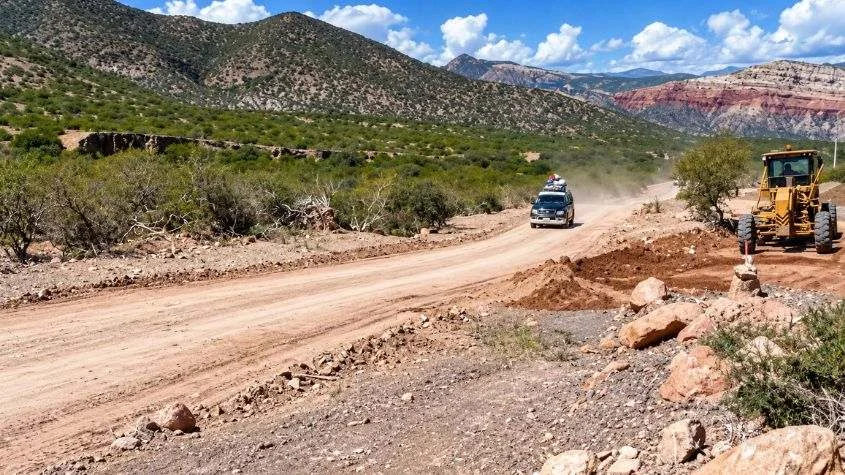
- Stakeholder Integration: A pivotal meeting took place recently, gathering concejales (council members) and leaders from the regional transport sector. Their input was crucial, as they provided first-hand accounts of the logistical hazards currently faced by heavy transport vehicles on the existing earth roads.
- The Agreement Signing: The formalization of the commitment occurred as all parties recognized the need for a unified strategy. By signing the official act, the participants effectively moved from the "discussion phase" to the "execution mandate phase."
- Upcoming Milestones: The immediate next steps involve the updating of technical pre-investment designs, followed by the formal request for concurrent funding from the central government, setting the stage for the groundbreaking ceremonies expected in the coming construction cycle.
Supporting Data: Engineering and Economic Scope
The infrastructure projects are not merely aesthetic upgrades; they are structural necessities. The technical challenges involved in these regions are significant, requiring sophisticated engineering solutions to handle the high-altitude terrain and unpredictable rainfall patterns characteristic of Chuquisaca.

Technical Pre-investment Updates
A critical component of the agreement is the mandatory update of the Technical Pre-investment Design Studies. Given the global inflationary trends and the local price variations in construction materials—specifically asphalt, steel, and cement—the original budgets calculated in previous years are no longer viable. The project will recalibrate costs to reflect "current market conditions," ensuring that the bidding process for materials is realistic and avoids the common pitfall of "abandoned work" due to underfunding.
Scope of the Two Major Corridors
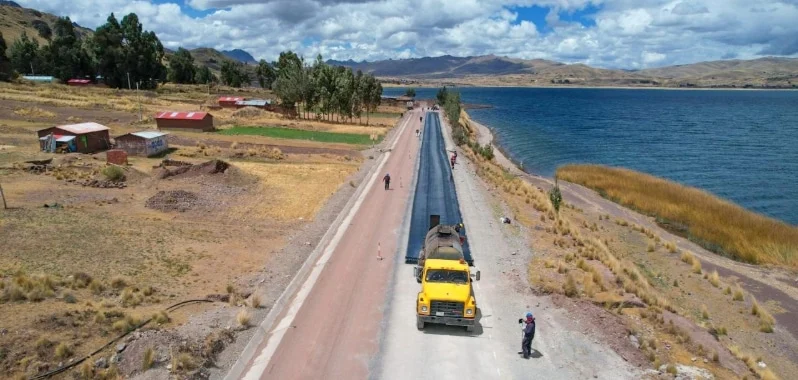
- Arquillos-Tarabuquillo-Sopachuy: This route serves as a vital artery for agricultural distribution. By paving this stretch, the travel time for local farmers transporting goods to the capital, Sucre, is expected to decrease significantly, reducing fuel consumption and vehicle maintenance costs.
- Triangular Cinteño (Section I): This project encompasses a network connecting Saladillo, Culpina, Incahuasi, and Villa Charcas. This region is a significant hub for production, and the current state of the roads serves as a deterrent to private investment and large-scale agricultural transport. The pavement of this triangle is projected to integrate these municipalities more effectively into the national market.
Official Responses and Stakeholder Perspectives
The success of these projects hinges on the synergy between the central and regional governments. The participation of the Administradora Boliviana de Carreteras (ABC) has been described as a "bridge-builder" between local needs and national policy.
The Role of Sedcam
A major highlight of the agreement is the decision to entrust the construction to Sedcam (Servicio Departamental de Caminos). This is a strategic move, utilizing the "inter-governmental contracting" modality. By bypassing private, third-party contractors and instead relying on the public departmental entity, the government aims to:
- Ensure greater transparency and accountability.
- Strengthen the technical capacity of local government agencies.
- Retain resources within the department to foster local employment and skill development.
Voices from the Field
Local transport representatives, who were vocal during the coordination sessions, expressed cautious optimism. "We have lived with the dust and the mud for too long," stated one regional transport leader. "The commitment to use Sedcam for the construction gives us confidence that the work will be prioritized based on our regional needs, rather than solely on corporate profit margins."

ABC technicians acknowledged the observations made by the transport unions, noting that the inclusion of local operational knowledge has led to a more robust engineering plan that addresses specific landslide-prone areas along the proposed routes.
Strategic Implications: Socio-Economic Transformation
The implications of these paving projects extend far beyond the asphalt itself. For a region like Chuquisaca, which relies heavily on agriculture and localized trade, road connectivity is the primary driver of the Human Development Index (HDI).
Enhancing Agricultural Logistics
The Cinteño region is known for its productivity, yet the "cost of distance" has historically prevented smallholder farmers from scaling their operations. By upgrading these roads to all-weather standards, the agricultural sector will see a reduction in post-harvest losses. Produce that once rotted on trucks stuck in mud will now reach markets in prime condition.
Reducing Regional Inequality
Infrastructure investment is a potent tool for reducing inequality. By connecting the remote municipalities of Incahuasi and Villa Charcas to the national trunk road system, the government is effectively decentralizing the economy. This connectivity will also facilitate better access to public services, such as healthcare and education, as travel times to provincial hospitals and regional colleges are drastically reduced.

Sustainability and Climate Resilience
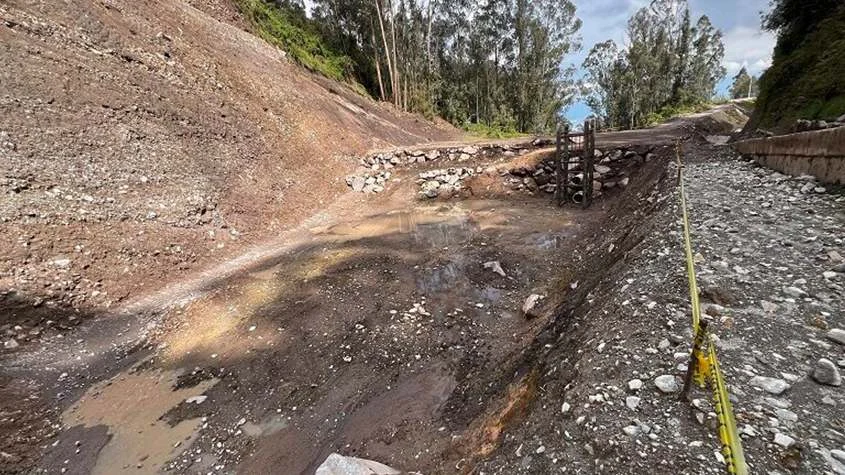
A key aspect of the updated technical studies is the integration of climate-resilient engineering. The design phase will now incorporate improved drainage systems and slope stabilization, acknowledging that climate change has increased the frequency of extreme weather events in the Andes. This foresight is intended to ensure that the infrastructure remains operational for decades, protecting the taxpayers’ investment.
Conclusion: A Collaborative Roadmap
The signing of the acta de compromiso in Chuquisaca serves as a blueprint for future infrastructure development in Bolivia. By prioritizing inter-institutional cooperation, formalizing the update of pre-investment studies, and empowering regional entities like Sedcam, the government is addressing the root causes of previous project failures.
As the authorities prepare for the next phase—the securing of concurrent funding from the central state—the mood in Chuquisaca is one of determined anticipation. The completion of these roads will not only transform the physical landscape of the region but will serve as a catalyst for long-term economic growth, improved social connectivity, and a more resilient, integrated departmental future. The eyes of the region are now on the implementation timeline, with the clear expectation that these paved roads will finally bridge the gap between promise and reality.