Executive Summary: A Catalyst for Regional Development
In a significant effort to bolster regional connectivity and economic integration, the Regional Government of Cusco, through the Plan COPESCO, is overseeing the comprehensive improvement of the highway connecting the districts of Langui, Layo, and Kunturkanki in the province of Canas. This ambitious infrastructure project, representing an investment of S/ 197 million, is set to redefine the logistics and social landscape for thousands of residents in one of the most critical high-altitude corridors of the Cusco region.
Spanning 41.50 kilometers of roadway, the project has now reached a physical progress milestone of 40.57%. By transforming what were previously challenging transit routes into modern, paved surfaces, the regional government aims to slash travel times, increase vehicle safety, and provide a direct lifeline for local agricultural and commercial activities.
The Strategic Importance of the Project
The province of Canas has long suffered from infrastructure deficits that hindered its economic potential. The current intervention is not merely a paving project; it is a strategic maneuver to integrate rural production centers with regional and national markets.
Key Technical Data
- Total Investment: S/ 197 million.
- Project Length: 41.50 kilometers.
- Current Progress: 40.57%.
- Beneficiaries: 11,402 inhabitants.
- Employment Impact: Over 500 direct jobs created.
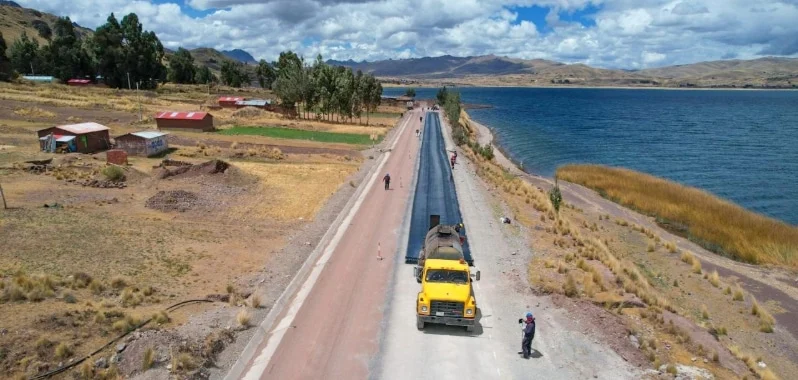
The project is currently in a critical phase of development, with intensive "imprimado" (priming) works underway. This process is essential for the stabilization of the road base, preparing the surface for the final asphalt layering that will ensure the durability of the road under harsh Andean climatic conditions.
Chronology: From Planning to Implementation
The road to this project’s fruition has been marked by meticulous planning and a phased approach to execution.

Phase 1: Conceptualization and Design (Pre-2023)
The project originated from the urgent need to address the isolation of the districts of Langui, Layo, and Kunturkanki. Following several years of regional advocacy and budgetary negotiations, Plan COPESCO finalized the technical studies, focusing on climate-resilient road engineering and topography-specific designs required for the high-altitude terrain of Canas.
Phase 2: Procurement and Deployment (2023-2024)
Once funding was secured through regional allocations, the bidding processes were initiated. The construction phase required the mobilization of heavy machinery and the establishment of local support infrastructure. A defining milestone of this phase was the installation of a state-of-the-art mobile asphalt plant directly within the province of Canas.
Phase 3: Current Status and Active Construction (2025-2026)
Currently, the project is operating at high intensity. The installation of the mobile plant, with a capacity of 120 tons per hour, has proven to be a masterstroke in logistics. By producing the asphalt mixture on-site, the project has effectively mitigated the risks associated with the long-distance transport of materials over rugged, unpaved Andean roads, thereby controlling costs and maintaining a steady workflow.
Engineering Excellence: The Mobile Asphalt Plant
One of the most impressive technical features of this project is the integration of a mobile asphalt plant. In the context of the Peruvian Andes, the logistics of road construction are often the primary cause of delays and cost overruns.
The decision to install this plant locally allows the engineering teams to produce high-quality asphalt mixture at a rate of 120 tons per hour. This speed ensures that the paving crews can work without the constant fear of supply chain interruptions. Furthermore, it significantly reduces the carbon footprint of the project, as heavy trucks do not need to transport hot mix over long, winding mountain passes, preventing premature cooling of the material and ensuring better adherence to the roadbed.

Economic and Social Implications
The impact of the Langui-Layo-Kunturkanki highway extends far beyond the construction phase.
Employment Generation
The project currently supports approximately 500 workers. By prioritizing local labor, the regional government has ensured that the economic stimulus provided by the S/ 197 million investment stays within the community. This infusion of wages is expected to have a multiplier effect, boosting local commerce, services, and small-scale agriculture in the province of Canas.
Enhancing Agricultural Logistics
Canas is a region rich in dairy, livestock, and traditional agriculture. However, transport costs and the physical degradation of produce due to poor road conditions have historically hindered farmers’ profits. A paved, modern highway will allow these producers to reach the regional capital, Cusco, and other major markets faster and with higher-quality goods, directly increasing their household incomes.
Tourism Potential
The province of Canas is home to significant natural beauty and cultural heritage. Improved connectivity is a fundamental prerequisite for tourism development. The new highway will allow for easier access to the Langui-Layo lagoon area, potentially opening the door for sustainable community-led tourism ventures that were previously inaccessible to casual travelers.
Official Perspective: The Role of Plan COPESCO
Plan COPESCO has positioned itself as a pivotal entity in the development of the Cusco region. By taking the lead on this project, the organization has demonstrated a capacity to manage large-scale infrastructure projects that bridge the gap between rural and urban centers.

Government officials have emphasized that this project is part of a broader vision for the decentralization of economic opportunity. By "closing the gap" in infrastructure, the regional government aims to ensure that no citizen, regardless of their location, is left behind due to a lack of basic transport connectivity.
Challenges and Future Outlook
Despite the steady progress, the team faces the inherent challenges of high-altitude construction, including unpredictable weather patterns and the complex geological nature of the Andean highlands. However, with over 40% of the project complete, the focus has shifted toward the final stages of the asphalt application.
The completion of this highway is expected to serve as a blueprint for future infrastructure projects in the Cusco region. By leveraging on-site production technology and prioritizing local labor, the government has created a sustainable model for regional development.
Long-term Benefits
- Reduced Vehicle Maintenance: Local transporters will see a significant drop in vehicle depreciation.
- Increased Safety: The incorporation of modern signage and road geometry will lower the frequency of accidents.
- Social Cohesion: Faster travel times between the three districts will foster better access to healthcare and educational services, which are typically concentrated in larger hubs.
Conclusion
The transformation of the Langui-Layo-Kunturkanki highway is a testament to the power of targeted infrastructure investment. As the project nears its mid-point and pushes toward completion, the residents of the province of Canas can look forward to a future characterized by better opportunities and greater connectivity.
The success of this project will likely serve as a benchmark for future regional initiatives, highlighting that with the right combination of engineering innovation and strategic planning, even the most isolated Andean communities can be integrated into the wider national economy. The Cusco Regional Government continues to monitor the project closely, ensuring that the final output meets the highest standards of safety and quality for the 11,402 citizens who will depend on this road for decades to come.