Introduction: A Critical Juncture for Executive-Legislative Relations
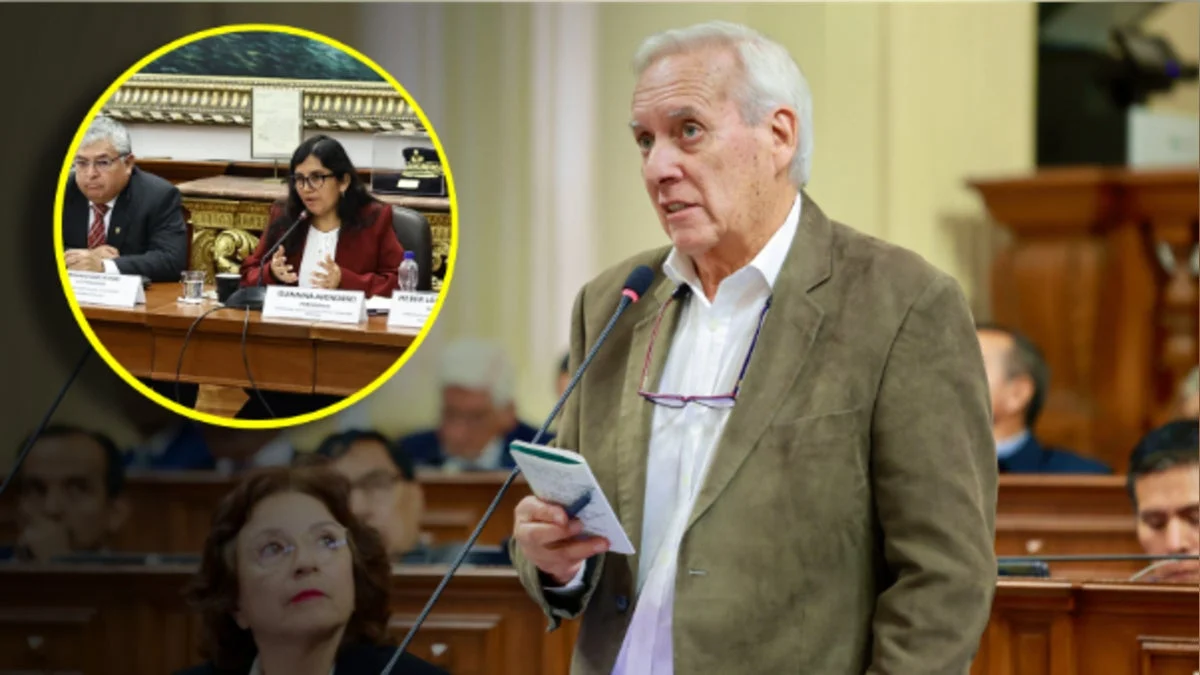
The political landscape in the capital is currently defined by a high-stakes legislative standoff as the Executive branch seeks broad delegation of powers to address urgent national crises. Senator Flavio Figallo, the spokesperson for the "Buen Gobierno" (Good Government) parliamentary bloc in the Upper House, has signaled a strategic shift, confirming that his party is open to supporting the Executive’s request for legislative faculties. Crucially, Figallo noted that this support may extend beyond the primary focus areas of public safety and the mitigation of the El Niño phenomenon, indicating a potential broadening of the government’s mandate to include modernization of the State and other structural reforms.
As the nation waits for a resolution, the tension between the legislative chambers and the Executive has intensified. With the Constitutional Committee of the Chamber of Deputies preparing to finalize its recommendations, the upcoming plenary session this week is expected to be a watershed moment for the current administration.
Chronology of the Legislative Standoff
The timeline of this legislative struggle reveals the complexity of the current administration’s relationship with the legislative branch:
- Initial Request: The Executive branch formally submitted its package for the delegation of legislative powers, citing an urgent need to bypass traditional bureaucratic hurdles to combat the rise in insecurity and prepare for the climate impacts of the El Niño phenomenon.
- The Week of Representation: A scheduled "week of representation" caused significant delays in the legislative calendar, frustrating government officials who viewed the delay as an unnecessary impediment to urgent policymaking.
- Monday’s Public Consultation: The Presidency of the Constitutional Committee held a controversial public hearing to gather citizen input on the delegation of powers—a move that Senator Figallo criticized as redundant and a waste of valuable time.
- Tuesday, September 29: The Constitutional Committee officially commenced high-level meetings to define the final scope of the delegated powers and reach an internal consensus on which specific areas will be granted to the Executive.
- The Impending Plenary: The Chamber of Deputies is now slated to meet in a plenary session this week to cast the final vote on the delegation request, marking the conclusion of weeks of debate and backroom negotiations.
Supporting Data: Complexity and Legislative Burden
Senator Figallo addressed the concerns regarding the perceived "slowness" of the Constitutional Committee, arguing that the delays are not a result of political stalling, but rather the sheer complexity of the Executive’s request.
"The workload of the Constitutional Committee has been overwhelming," Figallo stated. "We are not just looking at a standard request; we are looking at a package that is significantly larger and more complex than what has been seen in previous legislative sessions."
The Committee has been forced to distribute the massive legislative load across various sub-committees, leading to internal friction and administrative bottlenecks. Figallo noted that while the committee has been inclusive, inviting a wide variety of experts and stakeholders to provide technical testimony, the process has reached a point where further public consultation would only serve to hinder the government’s ability to act on the most pressing issues.
Official Responses and Strategic Consensus
The "Buen Gobierno" bloc has taken a pragmatic approach to the crisis. Figallo confirmed that his party has been in active dialogue with high-ranking government officials, including the Prime Minister, ministers, and technical advisors.
Bridging the Gap
"We are arriving at a consensus," Figallo explained. "We have worked with the ministers and viceministers to clarify the specifics of the El Niño response package. There are clearly defined spaces where we can support the Executive—specifically in matters relating to the National Institute of Civil Defense (INDECI) and the modernization of the State."
Figallo emphasized that his party’s stance has been consistent since the beginning of the legislative term: to meticulously vet each request while facilitating governance. "We said from day one that we would decide what to let through and what requires a broader debate in the Chamber of Deputies and the full Parliament."
The "Chávez Factor" and Intra-party Friction
A notable subplot in this legislative drama involves the internal dynamics of the Senate. Figallo expressed concern that the dialogue between the chambers has been "clouded" by the rhetoric of fellow Senator Martha Chávez.
According to Figallo, internal divisions within the Fuerza Popular party have spilled over into the broader debate, causing confusion regarding the role of the Senate in the current unicameral vs. bicameral discourse. "Senator Chávez maintains a perspective that the Senate should not exist, or at the very least, should have restricted powers. This creates a lack of clarity that hinders our ability to form a united front," Figallo asserted.
Implications: A New Era of Governance?
The implications of the upcoming vote are far-reaching. If the Executive succeeds in securing these delegated powers, it will have the authority to enact sweeping changes without the immediate need for floor debates on every individual policy.
Risks of Over-Delegation
Critics of the government argue that granting broad powers—especially in areas beyond security and climate—could lead to an overreach of the Executive branch. The concern is that the administration might use this "fast-track" mechanism to push through controversial economic or administrative reforms that would otherwise struggle to pass through the traditional parliamentary process.
The Necessity of Action
Conversely, supporters of the delegation, including Figallo, argue that the status quo is unsustainable. With the looming threat of the El Niño phenomenon and the persistent public outcry regarding crime, the traditional legislative pace is viewed as a threat to national stability. "We are willing to move forward because we recognize the urgency," Figallo remarked. "But we are doing so with a clear understanding of the boundaries of our constitutional responsibility."
Conclusion: The Path Forward
As the Chamber of Deputies prepares for its plenary session, the eyes of the nation are fixed on the potential for a breakthrough. The resolution of this impasse will not only dictate the government’s capacity to handle the upcoming climate and safety challenges but will also set a precedent for the relationship between the legislative and executive branches for the remainder of the term.
Whether the "Buen Gobierno" bloc’s support will be enough to secure a victory for the Executive remains to be seen. However, one thing is clear: the era of indefinite debate is coming to an end. The coming days will demand clarity, political courage, and a willingness to transcend party lines for the sake of national stability.
Summary of Key Political Stances
- Buen Gobierno (Flavio Figallo): Favors conditional support for the Executive, focusing on modernization and specific crisis-management faculties. Rejects the necessity of further public consultations as a stalling tactic.
- Executive Branch: Views the current legislative process as a hurdle to effective governance and is lobbying for a wide scope of delegated power to implement emergency measures.
- Constitutional Committee: Currently under immense pressure to reconcile the broad scope of the request with the legislative requirements of the Chamber of Deputies, having already held extensive expert hearings.
- Internal Opposition (Martha Chávez/Fuerza Popular): Represents a skeptical faction within the Senate that questions the legitimacy of the process and the balance of power between the Senate and the Executive.
As the political machinery turns this week, the outcome will likely serve as a defining moment for the current administration, testing its ability to manage both the crises of the nation and the volatile dynamics of the legislative halls.