By Editorial Staff
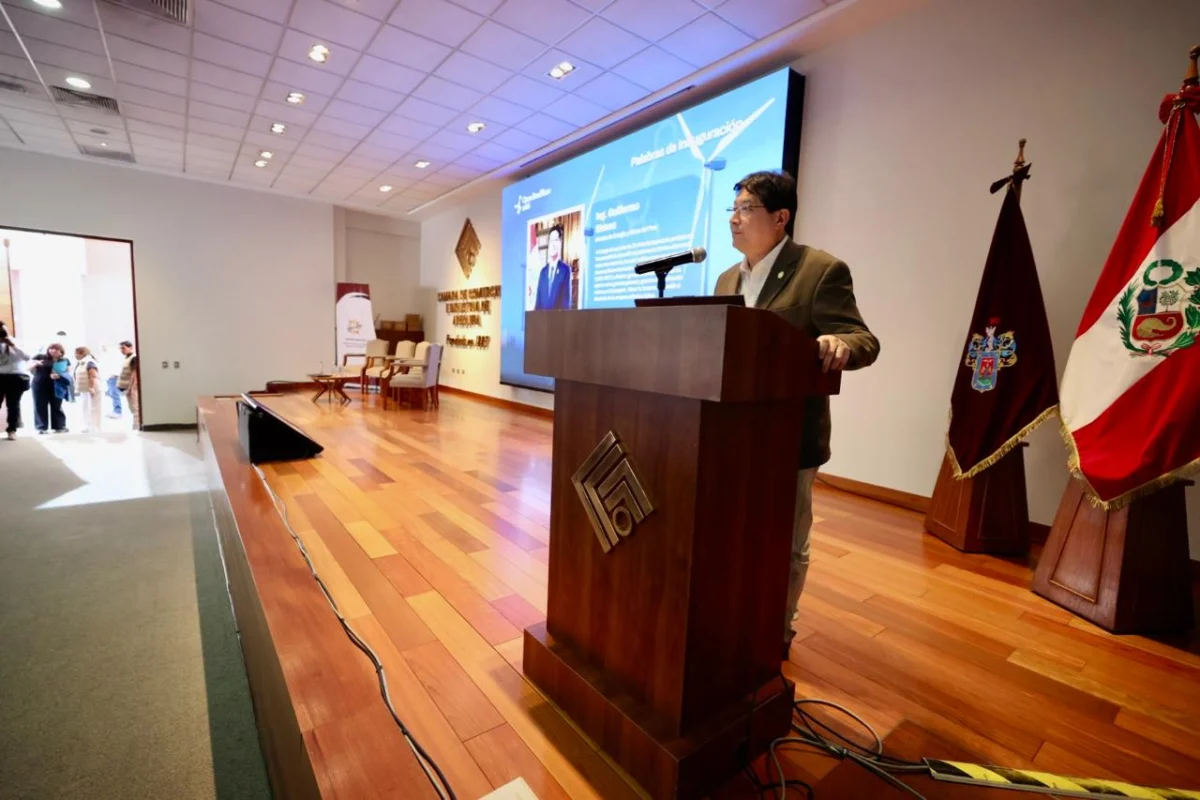
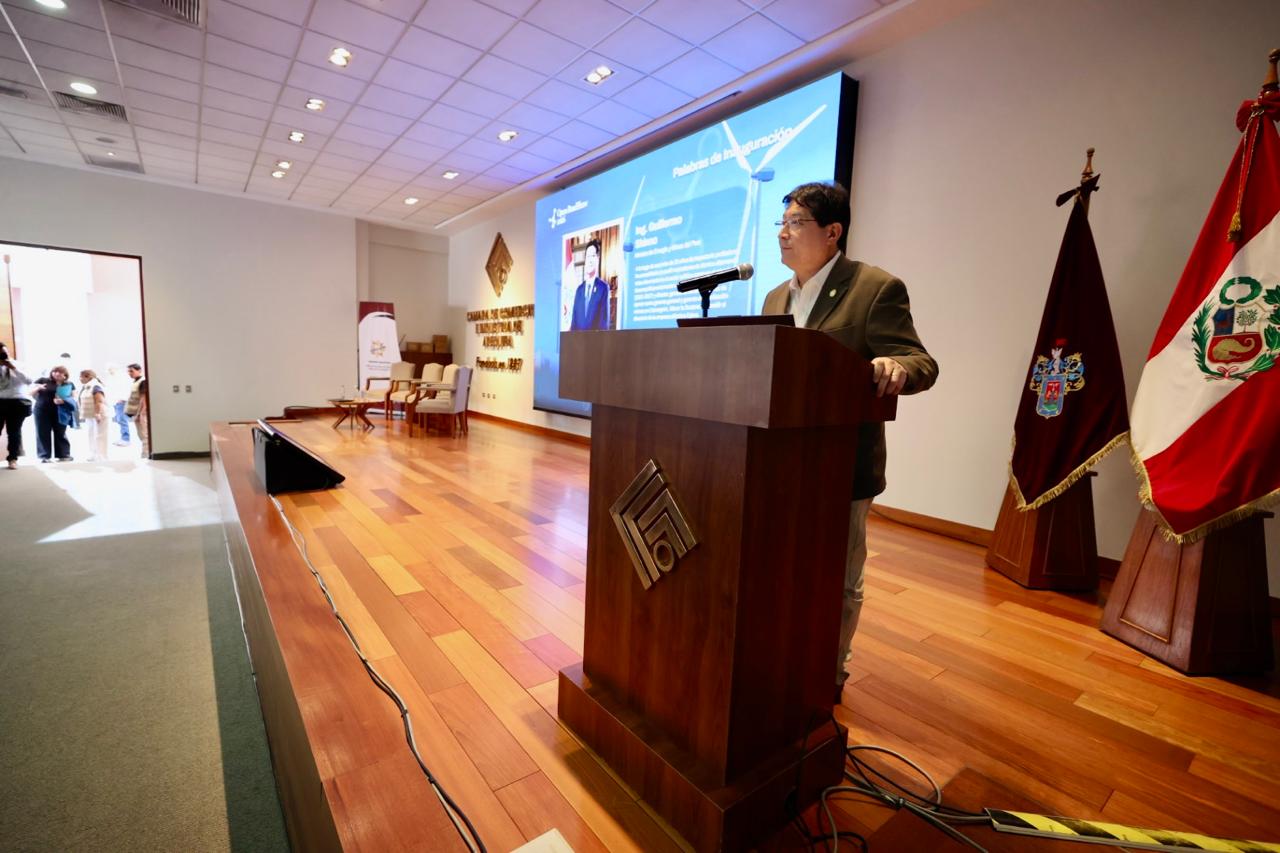
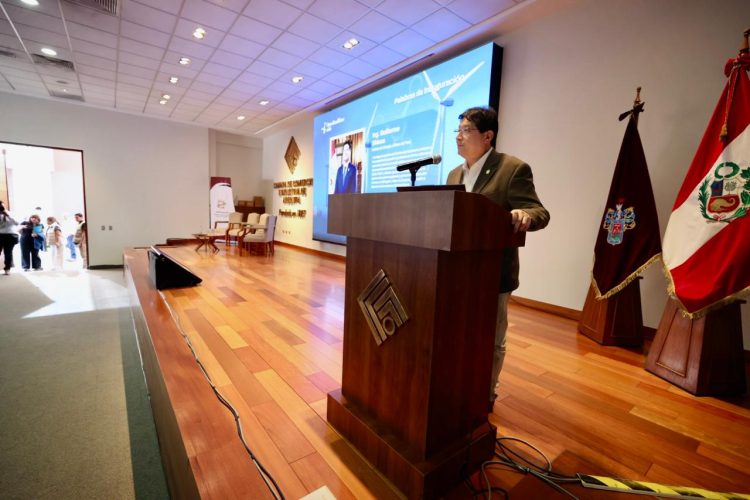
In a landmark move signaling a paradigm shift in Peru’s industrial and environmental strategy, the Minister of Energy and Mines, Guillermo Shinno, officially inaugurated the "Open RoadShow 2026" in Arequipa. The event, titled "Arequipa: Destination and Global Supplier of Clean Energy and Low-Carbon Solutions – Boosting the Southern Peru Hydrogen Hub," serves as the cornerstone for the government’s 2026–2031 energy roadmap.
As the global community accelerates the transition away from fossil fuels, Peru is positioning itself not merely as a participant, but as a strategic player in the global energy transition. By leveraging the unique geographical and resource-rich advantages of the Arequipa region, the Ministry of Energy and Mines (MINEM) aims to catalyze a new era of economic development, technological innovation, and sustainable growth.
Main Facts: A Vision for Sustainable Industrialization
The core objective of the Open RoadShow is to transform Arequipa into the epicenter of South America’s green hydrogen economy. Minister Shinno emphasized that the initiative is built upon the region’s vast, untapped potential for renewable energy production, specifically solar and wind, which are essential precursors for the electrolysis required to produce green hydrogen.
According to projections provided by the Regional Government of Arequipa, there are more than 30,000 hectares currently designated for the development of new energy industries. This massive land allocation is designed to host large-scale renewable power plants, hydrogen production facilities, and the necessary infrastructure for storage and export.
The strategy is twofold:
- Attracting Foreign and Domestic Investment: Creating a predictable regulatory framework to lower risk for international energy conglomerates.
- Industrial Decarbonization: Utilizing green hydrogen to replace coal and natural gas in heavy industry, mining, and transportation, thereby reducing the nation’s carbon footprint.
Chronology: The Path to the 2026–2031 Energy Agenda
The inauguration of this project is the result of years of institutional preparation and recent policy refinements.
- Early 2026: The MINEM begins drafting the 2026–2031 management agenda, focusing on the decentralization of energy infrastructure and the modernization of regulatory frameworks.
- Mid-2026: Collaborative efforts between the MINEM, the Ministry of Production, and the Technological Institute of Production (ITP) are solidified to establish a specialized center for research and development.
- September 2026: The Open RoadShow in Arequipa serves as the official public launch of the Southern Hydrogen Hub, inviting stakeholders from the private sector to engage with the government’s long-term vision.
- Future Outlook (2027–2030): The government anticipates the phased implementation of pilot hydrogen projects, followed by the integration of large-scale renewable infrastructure, culminating in the regional expansion of the natural gas grid to support industrial competitiveness.
Supporting Data: The Economic and Technical Case
The transition toward green energy in Peru is supported by robust data regarding resource availability and market demand. Arequipa’s solar radiation levels are among the highest in the world, providing a constant and efficient feed for renewable power generation.
The CITE Initiative
A pivotal component of this strategy is the creation of the Center for Productive Innovation and Technological Transfer (CITE) for Renewable Energies and Hydrogen. This facility is designed to bridge the gap between academic research and industrial application. By fostering local technical expertise, the CITE aims to ensure that the Peruvian workforce is not just a consumer of foreign technology, but an active contributor to the global hydrogen supply chain.
Land and Resource Allocation
The 30,000 hectares mentioned by the regional government are strategically located to minimize transmission losses while maximizing access to coastal logistics points for export. This land use policy represents a proactive approach to spatial planning, preventing the land-use conflicts often associated with large-scale industrial projects.
Official Responses and Stakeholder Alignment
Minister Shinno’s presentation was met with significant interest from the Arequipa Chamber of Commerce, whose members are vital to the successful execution of these projects. The consensus among policymakers and business leaders is that "predictability" is the currency of the energy transition.
"Our priority is to guarantee the institutional and regulatory scaffolding that translates these regional projections into consolidated realities," Shinno stated. He emphasized that the MINEM is not working in isolation. The integration with the Ministry of Production ensures that the energy sector provides the necessary raw materials and power to revitalize domestic manufacturing and agro-industry.
The Minister also addressed concerns regarding regulatory bottlenecks. The 2026–2031 agenda specifically prioritizes the simplification of administrative procedures. The goal is to eliminate bureaucratic duplicities without compromising the high environmental and social standards required for sustainable mining and energy extraction. This "balanced approach" is intended to maintain social license while accelerating the pace of development.
Implications: A New Era for Peru’s Energy Security
The implications of this initiative extend far beyond Arequipa. The four pillars of the MINEM’s 2026–2031 management agenda define the broader national trajectory:
- Investment Reactivation: Through legal stability and transparent bidding processes, the government aims to re-energize the private sector.
- Energy Security: Diversifying the energy matrix reduces dependence on imported fossil fuels, shielding the economy from global price volatility.
- Closing Territorial Gaps: The plan includes aggressive rural electrification and the extension of the natural gas pipeline to provide cleaner, more affordable energy to the most remote corners of the country.
- Regulatory Modernization: By updating the regulatory framework, Peru aims to become a regional leader in clean energy exports, making the country an attractive destination for companies committed to ESG (Environmental, Social, and Governance) goals.
The Role of Natural Gas
While green hydrogen represents the future, the Minister was clear about the immediate necessity of natural gas. The integration of natural gas into the Arequipa energy landscape is seen as a "bridge fuel" that will improve the efficiency of local industrial processes today, creating the economic stability needed to fund the green transition of tomorrow.
Conclusion: A Commitment to Sustainable Prosperity
As the Open RoadShow concluded, Minister Shinno reaffirmed the government’s commitment to a holistic development model. "The political will, regional technical robustness, and the state’s regulatory predictability are now articulated around the same purpose," he noted.
The transition to a low-carbon economy is not just a climate imperative; it is an economic opportunity. By aligning the needs of the energy sector with the socioeconomic requirements of the Arequipa region, the Peruvian government is laying the groundwork for a future where energy is not just a utility, but a driver of prosperity.
As Peru moves forward, the success of the Southern Hydrogen Hub will likely serve as a blueprint for other regions. The convergence of international investment, local technological development, and clear-sighted government policy suggests that the country is well-positioned to become a critical node in the global movement toward a net-zero future. Through the "Open RoadShow," Peru has sent a clear message to the international community: the country is open for business, committed to innovation, and ready to power the world with clean, green, and sustainable energy.