Introduction: A Strategic Investment for Southern Peru
The landscape of public health infrastructure in the Puno region is undergoing a significant transformation. At the heart of this development is the construction of the new Centro de Salud Desaguadero, a project spearheaded by the National Program for Health Investments (PRONIS), an entity under the Ministry of Health (MINSA). With a total investment of S/ 60.99 million, this initiative is not merely a construction project; it is a vital pillar intended to overhaul the healthcare capacity of the Chucuito province.
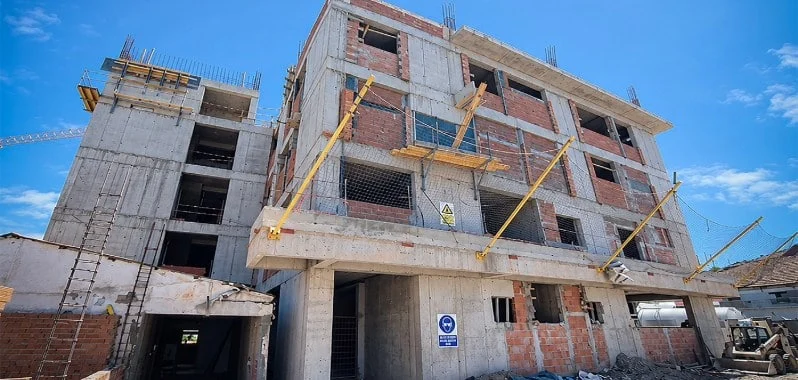
As of the latest reports, the infrastructure project has reached a critical milestone, boasting a physical progress rate of 46.48%. This achievement marks a pivotal point in the timeline of the development, signaling that the project is well past its initial stages and moving steadily toward the final phases of completion. The facility is poised to become a reference point for medical attention in the border region, catering to the needs of a population that has long awaited modern, accessible, and high-quality health services.
Main Facts: The Scope of the Project
The project encompasses more than just the physical walls of a building. It represents a holistic approach to regional health management. The scope of work includes:
- Financial Commitment: A total budget of S/ 60.99 million, allocated to ensure the facility meets national quality standards.
- Infrastructure: Modernization of clinical areas, administrative offices, and specialized diagnostic spaces.
- Specialized Installations: The inclusion of radiation-shielded areas (notably the X-ray department) to ensure the safety of both practitioners and patients.
- Utility Systems: Extensive internal network installations, including advanced water and sewage systems, electrical grids, and telecommunications infrastructure.
The current stage of construction involves intricate engineering tasks that are essential for the long-term sustainability of the center. Specifically, crews are focusing on the precise installation of lead-lined wall panels in the X-ray wing. This is a non-negotiable safety requirement in medical facility construction, ensuring that the ionizing radiation used in diagnostic imaging remains contained within the designated areas, protecting the hospital staff and the general public.
Chronology of Development
The path to the current 46.48% completion rate has been characterized by meticulous planning and execution.

Phase I: Planning and Site Preparation
Before the first shovel hit the ground, PRONIS conducted extensive feasibility studies to ensure the site could accommodate the projected growth in patient volume. This included soil stabilization studies, environmental impact assessments, and the procurement of necessary permits from local and national authorities.
Phase II: Structural Foundation and Framework
Following the procurement of the site, the project moved into the structural phase. During this period, the primary skeletal structure of the health center was erected. This involved significant logistical coordination to transport construction materials to the province of Chucuito, a region known for its challenging high-altitude geography.
Phase III: Current Operational Phase
We are currently in the mid-to-late construction phase. This involves the "finishing" work that dictates the user experience of the future facility. The teams are currently testing the integrity of the hydraulic networks—ensuring that all water pipes are pressure-tested to prevent leaks and ensure consistent supply—while simultaneously working on the mounting of metal structures that form the support systems for the building’s aesthetic and functional finishes.
Supporting Data: Why This Center Matters
The Chucuito province, situated in the Puno region, faces unique healthcare challenges. Its geographic location—often isolated from major metropolitan hospitals—means that the local health center must be equipped to handle a wide spectrum of medical scenarios.
- Population Coverage: The new facility will serve the immediate population of Desaguadero and surrounding rural communities, many of whom previously had to travel significant distances to receive specialized care.
- Economic Impact: The S/ 60.99 million investment stimulates the local economy by creating jobs for construction workers, engineers, and supply chain logistics providers in Puno.
- Health Outcomes: By providing a local facility equipped with modern diagnostics, the project is expected to reduce the "time-to-care" for residents, which is a critical factor in treating acute medical conditions and improving maternal and child health outcomes.
Official Responses and Institutional Commitment
PRONIS, acting under the mandate of the Ministry of Health, has maintained a transparent communication strategy regarding the project’s milestones. According to official spokespersons, the goal is not just to build a facility, but to ensure its functionality and longevity.

"The construction of the Desaguadero Health Center is a testament to our commitment to decentralizing high-quality healthcare," noted a representative from the project management team. The oversight committees emphasize that the ongoing work on electrical and sanitary installations is being conducted in strict adherence to national building codes (RNE).
Furthermore, the integration of new equipment is already being planned in parallel with the construction. This ensures that once the building is physically handed over, the installation of medical machinery—such as imaging systems and laboratory equipment—can proceed without delay, allowing for a swift transition to operational status.
Implications: A New Era for Puno’s Healthcare
The completion of this center will have profound implications for the region. Currently, the lack of robust infrastructure often leads to the saturation of larger regional hospitals in Puno city. By strengthening the "first level of care" in Chucuito, the project will:
- Decongest Regional Hubs: Allow major hospitals to focus on complex surgeries and specialized cases by treating primary care patients locally.
- Standardize Quality: Ensure that residents in the border regions have access to the same technological standard of diagnostic tools as those in larger cities.
- Strengthen Public Trust: Demonstrating that the government is prioritizing the health infrastructure of remote provinces helps to bridge the gap between rural populations and the state.
Technical Challenges and Solutions
Building in Puno requires accounting for extreme climate conditions, including high solar radiation and significant temperature fluctuations between day and night. The construction materials being utilized in the current phase are selected specifically to withstand these environmental stressors. The ongoing testing of the internal water networks, for instance, includes measures to prevent pipe freezing and material degradation, ensuring that the facility remains operational year-round regardless of external weather conditions.
Conclusion: The Road Ahead
With the project nearly halfway finished, the next few months will be critical. The focus will shift from the "bones" of the building to the interior fit-outs. As the electrical, mechanical, and plumbing (MEP) systems are finalized, the facility will begin to resemble a functional medical center rather than a construction site.

The project represents a hopeful future for the residents of Desaguadero. It serves as a reminder that investment in infrastructure is, at its core, an investment in human capital. As the construction continues to advance toward the 50% threshold and beyond, the community and stakeholders remain optimistic that this S/ 60.99 million endeavor will provide the necessary relief and medical support for years to come.
For those following the progress of the work, the continued transparency from PRONIS and the steady pace of construction provide a clear signal that the promise of a modern health center is steadily turning into a tangible reality. The residents of Chucuito stand to gain a vital asset that will undoubtedly reshape the local healthcare landscape, proving that even in challenging geographies, quality healthcare is a right that can be secured through persistent infrastructure development.