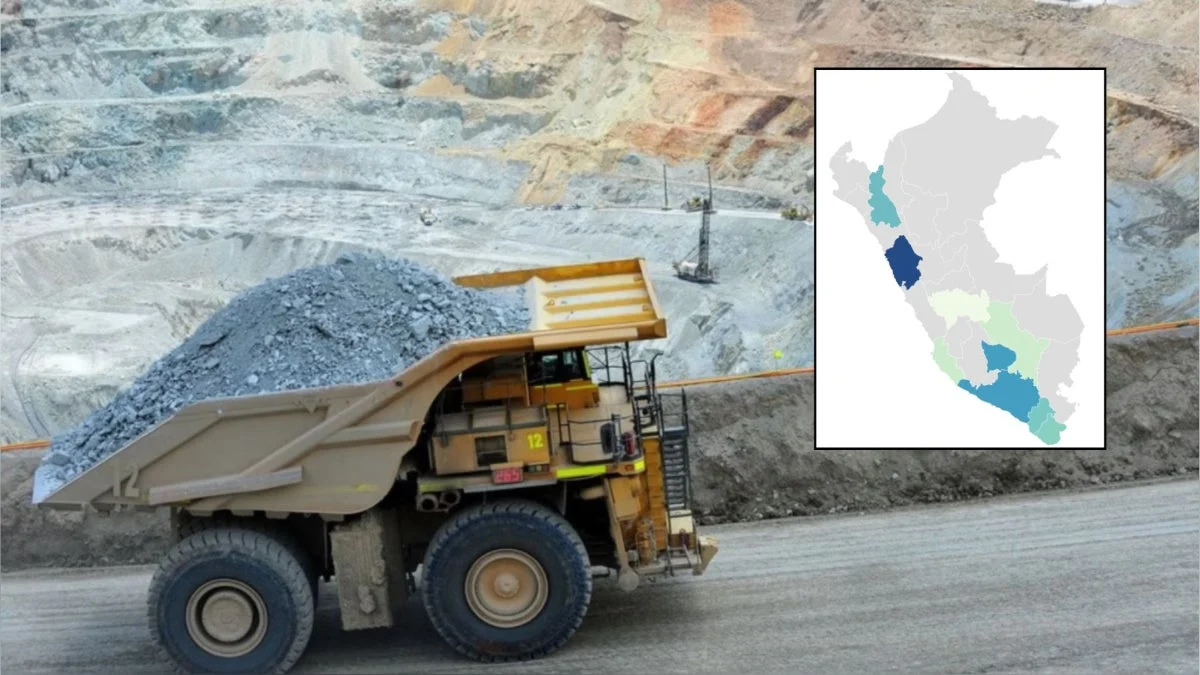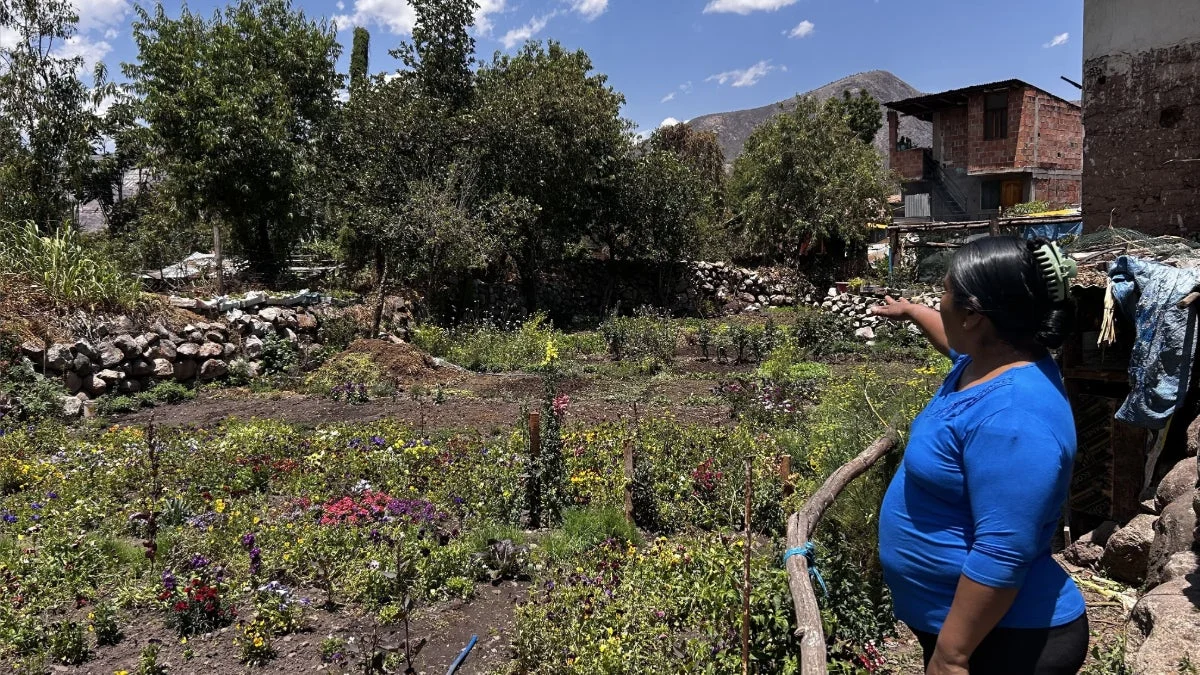
In the heart of the Peruvian Andes, the traditional banking sector has long been an exclusive club, often inaccessible to the small-scale farmers and entrepreneurs who form the backbone of the nation’s rural economy. However, a significant intervention by the Agence Française de Développement (AFD)—the French state-owned development bank—is rewriting this narrative. By injecting $90 million into Peru’s network of municipal savings banks (cajas municipales), the AFD is fostering a financial revolution, aiming to integrate 50,000 previously "unbanked" or underserved citizens into the formal economy.
The Reality of Financial Exclusion in Rural Peru
For millions of Peruvians, the dream of economic autonomy is frequently stifled by a lack of collateral or credit history—prerequisites for loans from traditional commercial banks. This systemic exclusion has historically trapped families in a cycle of subsistence farming, unable to invest in the tools, land, or technology needed to scale their businesses.
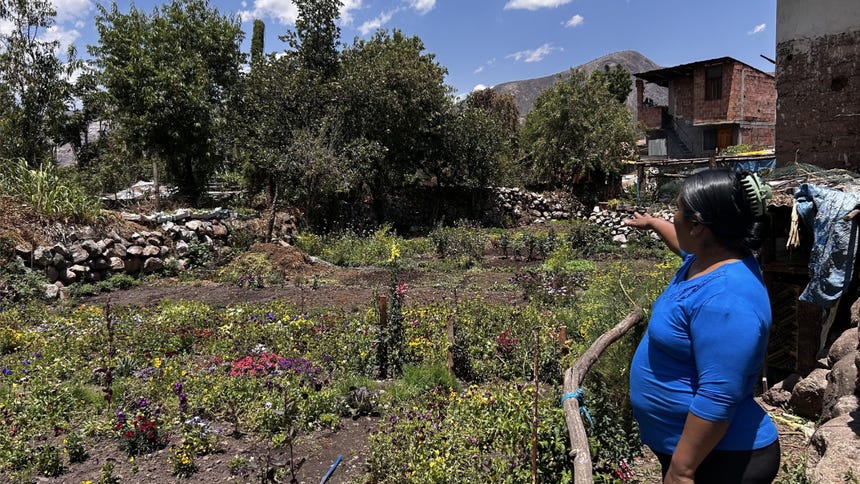
Yolanda Vásquez, an agricultural entrepreneur from the province of Urubamba in Cusco, knows this struggle all too well. When she first sought capital to launch her agricultural venture, she was met with rejection from traditional financial institutions, which demanded guarantees she could not provide. "I was told I didn’t qualify," Vásquez recalls. Without a formal credit history or tangible collateral, her ambitions remained sidelined.
The turning point came when a municipal savings bank recognized the potential in her business model. An analyst offered her a microcredit of S/500, requiring only a single signature. This small, symbolic investment became the catalyst for her transformation.
A Chronology of Empowerment: From Microcredit to Market Growth
The path to financial inclusion is rarely linear, but for beneficiaries like Yolanda Vásquez and Nicanor Choquemaque, the journey follows a distinct pattern of growth supported by strategic credit.
The Spark (Initial Financing)
Yolanda utilized her first micro-loan of S/500 to lease a small plot of land and purchase essential agricultural inputs—seeds and starter plants. This modest beginning allowed her to generate immediate income, but more importantly, it established her formal financial footprint.
The Expansion Phase
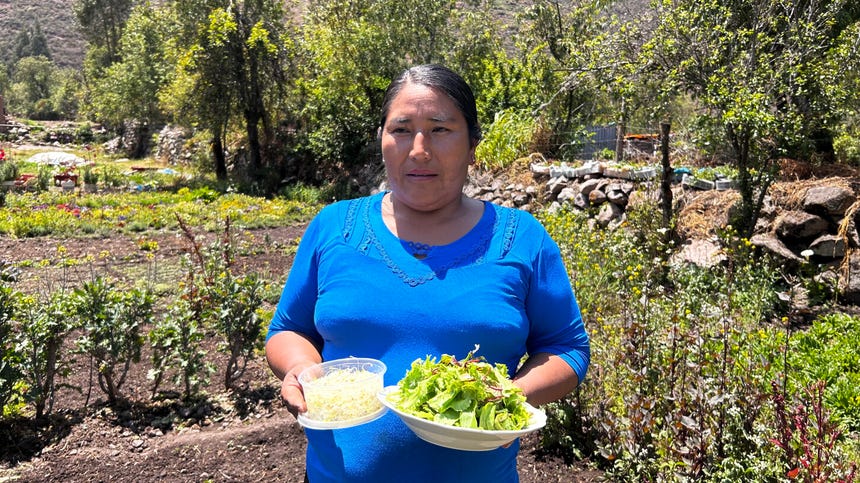
With a proven track record, Vásquez accessed larger credit lines. She pivoted from conventional farming to high-value organic production. Today, her fields produce edible flowers, micromix, sprouted grains, and mushrooms. Her produce now serves the high-end tourism market in Cusco, finding its way into the kitchens of luxury restaurants near Machu Picchu.
The Strategic Shift
Similarly, Nicanor Choquemaque and his wife, Marina Hinojosa, operating in the province of Anta, represent the success of tailored financial products. Arriving in the region with limited land, they utilized municipal credit to gradually acquire more territory. Their strategy involved diversifying into potatoes, quinoa, and legumes, while simultaneously expanding their livestock operations. Their success highlights how credit, when paired with the right timing, allows for the gradual accumulation of assets.
Data and Scope: The Reach of the AFD Initiative
The impact of the $90 million AFD injection is quantifiable and growing. To date, over 35,000 rural residents have secured credit through this program, which focuses on institutions like Caja Huancayo, Caja Cusco, and Caja Trujillo.
Key Performance Metrics:
- Total Investment: $90 million disbursed by the AFD.
- Current Reach: Over 35,000 beneficiaries, with a primary target of 50,000.
- Target Demographic: Focus on women entrepreneurs and small-scale rural producers who face the highest barriers to entry in the traditional banking sector.
- Future Roadmap: Plans are currently in development to extend this financing to at least two additional municipal banks along the Peruvian coast, further widening the geographic reach of the project.
Official Responses and Strategic Vision
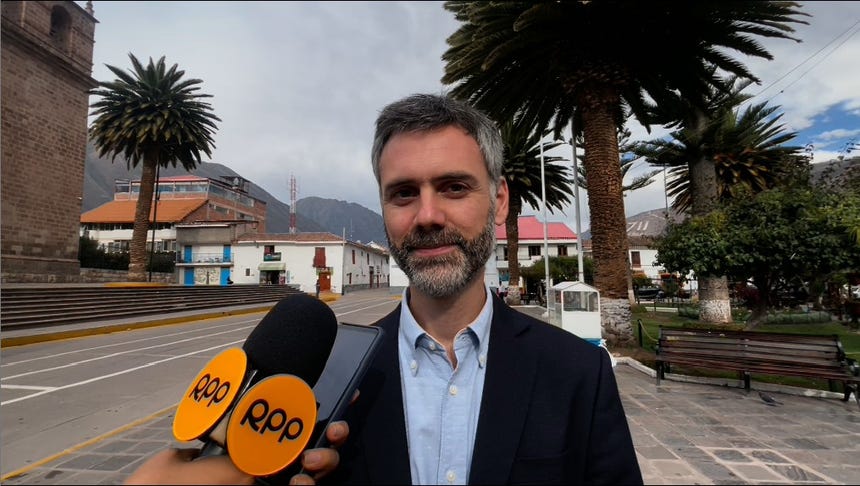
Xavier Mesnard, the AFD’s Country Director in Peru, emphasizes that the agency’s role goes far beyond simple liquidity. The initiative is deeply rooted in the broader development goals of gender equality and climate resilience.
"In Peru, financial inclusion is paramount, especially given the high level of informality in the national economy," Mesnard explained in an interview. "Our work with the municipal banks is not just about lending; it is about systemic change. We want these credits to have a measurable impact on gender equality and help farmers adapt to the mounting pressures of climate change."
The AFD’s intervention is holistic. It includes:
- Technical Assistance: Providing expertise to help banks refine their risk assessment models for rural borrowers.
- Product Innovation: Funding the creation of financial products that align with agricultural cycles.
- Capacity Building: Training bank advisors to better understand the needs of rural, female, and indigenous entrepreneurs.
Implications: A New Model for Financial Inclusion
The success stories emerging from Cusco provide a blueprint for how financial institutions can adapt to serve the "bottom of the pyramid."
The Importance of Adaptive Calendars
One of the most critical findings in the AFD project is the necessity of "cycle-aligned" payments. Nicanor Choquemaque noted that while he had approached other lenders previously, their rigid monthly repayment schedules were incompatible with the seasonal nature of farming. The municipal banks, supported by the AFD framework, offer semestral payment schedules. This adjustment is not merely a convenience; it is a structural necessity that prevents farmers from defaulting during the "lean months" between harvests.
The Gender Gap and Empowerment
By prioritizing women, the program addresses a specific segment of the population that is often the most productive yet the most marginalized in terms of land title ownership and bank access. Yolanda Vásquez’s trajectory—from a rejected applicant to a supplier for world-class restaurants—demonstrates that providing capital to women has a multiplier effect on local economies and food security.
Climate Resilience
The shift toward organic agriculture, as seen in Vásquez’s business, is a direct result of the long-term planning enabled by stable credit. When farmers have access to capital, they are better able to invest in sustainable practices, such as soil health and water management, which are essential for long-term survival in the face of erratic weather patterns caused by climate change.
Conclusion: Looking Toward the Future
The collaboration between the AFD and Peru’s municipal banks serves as a compelling case study for international development. By leveraging existing, trusted local institutions rather than attempting to build new structures, the program achieves a deeper penetration into the rural social fabric.
The goal of 50,000 beneficiaries is an ambitious milestone, but the qualitative impact—the transition from subsistence to commercial viability—is the true metric of success. As these entrepreneurs continue to scale their operations, they are not only building their own financial legacies but are also strengthening the resilience of the Peruvian agricultural sector.
For producers like Yolanda and Nicanor, the credit they received was more than just money; it was the validation of their hard work and the key to unlocking their potential in an increasingly complex and competitive market. As the AFD eyes further expansion into the coastal regions, the model developed in the Andes promises to offer a sustainable path forward for thousands more, proving that with the right support, the financial barriers that once seemed insurmountable can be dismantled.