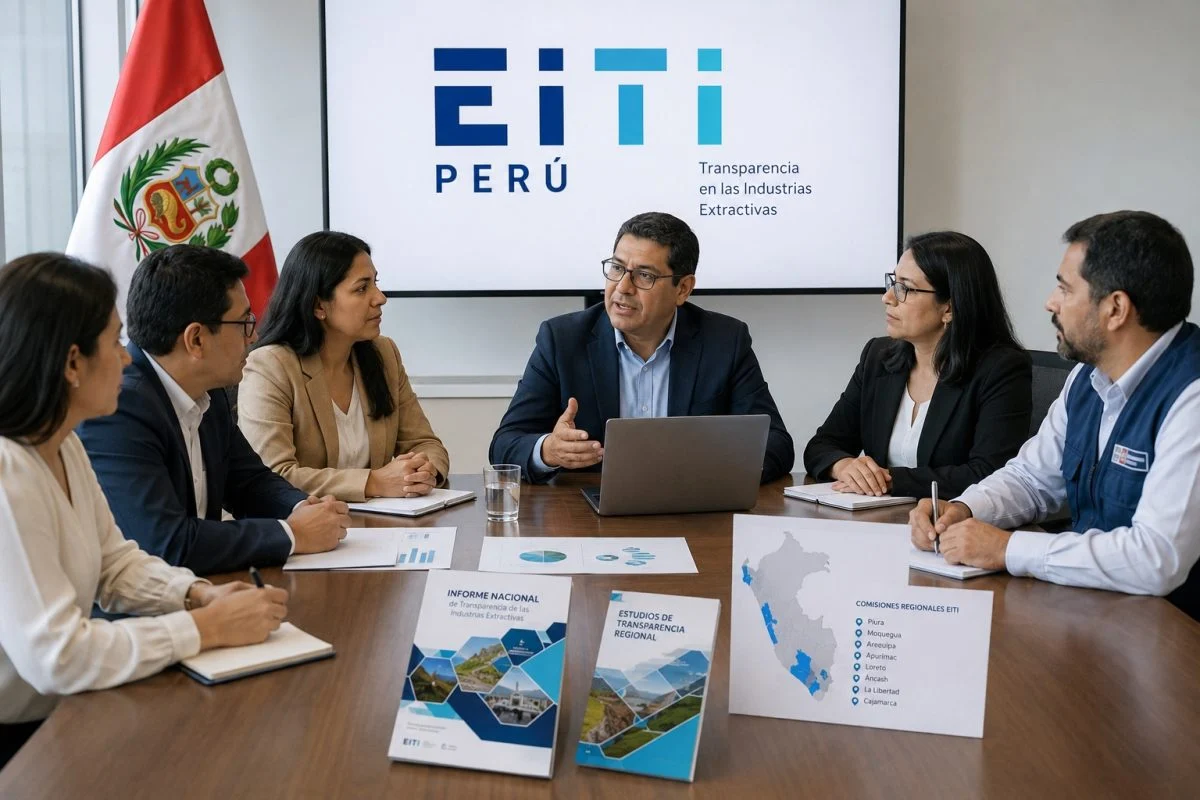
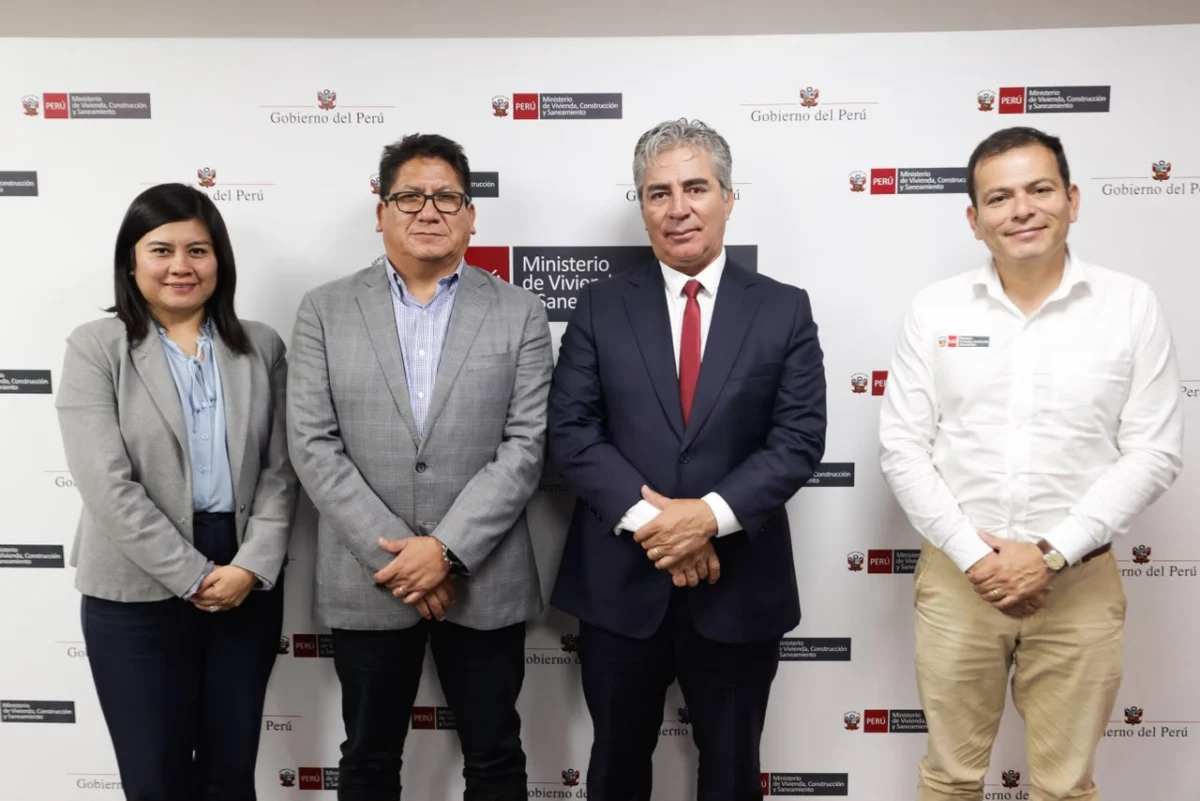
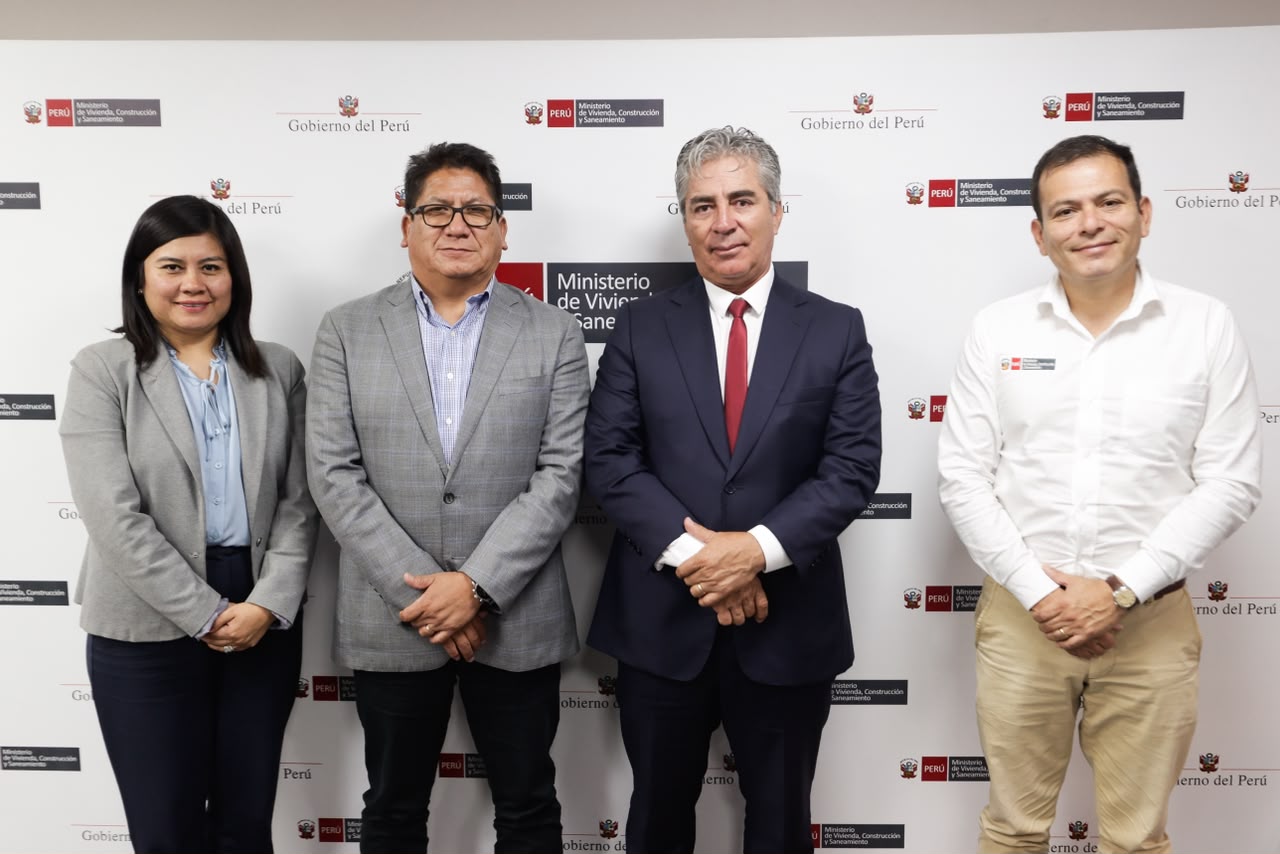
In a strategic move to address long-standing infrastructure deficits in the Puno region, the Peruvian Minister of Housing, Construction, and Sanitation, Mauricio Arnillas, recently convened with top executives from Bear Creek Mining Corporation. The high-level meeting focused on leveraging the company’s Corani silver project—a cornerstone of regional economic development—to accelerate the delivery of essential water and sanitation services to local communities in the province of Carabaya.
This partnership, centered on the mechanism of Obras por Impuestos (Works for Taxes or OxI), signals a growing trend in the Andean nation: the integration of large-scale mining investment with the socio-economic development of peripheral regions.
The Core Objective: Closing the Sanitation Gap
The primary focus of the dialogue was the persistent inequality in access to potable water and sewage systems in the rural highlands of Puno. Despite the region’s significant mineral wealth, many communities continue to face challenges regarding basic public health infrastructure.
Minister Arnillas underscored that the government’s mandate is to ensure that economic progress, specifically through extractive industries, translates into tangible improvements for the populace. By collaborating with Bear Creek, the Ministry aims to bypass bureaucratic hurdles and utilize private-sector efficiency to execute public works that have historically lagged due to budget constraints or administrative bottlenecks.
Chronology of the Corani Project: A Path to Production
To understand the timing of this collaboration, one must look at the development timeline of the Corani project.
- Exploration and Permitting Phase: Over the past decade, Bear Creek has navigated the complex environmental and social permitting processes required for the Corani deposit, which is recognized as one of the world’s largest undeveloped silver-polymetallic deposits.
- The Investment Horizon: With the project now in its final pre-construction phase, the company is preparing for a pivotal shift. Current projections indicate that the construction phase is slated to commence in 2027, with an estimated duration of 24 months.
- Operational Readiness: Following the two-year construction period, the mine is expected to move into full-scale operation by 2029. This transition creates a "window of opportunity" for the Ministry of Housing to align infrastructure projects with the logistical and financial surge associated with the mine’s development.
The Mechanism: Obras por Impuestos (OxI) as a Catalyst
The centerpiece of the discussion was the use of Obras por Impuestos (OxI). This unique legal framework allows private companies to deduct the cost of public infrastructure projects from their income tax liabilities.
For the government, OxI is a powerful tool to expedite public works. For mining companies like Bear Creek, it provides a transparent and efficient way to foster a "social license to operate" by delivering immediate benefits to their host communities.
Benefits of the OxI Model:
- Efficiency: Private entities often manage project execution with greater speed and technical rigor than traditional public bidding processes.
- Sustainability: By involving the mining operator in the delivery of water services, the maintenance and long-term viability of the infrastructure are often better secured.
- Regional Harmony: The model aligns corporate social responsibility (CSR) goals with the specific needs identified by the Ministry of Housing, reducing the risk of social conflict and ensuring that local populations see the direct benefit of mining activity.
Official Responses and Strategic Vision
Minister Mauricio Arnillas expressed optimism regarding the synergy between the Ministry and Bear Creek. "The state cannot act alone in closing the infrastructure gap," Arnillas stated. "We need to foster mechanisms that allow for the seamless integration of private investment with the needs of the people. Our goal is to ensure that the wealth generated in Puno improves the standard of living for every family in the province."
Representatives from Bear Creek, recognizing the critical nature of water resources in their operational areas, expressed their commitment to working within the established legal frameworks to contribute to the region’s development. For the company, ensuring a stable, healthy, and supportive community environment is not merely a philanthropic gesture; it is a business imperative that ensures the long-term success of the Corani project.
Supporting Data: Why Puno Requires Urgent Action
The urgency of this initiative is rooted in data. Puno has historically faced challenges regarding the quality and availability of water, exacerbated by the region’s high altitude and seasonal climate patterns.
- Health Outcomes: Lack of adequate sanitation is directly correlated with higher rates of gastrointestinal illnesses in children. By prioritizing water treatment plants and expanded sewage networks, the Ministry aims to lower these public health metrics significantly.
- Regional Economic Impact: The Corani project is expected to become a major driver of the local economy, creating thousands of direct and indirect jobs. However, these benefits are only sustainable if the local population has the basic infrastructure to support a growing workforce.
- Projected Investment: While specific figures for the water projects are currently being negotiated, the total potential investment for the Corani mine itself runs into the hundreds of millions of dollars, providing a robust base for potential OxI contributions.
Socio-Economic Implications and Future Outlook
The collaboration between the Ministry of Housing and Bear Creek represents a sophisticated approach to modern mining in Peru. No longer is the extraction of minerals viewed in isolation; it is now viewed as an integrated ecosystem where the mining project acts as a facilitator for regional development.
Long-term Implications:
- A Model for Other Regions: If the Corani initiative succeeds, it could serve as a blueprint for other mining projects in the Andes, encouraging a standardized approach to infrastructure development via OxI.
- Institutional Strengthening: This partnership forces a closer collaboration between local municipalities, regional governments, and the central Ministry, potentially strengthening the administrative capacity of regional officials.
- Mitigating Social Conflict: Many mining projects in Peru face delays due to community opposition. By proactively addressing water needs, companies can establish a foundation of trust that is essential for the longevity of the mine.
Conclusion: A New Chapter for Carabaya
The meeting between Minister Arnillas and the Bear Creek leadership marks a significant step forward. As the Corani project moves closer to its 2027 construction launch, the commitment to water and sanitation infrastructure ensures that the project will leave a legacy that extends far beyond the mine’s eventual closure.
The success of this initiative will be measured not just by the tonnage of silver produced, but by the number of households in Carabaya that gain access to clean water and reliable sanitation. By bridging the gap between public policy and private investment, the Ministry of Housing and Bear Creek are laying the groundwork for a more resilient and prosperous Puno.
As the industry watches, the "Corani Model" may soon become the benchmark for how the extractive sector can play a constructive, essential role in fulfilling the basic human rights of the communities that host them. Through transparency, strategic planning, and a commitment to shared prosperity, the path forward looks promising for both the industrial sector and the people of the Puno highlands.