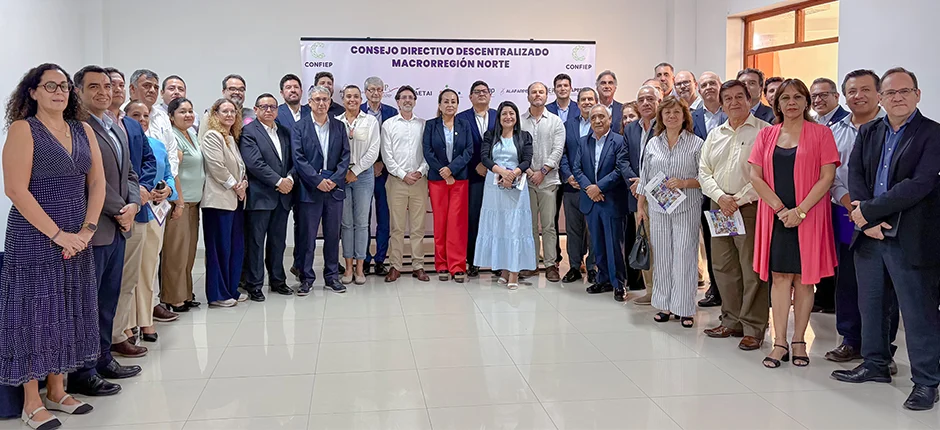
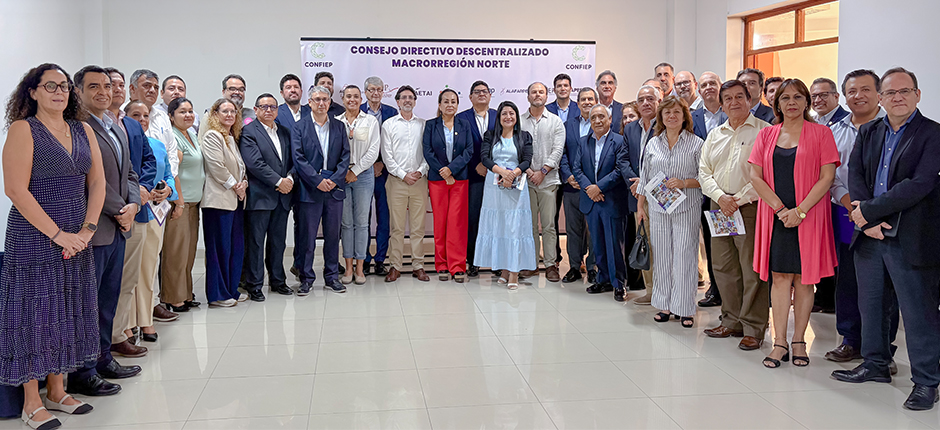
PIURA, PERU – In a high-stakes gathering that underscores the gravity of the looming climatic crisis, the Confederation of Private Business Institutions (CONFIEP) convened an emergency summit in Piura. Bringing together the nation’s top business leaders, regional chambers of commerce, and key government stakeholders, the event served as a critical platform to synchronize public and private efforts to mitigate the devastating effects of the El Niño Phenomenon (FEN).
As the region braces for what experts warn could be a catastrophic climate event, the message from the private sector was clear: the time for bureaucratic delays has passed, and the time for agile, collaborative action has begun.
The Gathering of Stakeholders: A Unified Strategy
The summit, held at the headquarters of the Piura Chamber of Commerce, transcended local boundaries, drawing in representatives from across the Northern Macro Region. The objective was to create a cohesive operational framework that leverages the logistical, financial, and technical capacities of the private sector to bolster government disaster response and prevention infrastructure.
Jorge Zapata Ríos, president of CONFIEP, set the tone for the assembly by highlighting the critical nature of the next 90 days. "The two or three months that remain before the potential peak of the phenomenon must be utilized to their fullest extent," Zapata Ríos stated. "We are here as the private sector to offer our support. Businesses possess an inherent ability to execute projects with greater agility and efficiency, and we are placing that capacity at the service of the country to save lives and protect infrastructure."
Chronology of the Crisis and the Response
The urgency of the meeting is rooted in a timeline of climate warnings that have been escalating since early 2026.
- Early 2026: Initial meteorological data suggested a shift in ocean temperatures, signaling a high probability of a strong El Niño event.
- Mid-2026: Increased rainfall and erratic weather patterns in Northern Peru began to stress aging infrastructure, particularly in drainage and irrigation systems.
- August 2026: Regional chambers of commerce reported that local supply chains were already feeling the pressure of potential disruption, leading to the call for this centralized emergency council.
- September 1, 2026: The CONFIEP Decentralized Directorial Council convened in Piura. This meeting marked the official transition from individual regional preparations to a coordinated national-private sector response plan.
The meeting serves as a turning point, moving the discussion from "if" to "how" the region will manage the disaster.

Supporting Data: Why Northern Peru is Vulnerable
The Northern Macro Region—encompassing Piura, Tumbes, Lambayeque, and parts of La Libertad and Ancash—has historically been the most susceptible to El Niño’s wrath. Data presented at the summit highlighted several key areas of vulnerability:
- Infrastructure Gaps: Many regional drainage systems are currently operating at suboptimal capacity, unable to handle the predicted flood volumes.
- Economic Sensitivity: The region is an engine for Peru’s agricultural exports. A major climate event risks billions of soles in lost production, particularly in mango, grape, and banana exports.
- Connectivity: The fragility of regional highways remains a primary concern. The disruption of key transport routes would isolate rural communities, effectively cutting off access to medical supplies and food.
The participation of entities such as the Association for the Promotion of National Infrastructure (AFIN) and the Peruvian Chamber of Construction (CAPECO) was essential, as they provide the technical expertise required to fast-track reinforcement projects for bridges and dikes.
Official Responses and Cross-Sector Collaboration
The meeting was notable for its diverse attendance, which included not only business magnates but also members of the Peruvian Congress and local government leaders.

Government and International Cooperation
The presence of representatives from international bodies like UNICEF and the International Labour Organization (ILO) highlighted the humanitarian dimension of the crisis. Their focus is on ensuring that the most vulnerable populations—particularly children and informal workers—are protected from the economic and health shocks that follow floods.
Javier Álvarez, representing UNICEF, emphasized that the private sector’s contribution to school safety and water sanitation is a crucial safeguard for the region’s future. Meanwhile, PROINVERSIÓN officials were present to discuss how to navigate the legal complexities of public-private partnerships (PPPs) during a state of emergency, ensuring that private investments in prevention can be channeled legally and transparently.
The Voice of Local Governance
Mayors from Piura and the district of 26 de Octubre echoed the concerns of their constituents, pointing out that municipal budgets are insufficient to meet the scale of the challenge. The alignment between the regional government and the business sector is intended to bridge this "funding gap," with the private sector stepping in to provide heavy machinery and engineering expertise that local municipalities currently lack.
Implications for the Future of the Region
The mobilization spearheaded by CONFIEP has several long-term implications for how Peru handles climate risk:
1. The "Agility" Model
The most significant takeaway is the adoption of a "private-sector agility" model. By allowing businesses to manage specific construction or procurement tasks, the government hopes to avoid the red tape that has stalled disaster prevention projects in the past. This could set a precedent for future crisis management in Peru.
2. Supply Chain Resilience
With major players like the Sociedad del Comercio Exterior del Perú (ComexPerú) and the National Association of Pharmaceutical Laboratories (ALAFARPE) in attendance, the focus is on maintaining the continuity of basic services. Ensuring that hospitals have medicine and that basic goods reach markets despite flooded roads is a primary goal.

3. Sustainable Development
The summit was not merely about emergency response; it was about building back better. As noted by the representatives from the mining sector (Buenaventura) and energy consortia (CVC Energía), private investment in infrastructure should be designed to withstand future climate variations, not just the upcoming El Niño.
Conclusion: A Test of National Will
As the meeting concluded, the consensus was clear: the Northern Macro Region is a vital component of the Peruvian economy, and its protection is a national priority. The level of high-level attendance—from the president of CONFIEP to the regional mayors—demonstrates that the gravity of the situation is fully understood.
However, the success of this initiative will ultimately be measured in the field. The alignment of interests between the state, which provides the regulatory framework and public oversight, and the private sector, which provides the operational capacity and financial backing, represents the best hope for minimizing the impact of the coming rains.

In the coming weeks, the nation will be watching closely to see if this promise of "articulated efforts" translates into concrete, reinforced defenses. For the people of Northern Peru, the cooperation between these diverse sectors is not just a policy initiative—it is a critical line of defense against a challenging natural future.
Participants at the Decentralized Directorial Council included:
- CONFIEP and Gremios: Karsten Kunckel (AAP), Alejandro Garland (CAPECO), Michelle Szejer (SNRTV), Julio Surco (Small Business Association), Juan Pacheco (AFIN), José Salardi (CODIP), Juan Stoessel (ComexPerú), Diego Hovispo (ALAFARPE), José Luis Sarrio (IPAI), and Francisco Feliú (ACP).
- Regional Chambers: Javier Bereche (Piura), Elena Ríos (Ancash), Paolo Malaver (Cajamarca), Fernando Guerra (La Libertad), Juan Manuel Scander (Lambayeque), Rafael Tamariz (Santa), and José Huachillo (Sullana).
- Institutional Partners: UNICEF, ILO, PROINVERSIÓN, Hombro a Hombro, and the Autoridad Administrativa del Agua Jequetepeque – Zarumilla.