Executive Summary: A Structural Necessity
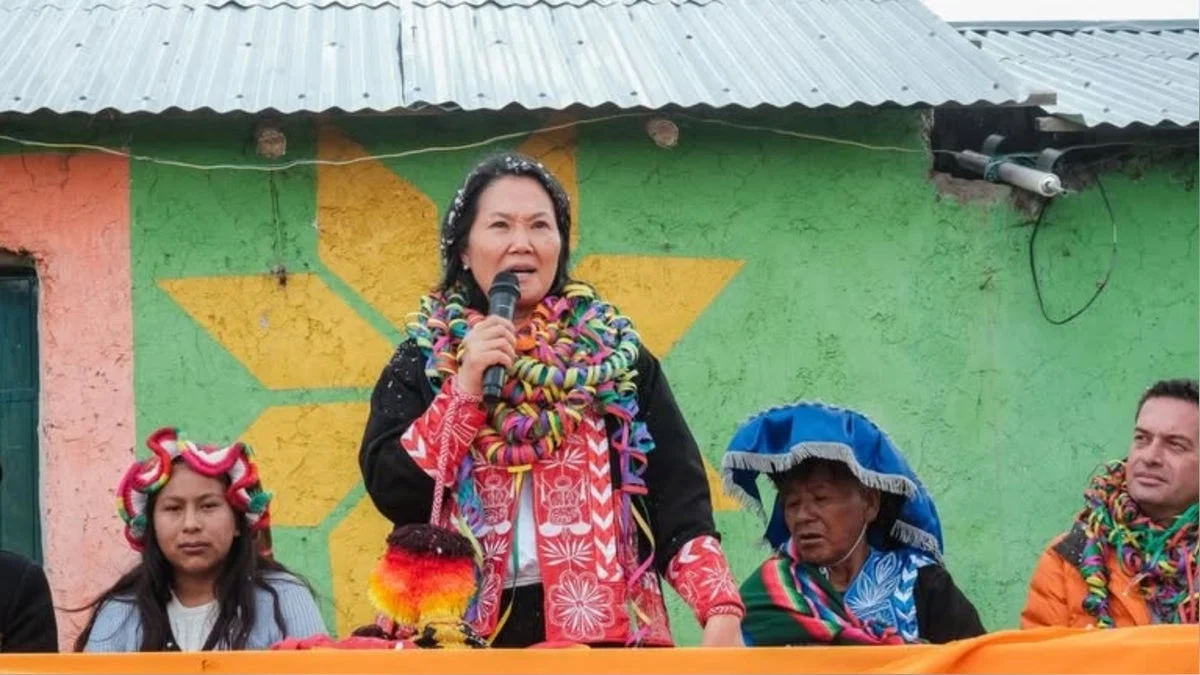
The political landscape in Peru remains in a state of flux, and for the administration of Keiko Fujimori, the path to long-term stability and consolidation lies in the rugged, politically complex regions of the southern Andes. According to political analyst Iván Arenas, the governing party, Fuerza Popular, faces a structural deficit that threatens its influence: a lack of "boots on the ground" operators capable of translating central government policy into regional reality.
While the party has made gains—notably securing approximately 96,000 votes in Puno during the last electoral cycle—these figures represent a potential foundation rather than a settled victory. To move beyond mere electoral performance, the administration must pivot from a Lima-centric strategy to a deeply localized, grassroots approach that integrates regional actors and addresses the immediate environmental and economic anxieties of the southern population.
Chronology: The Evolution of a Fractured Relationship
The relationship between the Fujimorist movement and the southern regions of Peru has been historically fraught with tension, characterized by periods of deep skepticism and occasional shifts in electoral behavior.
- The Historical Context (1990s–2010s): For decades, the political brand associated with the Fujimori name faced significant resistance in the southern "red belt," where social movements and traditional left-leaning ideologies maintained a firm grip on the electorate.
- The 2026 Electoral Turning Point: The most recent general election signaled a departure from historical norms. Despite deep-seated resistance, Fuerza Popular managed to penetrate traditional bastions of opposition, including Puno, securing nearly 100,000 votes—a figure that surprised many political observers.
- The Post-Election Transition: Following the inauguration of the current administration, the focus shifted from campaigning to governance. The challenge of sustaining this newfound support has become the central theme of the government’s internal policy discussions.
- The Current Phase: In the months leading up to the present, the administration has begun drafting regional development plans. However, analysts point out that these top-down directives are currently failing to connect with the local social fabric, creating a "communication vacuum" between the Presidential Palace in Lima and the agrarian communities of the south.
Supporting Data: Understanding the Southern Voter
To understand the urgency of Iván Arenas’s warnings, one must examine the demographic and economic realities of the south.
The Puno Factor
Puno serves as the primary case study for the administration’s regional strategy. With a unique blend of mining, agricultural, and livestock economies, the region is highly sensitive to national policy. The 96,000 votes obtained by Fuerza Popular were not necessarily an endorsement of the party’s long-term ideology, but rather a reflection of a desire for stability and a pivot away from the radical political instability of previous years.
Economic Vulnerability
The southern regions are currently facing a "perfect storm" of economic challenges:
- Climate Instability: The looming threat of the El Niño phenomenon is expected to cause severe droughts in the coming months, directly impacting the livelihoods of small-scale farmers and cattle ranchers.
- Infrastructure Deficits: A lack of connectivity between rural production centers and urban markets remains a primary driver of poverty.
- Formalization Struggles: The mining sector, a pillar of the regional economy, remains largely informal, leaving workers without legal protections and the state without tax revenue.
The Role of the "Political Operator"
In his analysis for RPP’s Las cosas como son, Iván Arenas highlighted a critical weakness in the current administration’s methodology. "The fujimorismo needs one thing, which I think is its main weakness right now… it does not have political operators," Arenas stated.
The Failure of Remote Governance
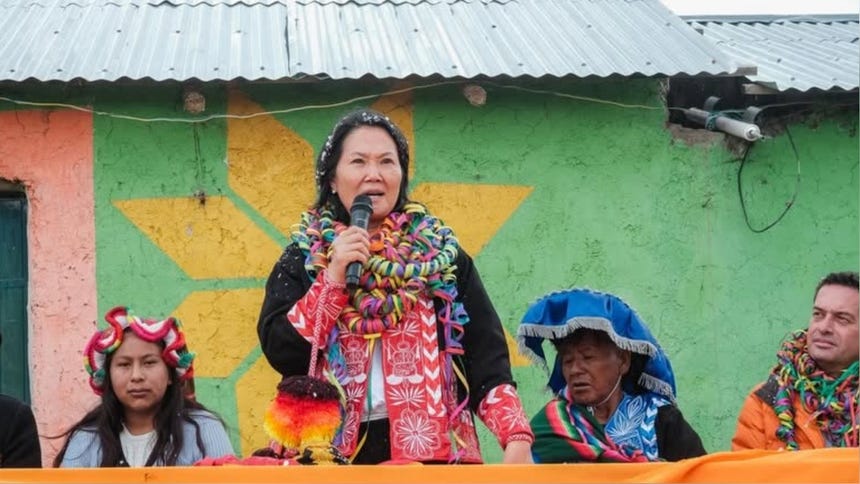
The analyst argues that the party currently relies on envoys sent from Lima to organize campaigns. These individuals often lack the cultural fluency and local connections required to sustain political support once the ballots have been counted. In the Andes, political influence is rarely bought through media campaigns alone; it is earned through long-term relationships with municipal authorities, local leaders, and community boards.
"Descending to the Plain"
Arenas uses the phrase "bajar al llano" (descending to the plain) to describe the necessity of direct engagement. For the administration to succeed, it must:
- Empower Local Authorities: Move beyond appointing loyalists and instead collaborate with mayors who already hold the trust of their constituents.
- Narrative Ownership: Currently, the government’s message is often lost or distorted by the time it reaches the provinces. Local operators are needed to articulate a narrative that resonates with the daily experiences of the southern citizen.
Official Responses and Strategic Pivot
The administration of Keiko Fujimori has signaled an awareness of these challenges, although the implementation remains in its infancy.
Addressing the Climate Crisis
The President has publicly acknowledged that the arrival of El Niño is a top priority. In recent meetings, the Executive branch has committed to strengthening social programs focused on education and nutrition to buffer the expected economic downturn. However, the government acknowledges that these programs must be supplemented by a robust "productive program" that supports the agricultural and livestock sectors.
The Mining Agenda
Formalization of the mining sector is the second pillar of the government’s southern strategy. By providing a legal framework for small-scale miners, the administration hopes to demonstrate that the state can be an ally rather than a barrier to economic prosperity. This is viewed as a vital step in reversing the historical perception of the central government as an extractive force that provides little in return.

Implications: A High-Stakes Political Gambit
The implications of this strategy go beyond the next election cycle. If Fuerza Popular fails to solidify its presence in the south, it risks becoming a "coastal-only" party, limiting its ability to govern a deeply polarized country.
Potential Risks of Inaction
- Electoral Volatility: The 96,000 votes in Puno are highly "liquid." Without a tangible improvement in the quality of life or a strong local presence, these voters are likely to return to the political margins or shift to emerging radical alternatives in the next cycle.
- Social Unrest: Should the government fail to adequately mitigate the impact of the El Niño droughts, the resulting social pressure could lead to a renewal of the protests that have periodically paralyzed the southern corridor.
The Path Forward
For the administration, the path forward is clear but arduous. Success will not be determined by the policies drafted in Lima, but by the effectiveness of the personnel deployed to the provinces.
"The fujimorismo has the challenge of consolidating itself politically in the area," Arenas concluded. "It can do this with the mayors, but it also needs the political operators. Ultimately, the political operators are the ones who will carry the voice and the narrative, they are the ones who will go down to the plain."
Ultimately, the administration is fighting for legitimacy in a region that has historically defined itself by its opposition to the center. To bridge this divide, Keiko Fujimori’s team must transition from a party of national ambition to a party of local connection. Whether the current administration possesses the organizational discipline to execute this shift remains one of the most significant questions in contemporary Peruvian politics. As the climate, the economy, and the electorate converge on a single point of crisis, the government’s ability to act in the south may well define the remainder of its term.