In a significant move to bolster urban development and improve the quality of life for its residents, the Municipal Government of El Alto has officially inaugurated a comprehensive package of road improvement works across the city’s District 14. This ambitious infrastructure initiative, which encompasses projects in 14 distinct urbanizations, represents a strategic investment of over Bs 1.8 million. The endeavor aims to address long-standing concerns regarding accessibility, safety, and hygiene, marking a pivotal moment for the local community.
Core Developments and Scope of Interventions
The infrastructure package is primarily focused on two critical areas: the installation of pavement tiles (enlosetado) and the construction of concrete sidewalk curbs. By upgrading these fundamental elements of the urban landscape, the municipal administration seeks to modernize the district’s street network, ensuring that transit—both vehicular and pedestrian—is safer and more efficient.
The project spans 14 different urbanizations within District 14. By standardizing the layout of these streets, the city is not merely improving aesthetics but is fundamentally changing the way residents interact with their local environment. The inclusion of sidewalk curbs, in particular, is a vital measure for road safety, as it provides a clear separation between motorized traffic and pedestrian zones, reducing the risk of accidents in densely populated residential areas.
Chronology: From Community Petition to Project Completion
The path to these improvements was paved by years of persistent advocacy from local neighborhood councils. The project did not manifest overnight; rather, it was the culmination of a rigorous planning and execution cycle:

- Identification of Needs: Recognizing the deterioration of local roads and the persistent issues caused by unpaved surfaces, local leaders in District 14 presented formal requests to the municipal authorities.
- Budget Allocation and Planning: Following the initial requests, the Municipal Government of El Alto conducted technical feasibility studies, leading to the allocation of a budget exceeding Bs 1.8 million to address the most critical areas.
- Execution Phase: Contractors and municipal teams deployed to the 14 targeted urbanizations, executing the earthworks, drainage considerations, and the physical laying of tiles and curbs.
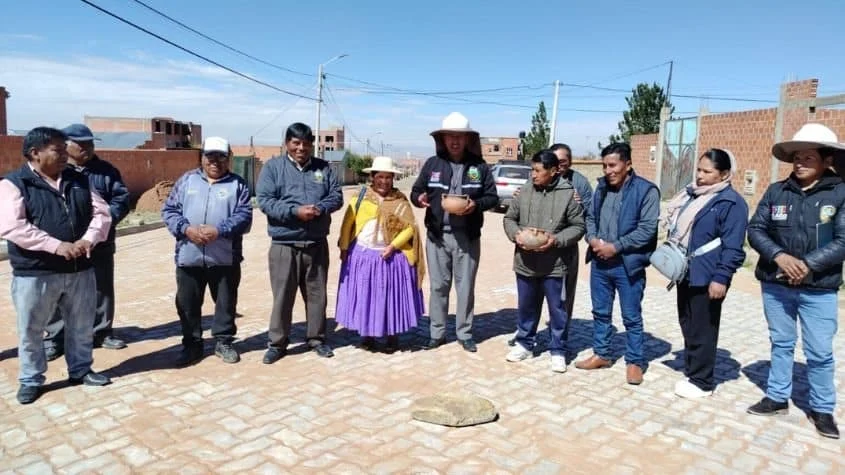
- Final Inspection and Handover: In a series of formal ceremonies held recently, the sub-alcalde of District 14, Edwin Casas Llante, officially delivered the completed works to the neighborhood representatives.
- Transition to Maintenance: With the official handover, the responsibility for the preservation of these new assets has been shared with the community, emphasizing a collaborative approach to urban stewardship.
Supporting Data: Why Infrastructure Matters
The impact of this investment can be measured not only in financial terms but in the tangible daily experiences of the residents. Historically, the unpaved streets in these sectors presented significant challenges:
- The Dust Problem: During the dry season, the lack of sealed roads caused immense amounts of dust to permeate homes, contributing to respiratory issues and complicating daily household maintenance.
- The Mud Problem: Conversely, during the rainy season, unpaved streets turned into channels of mud and water, rendering them nearly impassable for pedestrians and causing severe damage to vehicles.
- Economic Connectivity: Improved roads facilitate better access for public transport and emergency services, effectively linking these peripheral urbanizations to the broader economic hubs of El Alto.
By transitioning from dirt paths to formal street surfaces, the city is fostering an environment that encourages local commerce and increases property values, providing a long-term economic boost to the district.
Official Responses and Administrative Stewardship
Sub-alcalde Edwin Casas Llante, representing the Municipal Government, emphasized the administration’s commitment to prioritizing the needs of the residents. During the delivery ceremonies, he highlighted that these works were executed in direct response to the community’s demands, reinforcing the importance of a government that listens to its citizens.
"These projects are not just about the pavement; they are about the dignity of the people who live here," noted municipal representatives during the inauguration. By involving neighborhood leaders in the handover process, the municipality has ensured that there is a sense of ownership among the locals. The move to transfer maintenance oversight to the residents is a strategy designed to ensure the longevity of the infrastructure, encouraging community-led monitoring to prevent premature wear and tear.

Broader Implications for Urban Planning in El Alto
The initiative in District 14 serves as a microcosm for the larger urban challenges facing El Alto, one of the fastest-growing cities in Bolivia. As the city continues to expand, the demand for basic services—paved roads, drainage, and accessible sidewalks—will only increase.
Infrastructure as a Social Equalizer
The provision of these services is a fundamental exercise in social equity. By focusing on District 14, the municipality is signaling that peripheral urbanizations are just as critical to the city’s identity as the central zones. This prevents the emergence of "forgotten sectors" and ensures that all residents, regardless of their proximity to the city center, have access to reliable infrastructure.
Climate Resilience
One of the most critical aspects of the newly completed works is the integration of drainage systems associated with the sidewalk curbs. With changing weather patterns and the intensity of seasonal rainfall, proper road construction is essential for flood mitigation. The improved surfaces allow for better water runoff management, protecting homes from the damage associated with standing water and erosion.
Future Perspectives: The Path Forward
The success of this project raises the question of sustainability. The challenge now lies in the maintenance phase. The municipal government has set a precedent for transparency by clearly defining the scope of work and the budget involved. Moving forward, the city will likely look to replicate this model of "community-requested, municipally-executed" projects in other districts.

The collaboration between the Municipal Government and the residents of District 14 acts as a blueprint for future public works. It demonstrates that when citizens engage in the democratic process to identify their most pressing needs, and when the municipal administration provides the technical and financial support required, meaningful transformation is possible.
Conclusion: A Milestone for District 14
The delivery of this infrastructure package in District 14 is a significant achievement that directly impacts the quality of life for thousands of citizens. From the reduction of dust and mud to the enhanced safety for children walking to school and the improved transit for public vehicles, the benefits are multifaceted.
As the residents of the 14 urbanizations begin to enjoy their improved streets, the focus shifts toward the long-term utility of these assets. The investment of Bs 1.8 million is not merely a one-time expenditure; it is an investment in the future of the district. By fostering a collaborative relationship between the authorities and the public, the city of El Alto is demonstrating a proactive approach to the challenges of rapid urbanization.
This project stands as a testament to what can be achieved through diligent planning and responsive governance, setting a high standard for future development initiatives across the region. As the city grows, these paved paths will serve as the foundation upon which further social and economic development can be built, ensuring that District 14 remains a vibrant, accessible, and resilient part of the El Alto community.