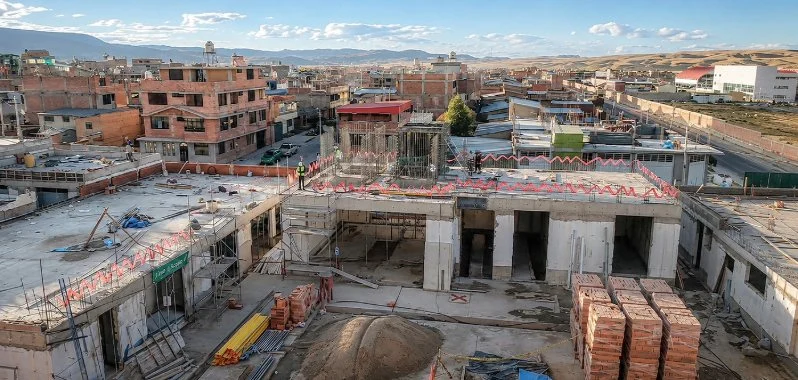
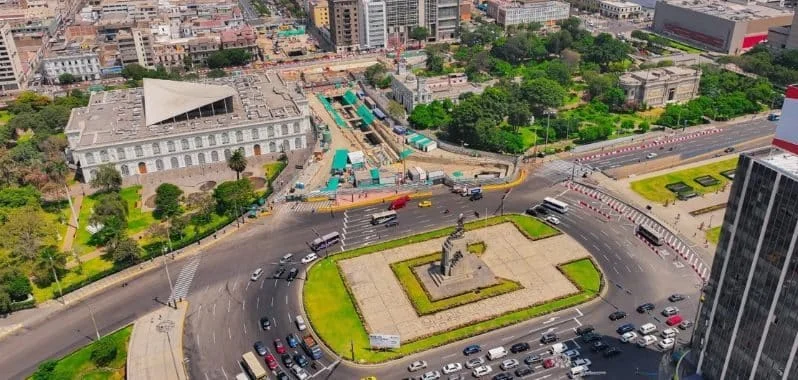
The transformation of Lima’s urban landscape has reached a pivotal milestone. The Estación Central, the centerpiece of the Line 2 Metro project, has successfully completed 100% of its structural civil works. As the massive underground cavern stands ready, the project has shifted its focus to the complex interior systems and the restoration of the urban surface, marking a definitive transition from heavy construction to systems integration and architectural finishing.
This development is not merely a technical success; it is the linchpin for the long-awaited multimodal connectivity between the underground Metro network and the existing Metropolitano bus system, promising to drastically reduce commute times for millions of Lima residents.
The Technical Shift: From Civil Works to Systems Integration
With the structural shell now fully solidified, the project enters what engineers describe as the "systems and finish" phase. This period is arguably more intricate than the excavation itself, as it involves the precise coordination of various specialized systems that will bring the station to life.
Currently, teams are working on the installation of essential electromechanical components. This includes the integration of state-of-the-art escalator systems, high-capacity elevators designed for accessibility, and advanced pumping chambers to ensure the station’s safety against subterranean water. Furthermore, the installation of lighting grids and the final aesthetic touches—the "architectural finishes"—are being applied to transform the industrial cavern into a functional, modern public space.
Beyond the underground work, a significant portion of the current effort is dedicated to the surface. The restoration of urban areas—rebuilding roads, sidewalks, and pedestrian zones that were occupied during the excavation process—is well underway. This is a critical step in alleviating the traffic congestion that has plagued the city center since the project’s inception.

Chronology of the Line 2 Metro Project
The journey of the Line 2 Metro has been one of ambition, delay, and persistent engineering progress. To understand the gravity of the current status, one must look at the project’s timeline:
- 2014: The concession contract is signed, marking the beginning of the largest infrastructure project in the history of the city.
- 2015-2017: Initial planning and logistical hurdles, including land acquisition and utility relocation, define the early years of the project.
- 2018-2021: Tunnelling operations gain momentum using the TBMs (Tunnel Boring Machines), though progress is slowed by technical complexities and, eventually, the global impact of the pandemic.
- 2023: Accelerated progress in the eastern sector sees the first testing phases and the beginning of operations for the initial stages.
- 2024-2025: Construction focus shifts decisively to the high-traffic corridor of the historic center, specifically the Estación Central.
- 2026 (Current Status): Completion of civil works for Estación Central; transition to systems integration.
- 2028 (Projected): Completion of the 1B segment (San Juan de Dios to Plaza Bolognesi).
- 2029 (Projected): Full operational capability of the entire network.
Supporting Data: Infrastructure and Connectivity
The Line 2 Metro is not just a train line; it is a transformative transit backbone. The project’s overall progress now sits at approximately 84%. The integration of the Estación Central is designed to serve as a hub where the east-west flow of the Metro meets the north-south axis of the Metropolitano.
According to data from the Autoridad de Transporte Urbano (ATU), the connection is expected to facilitate the movement of thousands of passengers per hour. Recent logistical relief has already been felt by the public; in August, the reopening of two lanes on Paseo Colón (Avenida 9 de Diciembre) between Jirón Washington and Plaza Grau provided immediate relief for the Corredor Morado buses, signaling that the project is prioritizing urban flow even before the station fully opens.
While the milestone at Estación Central is significant, officials are transparent about the remaining timeline. The 1B segment, stretching from San Juan de Dios to Plaza Bolognesi, is slated for completion in 2028. It is essential to note that this date marks the completion of the physical corridor; it does not necessarily guarantee that every individual station within that stretch will be fully operational for passenger boarding on day one. The holistic, fully-integrated network is expected to reach total capacity by the end of 2029.
Official Responses and Strategic Outlook
The leadership at the Ministry of Transport and the ATU have maintained that the project’s complexity necessitates a phased approach. The focus remains on "strategic connectivity." By prioritizing the connection between Ate, the historic center of Lima, and eventually Callao, the project aims to unlock the greatest economic benefits first.

"We are building a legacy project," a spokesperson for the construction consortium stated. "The transition from the shell to the electromechanical phase is where the station gains its intelligence. It is where we install the signals, the communication arrays, and the safety protocols that will govern the movement of thousands of commuters every day."
Critics of the project have long pointed to the duration of the construction, which has significantly altered the daily lives of those working and living in the city center. However, officials argue that the scale of the subterranean work—which had to navigate sensitive historic foundations and complex soil compositions—has been a feat of engineering that requires patience to ensure long-term structural integrity.
Implications for Lima’s Future
The completion of the Estación Central carries profound implications for the city:
1. Socio-Economic Mobility
By drastically reducing travel times from the eastern outskirts of the city to the central business and historic districts, the Metro will lower the "cost of time" for thousands of workers. This effectively expands the labor market, allowing residents in previously isolated areas better access to jobs, education, and healthcare.
2. Urban Revitalization
The restoration of surface areas, including modernizing the pavement and pedestrian walkways, serves as a catalyst for local commerce. Increased foot traffic in the center of Lima is expected to support small businesses that have struggled during the prolonged construction period.

3. Environmental Impact
A shift toward an electrified, high-capacity underground rail system is the most effective tool for reducing the city’s carbon footprint. By decreasing the reliance on old, diesel-powered buses and private vehicles in the city’s most congested corridors, the project contributes directly to improved air quality and reduced noise pollution.
4. Multimodal Synergy
The success of the connection with the Metropolitano is the ultimate test of the system. If the transfer process between the underground rail and the surface bus lanes is seamless, it will serve as a model for future expansions of Lima’s transit network.
A Path Forward
As the final systems are installed, the focus of the public and the media will undoubtedly shift toward the final testing phases. The installation of the station’s "nervous system"—the communications and command software—will determine the reliability of the service.
For the citizens of Lima, the sight of the station’s surface being restored is a tangible promise of an end to the disruption. While the 2029 target for the full network may seem distant to some, the current progress at Estación Central proves that the most difficult engineering hurdles have been cleared. Lima is on the cusp of a transit revolution, one that will redefine the city’s geography and the quality of life for its inhabitants for decades to come.
The coming months will be defined by the quiet, meticulous work of technicians, engineers, and urban planners working deep beneath the city streets, stitching together a modern, efficient, and interconnected capital.