In a decisive maneuver to safeguard one of the Amazon’s most critical water sources, the Peruvian government has executed a high-stakes operation against illegal mining syndicates operating in the Nanay River basin, located in the Loreto region. The joint intervention, spearheaded by the Ministry of the Environment (Minam) and the National Service of Protected Natural Areas (Sernanp), resulted in the total destruction of 10 illegal gold-dredging vessels and the detention of three individuals, dealing a significant blow to the criminal logistics networks currently ravaging the basin.
The operation, which targeted the remote sector of Ponal, represents a strategic escalation in the state’s ongoing battle to curb the proliferation of illegal gold extraction, an activity that threatens both the ecological integrity of the rainforest and the fundamental water supply for the city of Iquitos.
Main Facts: A Coordinated Strike Against Ecological Crime
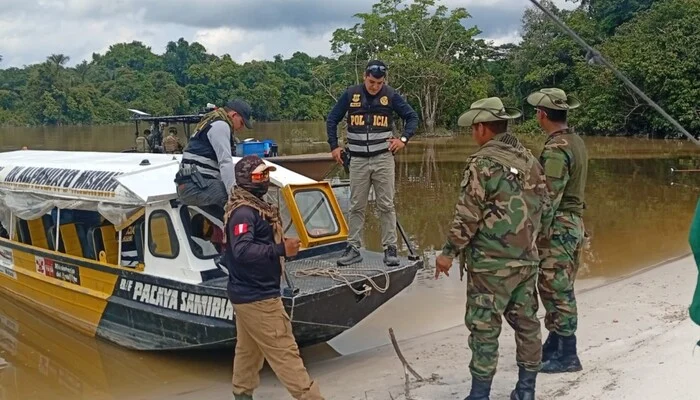
The operation was not a localized event but a synchronized multi-agency effort. The logistical complexity of reaching the deep-jungle mining sites required the integration of specialized forces, including the Specialized Environmental Prosecutor’s Office (FEMA) of Maynas, the Peruvian National Police (PNP) through its Environmental Directorate (DIRMEAMB), and the Peruvian Navy.
The primary objective was to dismantle the infrastructure used for illegal dredging. By neutralizing 10 dragas—the heavy machinery used to suck river sediment and sift for gold—the authorities effectively halted the production cycle of these criminal groups. Beyond the equipment, the intervention yielded significant arrests. Two individuals were apprehended while in possession of mercury, a highly toxic substance essential to the gold-amalgamation process but catastrophic when introduced into the aquatic ecosystem. A third individual was arrested for the suspected transportation of cocaine hydrochloride, highlighting the growing convergence between illegal mining operations and organized drug trafficking networks in the Amazon basin.
Chronology of the Intervention
The operation unfolded over a span of critical hours in the Ponal sector, a region notorious for its accessibility to illegal miners despite its status as a protected environmental zone.
- Early Intelligence Phase: For weeks, surveillance teams from Sernanp, stationed at the Yarana Surveillance and Control Post, monitored suspicious patterns of supply boat traffic moving upstream.
- Deployment: Under the cover of tactical secrecy, the joint forces moved into the Nanay basin, utilizing river-based patrol vessels to surround the identified coordinates.
- The Interdiction: Upon arrival at the Ponal site, authorities caught the operators mid-extraction. The immediate focus was the disabling of the 10 identified dragas. By applying controlled destruction, the task force ensured that the machinery could no longer be salvaged or repurposed by the mining syndicates.
- Evidence Collection and Arrests: Simultaneously, ground teams intercepted vessels attempting to flee the area. It was during these secondary stops that the illicit shipments of mercury and narcotics were seized, leading to the formal detention of the three individuals now under investigation by the Public Ministry.
- Consolidation: The operation concluded with the clearing of the area and the establishment of a reinforced perimeter to ensure that no further mining infrastructure could be reconstructed in the immediate aftermath.
Supporting Data: The High Cost of Illegal Gold
To understand the necessity of this operation, one must analyze the environmental and social costs of illegal mining in the Nanay River. The Nanay River is not merely a waterway; it is the primary source of drinking water for hundreds of thousands of residents in Iquitos.
The Mercury Crisis
Mercury is a neurotoxin that accumulates in the food chain. When miners use it to isolate gold, excess amounts are dumped directly into the river. This contamination affects the local fish populations—the primary protein source for riverside communities—leading to long-term health crises, including neurological damage and developmental issues in children. The seizure of mercury during this operation prevents the future contamination of thousands of liters of river water.
The Logistical Chain
Illegal mining in the Amazon is not a disorganized affair. It relies on a "shadow logistics" network. Miners require a constant supply of fuel, food, equipment parts, and, increasingly, illicit substances to manage their labor forces. By disrupting the transport of these goods, the government is shifting its strategy from reactive "whack-a-mole" tactics to proactive economic warfare against the syndicates. The inclusion of narcotics in the seized goods suggests that these illegal miners are diversifying their revenue streams, making the Nanay basin a nexus for multi-faceted criminal activity.
Official Responses and Strategic Policy
Government officials have emphasized that this operation is part of a larger, long-term strategic shift.
"The protection of the Nanay basin is not a negotiable priority," stated a representative from the Ministry of the Environment. "It is a matter of public health and national security. Our presence at the Yarana station is permanent because the threat to the water supply of Iquitos is constant."

The collaboration between the PNP, the Navy, and the environmental prosecutors marks a maturation in inter-institutional coordination. Historically, fragmented efforts allowed illegal miners to escape during jurisdictional disputes. The current model, where the Sernanp provides the environmental expertise and the Navy and Police provide the enforcement muscle, has proven to be the most effective deterrent yet.
The Public Ministry has confirmed that the three detainees are currently being processed under the Environmental Crimes Law, which carries heavy prison sentences for those found guilty of polluting river basins and operating illegal industrial equipment.
Implications: The Future of the Nanay Basin
The success of the Ponal operation raises several critical questions about the future of the Amazonian landscape.
1. The Need for Sustained Presence
The removal of 10 dragas is a victory, but the history of the Amazon shows that illegal miners often return once the patrol vessels leave. The government’s commitment to "permanent presence" at the Yarana station is the only way to prevent the rapid re-establishment of these operations. This requires sustained budgetary allocation and political willpower, even when the news cycle shifts to other topics.
2. Environmental Restoration
While interdiction stops the bleeding, it does not heal the wound. The Nanay riverbed has been physically altered by these dredges, and the chemical legacy of mercury will persist for years. The next phase for the Minam must be the implementation of bioremediation programs and the restoration of the riverbanks destroyed by the illegal mining activity.
3. Economic Alternatives for Local Populations
The illicit mining economy often recruits from local, impoverished communities who see no other way to survive. A truly comprehensive strategy must include economic alternatives—sustainable forestry, ecotourism, and managed aquaculture—to ensure that the local population has a stake in the preservation of the river, rather than its exploitation.
4. A Model for Other Basins
The coordinated effort in the Nanay serves as a pilot model for other regions, such as the Madre de Dios basin, which has suffered even more extensive damage from illegal mining. If the Minam and the security forces can refine the logistical interdiction of supply chains, this "Nanay Model" could provide the blueprint for reclaiming protected areas across the entire Peruvian Amazon.
Conclusion
The recent intervention in the Nanay River basin is a testament to what the Peruvian state can achieve when its institutions align with a common goal: the protection of the nation’s natural heritage. By destroying the machinery of destruction and disrupting the logistical supply lines of criminal actors, the government has sent a clear message that the exploitation of the Amazon will be met with force.
However, the war for the Nanay is far from over. As criminal organizations become more sophisticated and integrated with other illegal trades, the state must match that evolution with constant surveillance, legal reform, and a commitment to the long-term well-being of the Iquitos population. The Ponal operation is a vital victory, but it is ultimately a single chapter in a much larger struggle to decide whether the Amazon will remain a thriving ecosystem or be sacrificed on the altar of short-term illicit profit. The eyes of the international environmental community remain fixed on the Nanay, watching to see if this momentum can be sustained in the face of persistent, and often dangerous, opposition.