The Peruvian government is entering a critical phase of its administration. As the Executive branch finalizes the details of a comprehensive request for delegated legislative powers, the political landscape in Lima remains attentive. Minister of Agrarian Development and Irrigation, Marco Vinelli, confirmed this week that the proposal, which aims to provide the administration with the tools necessary to address urgent national issues, is in its final stages of drafting and will be presented to Congress within the coming days.
This legislative maneuver is viewed by political analysts as a definitive test for the administration of President Keiko Fujimori. By seeking to bypass the traditional, slow-moving legislative process for specific reforms, the Executive is signaling an intent to accelerate its policy agenda, particularly in the realms of public security and economic resilience against environmental phenomena.
The Roadmap to Delegation: Main Facts and Timeline
The process of requesting legislative powers—a constitutional mechanism that allows the Executive to enact laws via legislative decrees on specific matters for a limited time—has been a focal point of recent political discourse.
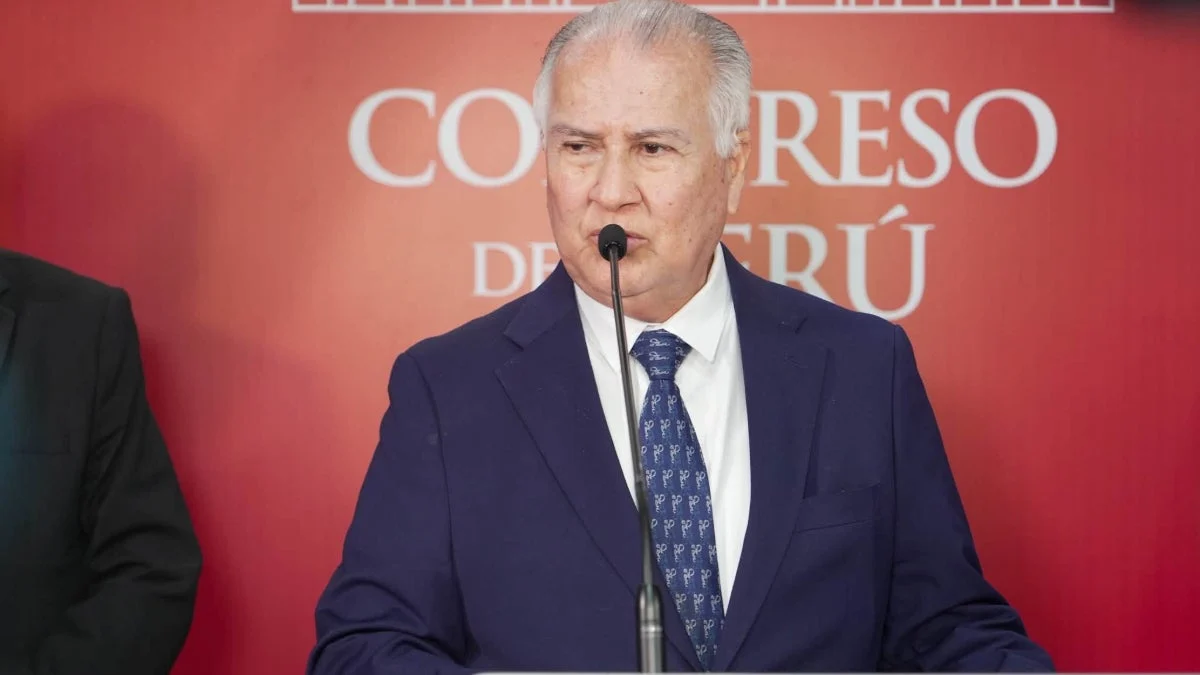
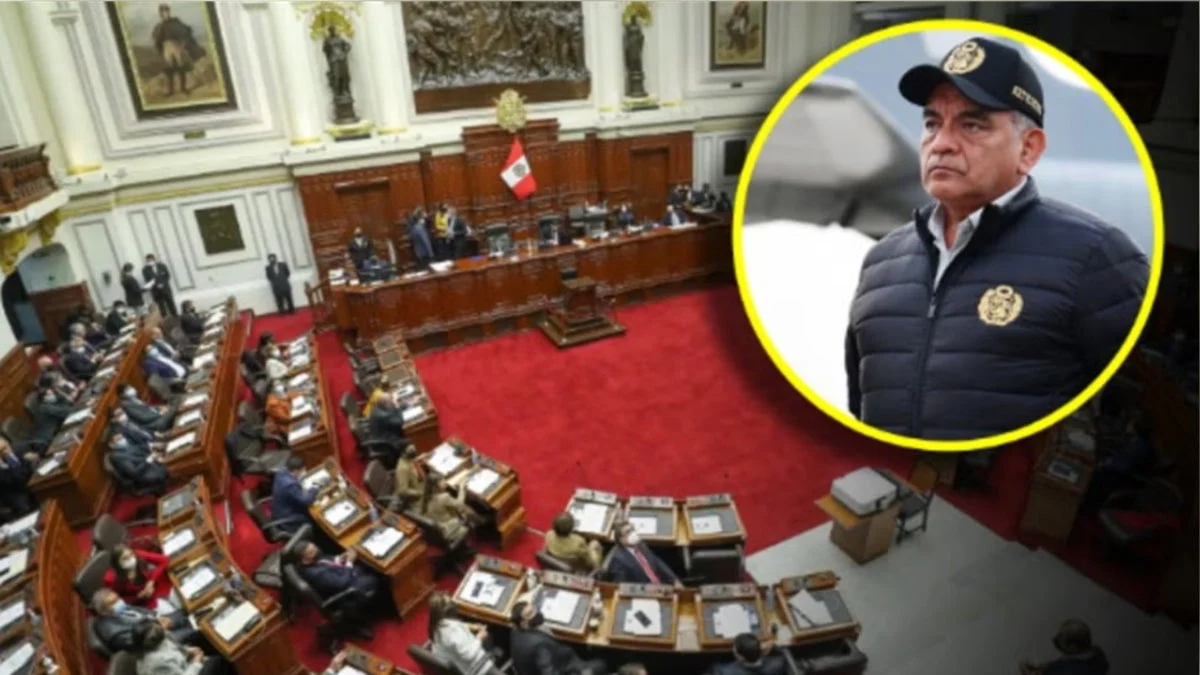
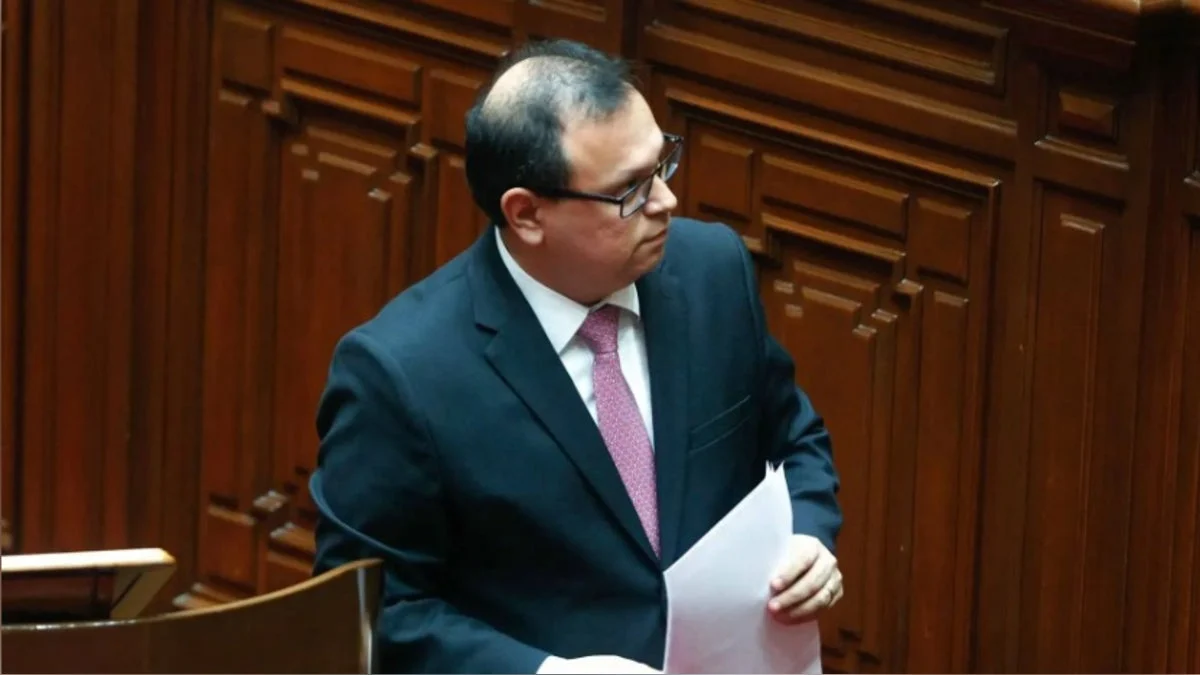
Minister Marco Vinelli confirmed on Monday that the draft proposal is currently undergoing a rigorous process of technical and political scrutiny by the Council of Ministers. "It involves all sectors; the Presidency of the Council of Ministers is overseeing the coordination," Vinelli stated following a high-level meeting at the Legislative Palace with the President of Congress, Miguel Ángel Torres.
The Chronology of the Initiative
- Initial Planning (First 25 Days): Since the inception of the current administration, the focus has been on diagnostic assessments. Minister Vinelli highlighted that the government has already formed specialized commissions to address immediate threats, such as the looming impact of the El Niño phenomenon and severe drought conditions affecting the Andean and Amazonian regions.
- The Sunday Announcement: The sense of urgency was amplified on Sunday when President Keiko Fujimori took to social media to confirm that the Cabinet, led by Luis Galarreta, would formalize the request before the week’s end.
- The Current Phase: As of today, the document is in its final review stage. According to government sources, the administration intends to submit the package within 48 to 72 hours, effectively keeping the promise of a swift legislative rollout.
Addressing the Climate Crisis: The Agricultural Perspective
A significant portion of the requested powers is expected to focus on the Ministry of Agrarian Development and Irrigation. With the shadow of El Niño looming over the country, the government is scrambling to implement infrastructure and relief measures that require immediate budgetary and legal backing.
"The work has not only been about drafting the request for faculties, but also about a comprehensive diagnosis of our current standing," Minister Vinelli explained. The government has identified critical gaps in how the state prepares for climate-related disasters. For the agricultural sector, the objective is to secure specific, agile budgetary allocations to mitigate the impacts of drought in the highland and jungle regions, which are essential for national food security.
The Security Imperative: A Pillar of the Request
While the agricultural and economic aspects are critical, the core motivation behind the push for legislative powers is the worsening insecurity in the country. President Fujimori has been clear: the Executive requires specialized legal frameworks to combat organized crime effectively.
The President has explicitly stated that these powers are intended to implement "severe and strategic measures." Among the most anticipated proposals is the integration of the financial system and telecommunications operators into the national anti-crime apparatus. By gaining the power to legislate on these fronts, the government aims to:
- Track illicit financial flows: Increasing transparency and oversight to combat money laundering associated with criminal organizations.
- Enhance digital security: Establishing tighter protocols with telecommunications companies to prevent extortion and cyber-enabled criminal activities.
This approach reflects a broader, more aggressive stance on public safety that the administration hopes will resonate with a public weary of rising crime rates.
Political Implications and Congressional Dynamics
The relationship between the Executive and the Legislative branches is historically complex in Peru. The administration’s decision to fast-track this request is a calculated risk. By framing the need for these powers as a necessity for "national urgency," the government is applying pressure on the opposition to expedite the review process.
President Fujimori’s remarks, in which she contrasted her government’s timeline (less than 30 days) with the records of previous administrations (which often took over 40 days to present similar requests), serve a dual purpose. On one hand, it highlights her administration’s efficiency; on the other, it serves as a subtle jab at the perceived sluggishness of her predecessors.
The Opposition’s Stance
While the government maintains that these powers are essential for the survival of the state’s key initiatives, opposition members in Congress have signaled that they will be scrutinizing the scope of the request. The concern, as often expressed in the Peruvian Congress, is that broad legislative powers could lead to the overreach of the Executive branch. However, with the current climate of public concern over security and economic stability, the government appears to have enough political capital to secure the necessary votes.
Supporting Data and Future Outlook
The urgency of the request is backed by recent economic and social indicators. Peru, like many nations in the region, faces a period of economic uncertainty. The government’s focus on "structural reforms" within the request is intended to stimulate the economy, particularly in the provinces where agricultural output has been threatened by water scarcity.
The "diagnostic" phase mentioned by Minister Vinelli is not merely a bureaucratic step; it is the evidence base the government will use to defend its requests before the Congressional Constitution Committee. If the government succeeds in securing these powers, it will have the mandate to issue dozens of legislative decrees without the need for individual Congressional debates on each point. This could lead to a radical shift in how the country manages internal security and agricultural risk management within the next six months.
Conclusion: A Turning Point for the Administration
The upcoming submission of the legislative powers request marks the end of the "honeymoon" phase for the Fujimori-Galarreta administration. The next few days will be characterized by intense lobbying, back-channel negotiations with party leaders in Congress, and public campaigns to explain why these extraordinary powers are required to save the country from current crises.
Whether this request is met with widespread support or contentious debate remains to be seen. However, one thing is certain: the Executive has placed its reputation on the line. By moving this quickly, the government has set a high bar for performance, leaving little room for error. If the granted powers lead to tangible improvements in security and effective climate disaster management, the administration will have solidified its political standing. If not, the government risks losing the very support that allowed it to fast-track this legislative agenda in the first place.
As the documents are finalized in the halls of the Presidency of the Council of Ministers, the eyes of the nation remain fixed on the legislative calendar. The coming week will not only define the legal tools available to the government but will likely determine the trajectory of the entire administration’s reformist agenda.