Executive Summary: A Coordinated Front Against Climate Uncertainty
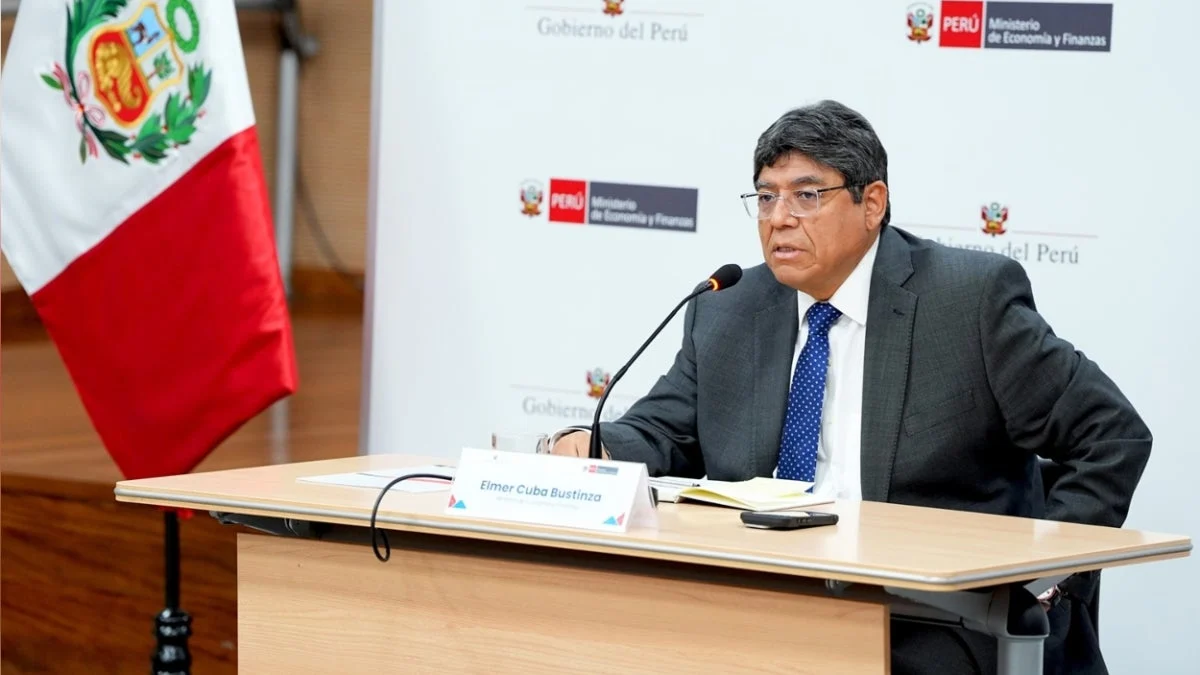
As meteorologists and climate experts raise the alarm regarding an impending and potentially extraordinary El Niño phenomenon, the Peruvian government has taken a decisive step toward national preparedness. The Minister of Economy and Finance, Elmer Cuba, recently announced the formation of a "Unified Command," a strategic alliance designed to synchronize public-sector resources with the logistical capacity and operational expertise of the private sector.
Speaking at the International Meeting on Social Management and Sustainability (GESS 2026), Minister Cuba emphasized that the goal of this collaboration is to eliminate bureaucratic redundancy and ensure that disaster mitigation efforts are executed with precision. By integrating government ministries with major business associations, the state aims to protect both the population and the critical economic infrastructure that keeps the nation running during climate-induced emergencies.
The Chronology of Crisis Management
The path toward this unified response has been characterized by escalating concern and a shift from reactive to proactive governance.
- Early 2026: Scientific monitoring begins to suggest a high probability of an extraordinary El Niño event, characterized by abnormal warming of Pacific surface temperatures and the subsequent disruption of rainfall patterns.
- Mid-2026: Economic reports reveal a deceleration in Peru’s GDP, partially attributed to initial climate-related shocks. The government recognizes that fiscal policy must adapt to mitigate long-term damage.
- August 2026: Carlos Neuhaus, a prominent leader in the private sector, announces the formation of a private-sector-led command. This group, representing major industrial and agricultural sectors, reaches out to the government to provide resources, logistical aid, and technical support.
- September 2026 (Present): Minister Elmer Cuba formalizes the "Unified Command" structure, signaling a formal bridge between the Ministry of Economy and Finance (MEF) and the private sector stakeholders.
Supporting Data: The Economic Toll of Climate Instability
The urgency behind Minister Cuba’s initiative is rooted in cold, hard economic data. The previous months have seen a noticeable slowdown in the Peruvian economy, with June 2026 growth figures hitting their lowest point of the year. Historically, El Niño has served as a primary catalyst for supply chain disruptions, infrastructure destruction, and agricultural losses in the region.
The Industrial Landscape
The private sector entities joining this initiative—including the National Society of Industries (SNI), the Confederation of Private Business Institutions (Confiep), the Association of Agrarian Producer Guilds (AGAP), and the National Society of Mining, Petroleum, and Energy (SNMPE)—represent the backbone of the Peruvian economy.
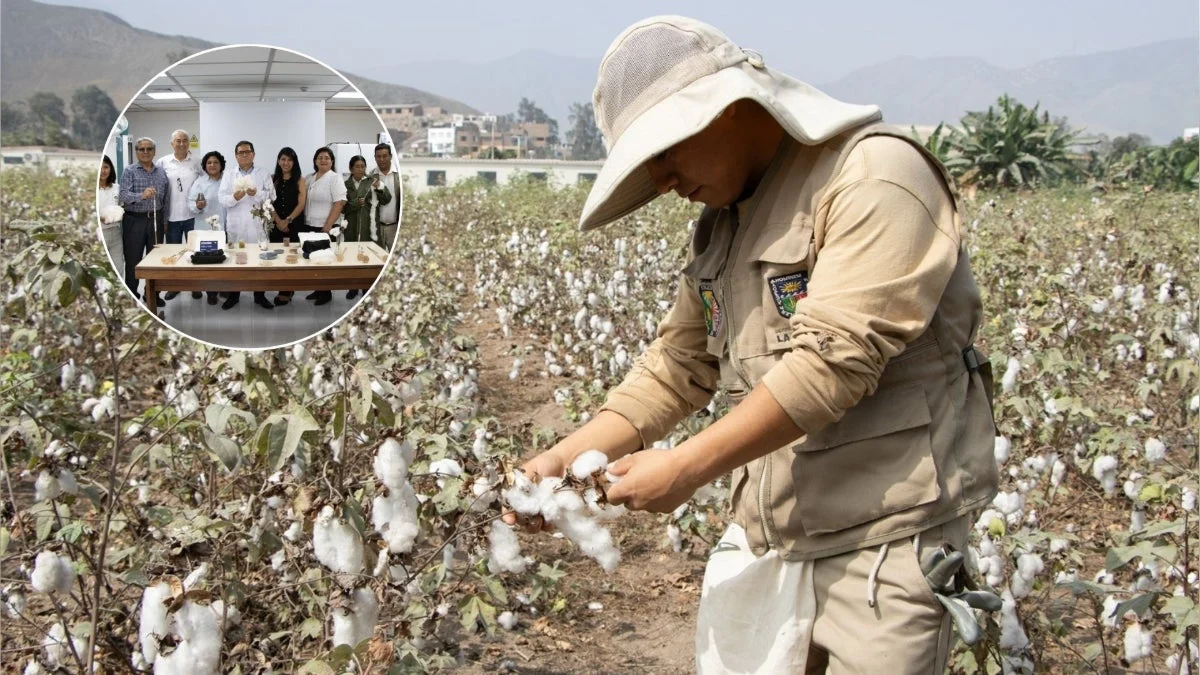
- Agricultural Impact: AGAP’s involvement is critical, as extreme rainfall often leads to the destruction of irrigation systems and loss of harvests, which risks both domestic food security and export revenues.
- Mining and Energy: As a major driver of national income, the mining sector requires continuous logistics and power supply. Protecting these operations is vital to maintaining the national budget’s stability during the crisis.
Official Responses and Strategic Alliances
The Role of the National Commission
The "Unified Command" led by Minister Cuba operates in parallel with the National Commission for the Management of the Risk of El Niño. This high-level commission, chaired by the Minister of Agrarian Development and Irrigation, Marco Vinelli, acts as the primary governmental steering body. Its composition is cross-departmental, including:
- Ministry of Defense (Logistics and rapid response)
- Ministry of Economy and Finance (Fiscal oversight)
- Ministry of Housing, Construction, and Sanitation (Infrastructure repair and urban resilience)
- National Institute of Civil Defense (INDECI)
- National Water Authority (ANA)
By merging this commission’s mandate with the private sector’s operational agility, the government expects to accelerate the distribution of essential supplies and the deployment of heavy machinery for drainage and road reinforcement.
Minister Cuba’s Commitment
Minister Cuba was clear in his assessment of the current state of affairs: "I have summoned the ministers responsible for El Niño and the private sector, which wants to collaborate, to form a unified command so that we don’t cross paths, but act in an organized manner."
While the minister has refrained from disclosing the exact budget to be allocated, he confirmed that the financial framework will be solidified through urgent decrees (decretos de urgencia) to be released within the coming week. These measures are expected to facilitate the immediate transfer of public funds to local governments and key sectors requiring urgent preventive infrastructure.
Implications: Building Long-Term Resilience
The implications of this coordinated approach are profound for Peru’s development.
1. Fiscal Stability
By mobilizing the private sector, the government is essentially "crowdsourcing" a portion of the response. This reduces the immediate strain on the national treasury and allows the Ministry of Economy to allocate funds more strategically toward long-term reconstruction rather than just emergency relief.
2. Efficiency and "Zero Redundancy"
A frequent criticism of past disaster responses in Peru has been the "silo effect," where different state agencies and private groups work in isolation, leading to wasted resources and delayed impact. The Unified Command is designed specifically to break these silos. By sharing data on logistics, transport routes, and equipment availability, the private and public sectors can ensure that aid reaches the most vulnerable regions without bureaucratic bottlenecks.
3. Sustainability and Social Responsibility
The involvement of the GESS 2026 framework indicates that this is not merely a disaster relief operation; it is a sustainability strategy. As the country faces the existential threat of climate change, the government is signaling that economic growth and environmental risk management are intrinsically linked. The private sector’s willingness to invest in these measures is a testament to the growing realization that sustainable business practices are essential for survival in a volatile climate.
Looking Ahead: The Path to Mitigation
As the nation waits for the formal release of the government’s emergency funding decrees, the mood among stakeholders is one of cautious optimism. The threat posed by an "extraordinary" El Niño is significant, but the institutional maturity shown by the creation of a cross-sectoral Unified Command marks a turning point in how Peru addresses climate risk.
The coming weeks will be critical. The effectiveness of the Unified Command will be measured not by the rhetoric of its formation, but by the tangible impact of its actions on the ground: the reinforcement of bridges, the protection of drainage systems in urban centers, and the maintenance of supply chains for the most isolated communities.
Minister Cuba and his counterparts face a difficult challenge, but by bridging the divide between the state and the private sector, they have established the most essential prerequisite for crisis management: Unity of purpose. As the climate data continues to evolve, the strength of this alliance will likely be the primary determinant of whether Peru successfully navigates the turbulent waters of the coming season or faces a systemic economic setback.
The government’s message remains consistent: the state is preparing, the private sector is ready, and the resources are being mobilized to ensure that the impact of El Niño is minimized for every citizen.