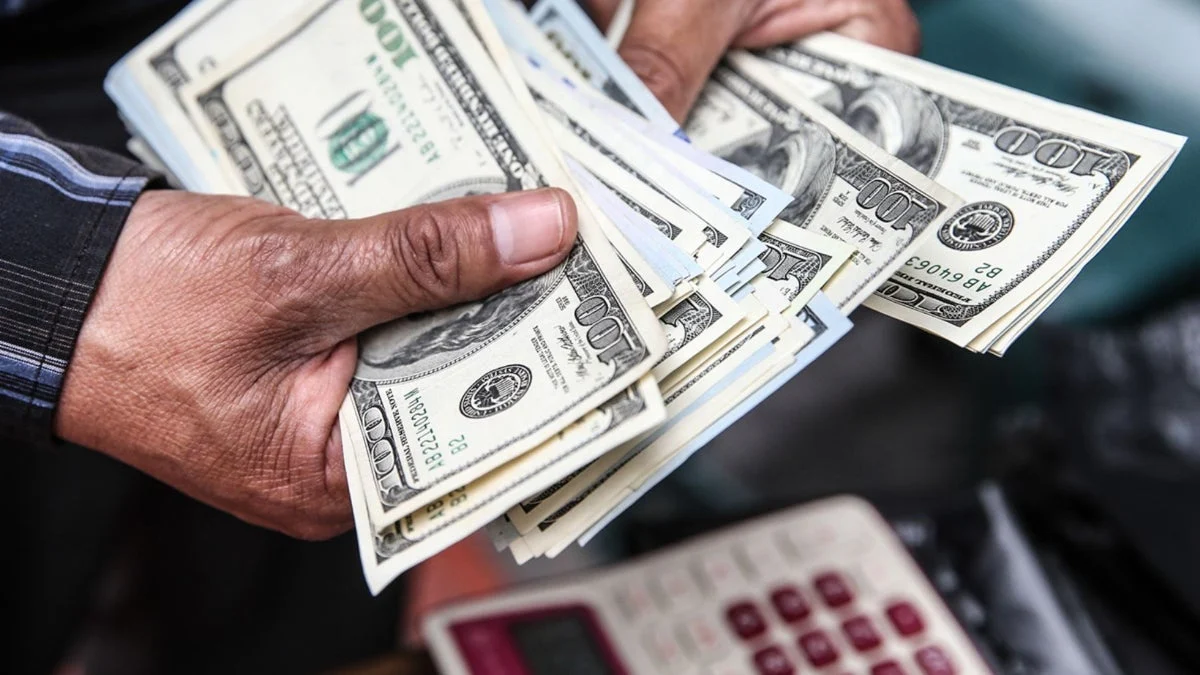
The Peruvian foreign exchange market is currently navigating a period of heightened turbulence as the U.S. dollar maintains a firm upward trajectory. As of Monday, September 28, the exchange rate in Peru surged to S/3.442, a significant jump from its Friday close of S/3.417. This latest move marks a continuous string of daily gains, further extending a rally that began when the dollar was trading at approximately S/3.35 just a week prior.
This sustained appreciation of the greenback is not an isolated phenomenon limited to the Peruvian economy; rather, it is the result of a "perfect storm" of macroeconomic pressures. From the volatile fluctuations in global crude oil prices to the aggressive monetary policy stance of the U.S. Federal Reserve and the simmering geopolitical tensions between Washington and Tehran, the global financial landscape is currently favoring the dollar as a primary "safe-haven" asset.
Chronology of a Market Rally
The recent movement of the exchange rate illustrates a rapid shift in investor sentiment. In early September, the local market operated within a relatively stable range. However, as mid-month economic indicators from the United States began to hint at sustained inflationary pressure, the dollar started to claw back strength against the sol.
- The Baseline: At the start of the previous week, the dollar hovered around the S/3.35 mark.
- The Mid-Week Acceleration: As oil prices breached the US$106.8 per barrel threshold—representing a surge of over 2%—investors began recalibrating their portfolios.
- The Weekend Shift: By Friday, the currency had reached S/3.417, signaling that the momentum was not merely a temporary blip but a structural trend driven by external yield differentials.
- The Monday Peak: Opening the new week at S/3.442, the market demonstrated a clear reaction to the hardening stance of U.S. monetary policy and the breakdown of diplomatic de-escalation in the Middle East.
Supporting Data: The Drivers of Volatility
To understand the current volatility, one must analyze the interplay between energy markets and interest rate expectations. César Huiman, senior analyst at Renta 4 SAB Perú, emphasizes that the price of crude oil is the primary catalyst for current inflationary fears. When oil prices remain elevated, the cost of production and logistics rises globally, forcing central banks to maintain higher interest rates for longer periods to suppress "imported" inflation.
The Bond Market’s Influence
The strength of the dollar is intrinsically linked to the performance of U.S. Treasury bonds. Recent data shows that the yield on the 10-year Treasury note has surpassed the 5.2% mark, while the 30-year bond has climbed above 5.5%.
These figures are critical for investors. When U.S. government debt—considered one of the safest investments in the world—offers such attractive yields, global capital tends to flow away from emerging markets, such as Peru, and into dollar-denominated assets. This "flight to quality" effectively drains liquidity from the sol and puts downward pressure on the local currency.
Geopolitical Friction: The Iran Factor
Geopolitical instability remains a wildcard that market participants are struggling to quantify. The rejection by the U.S. administration of Iranian proposals for a ceasefire has reignited fears of a protracted conflict in the Middle East. Such conflicts historically correlate with spikes in oil prices, as investors price in the risk of supply chain disruptions in the Persian Gulf. As Huiman notes, the market is currently "pricing in" a high-risk scenario, which reinforces the status of the dollar as the ultimate hedge against geopolitical uncertainty.
Official Responses and Monetary Policy
The response from financial authorities is being monitored with intense scrutiny. The Federal Reserve’s recent decision to raise interest rates has sent shockwaves through emerging markets. Melvin Escudero, a renowned specialist in financial markets, notes that the nervousness within the U.S. economic framework is being exported globally.
"The latest economic indicators from the United States have fueled expectations that the Fed might be forced into further rate hikes to combat persistent inflation," Escudero explained. This expectation of a "higher-for-longer" interest rate environment in the U.S. is the primary driver of the depreciation seen in the Peruvian sol and other regional currencies.
The Domestic Response: Will the BCRP Intervene?
In Lima, the conversation has shifted toward whether the Central Reserve Bank of Peru (BCRP) will follow suit with a rate hike of its own. While the BCRP has historically maintained a prudent stance, the pressure to defend the currency is mounting.
President of the BCRP, Julio Velarde, has signaled that the central bank is prepared to adjust the reference interest rate if economic conditions necessitate such action. While a rate hike could help curb inflationary pressure and stabilize the exchange rate, it poses the risk of cooling domestic economic growth, which is already facing headwinds. The BCRP remains equipped with significant international reserves and a suite of intervention tools, which they have used in the past to mitigate "excessive volatility," though they typically prefer to allow the market to find its own equilibrium.
Implications for the Peruvian Economy
The rise of the dollar beyond S/3.44 has profound implications for both the macroeconomy and the average Peruvian consumer.
Inflationary Pressures
Because Peru is a net importer of fuel and various agricultural inputs, a stronger dollar directly translates to higher domestic prices. This creates a vicious cycle: as the dollar rises, the cost of goods increases, which can lead to higher inflation. If inflation exceeds the BCRP’s target range, the central bank is forced to tighten monetary policy, which can further impact lending rates for mortgages and business loans.
Risks of the "El Niño" Phenomenon
Looking toward the future, experts like Melvin Escudero warn that external factors are not the only threats. The potential for a strong El Niño climate phenomenon looms over the economy. Should such an event occur, it could cause significant disruptions to agricultural exports and domestic supply chains. If the country is simultaneously dealing with high energy costs and a depreciating currency, the economic impact could be amplified, creating a more complex environment for policymakers.
Future Outlook: What to Expect
The next few weeks will be defined by the market’s reaction to three core pillars:
- Fed Signals: Any indications regarding the trajectory of U.S. interest rates will remain the most sensitive data point for currency traders.
- Energy Market Stabilization: If global oil prices manage to recede toward the US$70 range, much of the current inflationary pressure could dissipate, potentially offering the sol some breathing room.
- Regional Stability: A de-escalation in Middle Eastern tensions would likely lead to a cooling of the dollar’s "safe-haven" rally.
For now, the Peruvian financial market remains in a state of high alert. Investors are advised to maintain a cautious stance, as the volatility observed this week suggests that the market has not yet reached a point of total equilibrium. While the BCRP possesses the necessary liquidity to prevent a chaotic devaluation, the macro-trends currently favor a strong dollar.
In conclusion, the climb to S/3.442 is a symptom of a world grappling with the end of low-interest-rate cycles and the return of geopolitical risk. For Peru, the path forward will require a delicate balance between maintaining monetary stability and ensuring that the domestic economy does not succumb to the external pressures currently reshaping the global financial order. As the BCRP monitors the situation, the focus remains on whether these external forces will stabilize or if further intervention will be required to maintain order in the exchange market.