In a strategic move to address one of the most pressing infrastructure challenges in the Andean nation, the Private Investment Promotion Agency of Peru (PROINVERSIÓN), under the purview of the Ministry of Economy and Finance (MEF), has unveiled an ambitious portfolio of 17 water and sanitation projects. With an estimated investment of over $5.7 billion, these initiatives aim to benefit more than six million citizens across 11 regions, marking a critical step in closing the infrastructure gap that has historically hampered public health and regional development.
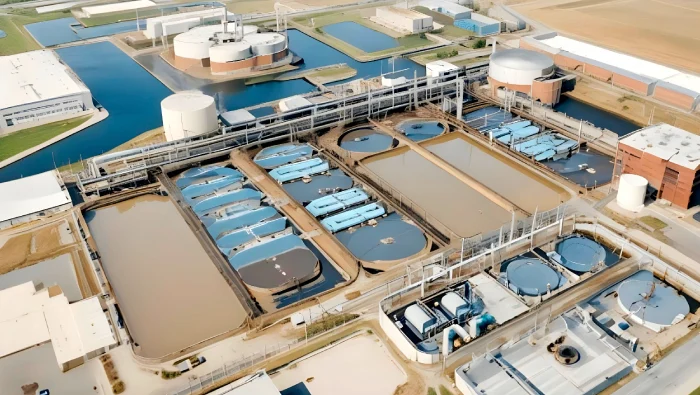
By leveraging the Public-Private Partnership (APP) model, the Peruvian government is looking to fast-track the delivery of essential services, including potable water systems, wastewater treatment plants (PTAR), and large-scale desalination facilities. This initiative represents not only a financial commitment but a fundamental shift in how the state manages the delivery of vital public services.
The Scope of the Investment: A Multi-Year Roadmap
The portfolio is structured for a progressive rollout, with adjudications slated between 2026 and 2028. The scale of the investment is broken down into two distinct phases, categorized by their current state of development:
The Structuring and Transaction Phase
At the heart of the government’s efforts are nine projects currently in the advanced stages of structuring and transaction. Representing a total investment of $3.778 billion, these projects are designed to provide relief to 4.8 million inhabitants across seven regions. Among the most anticipated are:
- Obras de Cabecera – Phase 1: A cornerstone project expected to secure water supply for 1.5 million people.
- PTAR Trujillo: Aimed at serving 852,000 residents, this facility will be vital for the sanitation of the northern coastal region.
- PTAR Cusco: Targeting a population of 746,000, this project addresses the specific environmental and urban needs of the historic capital of the Inca Empire.
- PTAR Huancayo: Set to benefit 570,000 individuals, focusing on the high-altitude urban center of the central highlands.
- PTAR Cañete: Designed for a population of 234,000, addressing the growing demand in the Lima periphery.
Beyond these, the phase includes the PTAR San Martín, the Desaladora Ilo (Desalination Plant), and comprehensive sanitation projects for Tumbes, Contralmirante Villar, Chanchamayo, and Concepción. These projects signify a shift toward long-term, sustainable solutions in regions that have long struggled with service continuity.
The Formulation Pipeline
Parallel to the active transactions, a second tier of eight projects is currently in the formulation phase. These represent an additional investment of $1.968 billion and are intended to serve 1.3 million residents across five regions. Notable projects in this pipeline include the PTAR Iquitos, the Loreto Rural Sanitation project, infrastructure upgrades for Talara, and the ambitious Desaladora Lima Norte, which seeks to mitigate water scarcity in the nation’s most populous metropolitan area.
A National Imperative: Addressing the Data Gap
The impetus for this massive infrastructure push is rooted in cold, hard data. During a recent forum hosted by the GRI Institute titled “Water & Sanitation: What does the pipeline need to stop stalling?”, representatives from PROINVERSIÓN underscored the urgency of the situation.
According to data cited by the Inter-American Development Bank (IDB), the scale of the financial challenge is daunting. To meet international standards for safe water management by 2030, Peru requires approximately $7.936 billion. Furthermore, achieving universal, safe sanitation standards necessitates an additional $11.943 billion. These figures highlight why the APP model is being championed as a necessary vehicle for success: it allows the state to bypass traditional budgetary constraints by attracting private capital and technical expertise.
Lessons from Success: The APP Model in Practice
The skepticism that often surrounds public-private partnerships in developing economies is being countered by the tangible results observed in Lima and Callao. Before the implementation of major concessioned plants, wastewater treatment in the capital hovered at a mere 21.3% in 2012.
Today, that figure has soared to over 95%. This transformation is largely credited to three key infrastructure pillars: the PTAR Taboada, PTAR La Chira, and the PROVISUR facility. Collectively, these concessions now manage the treatment of approximately 84% of all wastewater produced in the Lima-Callao metropolitan area.
These success stories serve as a blueprint for the 17 upcoming projects. By offloading the technical burden of plant management and operational efficiency to specialized private entities, the government has been able to guarantee service quality and environmental protection that would have been difficult to achieve through public management alone.

Official Responses and Strategic Vision
During the GRI Institute dialogue, government officials emphasized that these projects are not merely about laying pipes; they are about social stability. "The objective is to provide high-quality public services while protecting our water sources and mitigating the environmental degradation caused by untreated wastewater," a spokesperson noted.
The integration of private sector rigor into public works ensures that these projects are held to international standards of maintenance and performance. By involving the private sector in the long-term lifecycle of these assets, the government aims to avoid the "build and abandon" syndrome that has plagued public infrastructure projects in the past.
Implications for the Future of Peru
The rollout of these 17 projects has profound implications for the nation’s future development:
1. Environmental Sustainability
The focus on PTARs (Wastewater Treatment Plants) is a crucial step in cleaning up Peru’s river systems and coastal waters. As climate change continues to impact glacial runoff—the primary water source for many Peruvian cities—treating and reusing water is no longer a luxury but a necessity.
2. Economic Stability and Public Health
Water-borne diseases and the economic costs of water scarcity are significant drains on the Peruvian economy. By securing consistent water access, these projects are expected to boost productivity, improve educational outcomes for children, and reduce the burden on the public health system.
3. Regional Decentralization
The geographic spread of these projects—covering regions as diverse as Tumbes, Loreto, and Moquegua—reflects a move toward decentralizing investment. By ensuring that rural and secondary urban areas receive the same infrastructure priority as the capital, the government is fostering a more equitable national growth trajectory.
4. Market Confidence
The systematic approach of PROINVERSIÓN in structuring these projects provides a clear signal to international investors that Peru is open for business. By offering a transparent, long-term pipeline of opportunities, the government is incentivizing the entry of global firms, which brings not only capital but also cutting-edge technology and management practices to the Peruvian market.
Conclusion: The Path Forward
The path to universal water and sanitation coverage in Peru is long and complex, but the roadmap provided by PROINVERSIÓN is clear. By prioritizing the most critical regions and utilizing a proven financial framework, the state is making a concerted effort to turn the tide on a historical deficit.
As the country moves toward the 2026–2028 adjudication window, the success of these projects will depend on the continued transparency of the bidding process and the ability of the state to navigate the regulatory challenges inherent in large-scale infrastructure development. If the current trajectory holds, the next decade will likely be remembered as the era in which Peru finally secured its water future, ensuring health, dignity, and sustainable growth for millions of its citizens.
The task remains substantial, and the investment required is immense, but the collaborative model between the state and the private sector offers the most viable pathway toward a cleaner, more resilient, and more prosperous Peru.