The Peruvian government, through the Private Investment Promotion Agency (ProInversión), has launched a strategic roadmap to overhaul the nation’s water and sanitation landscape. With a massive investment portfolio exceeding $5.7 billion, this initiative aims to bridge critical infrastructure gaps and provide high-quality, sustainable services to over six million citizens across 11 regions.
1. Executive Summary: A Multi-Billion Dollar Commitment
The Peruvian government, acting via the Ministry of Economy and Finance (MEF), has unveiled an ambitious portfolio of 17 water and sanitation projects designed to transform the country’s public utility landscape. This massive capital injection, totaling over $5.7 billion, is being channeled through Public-Private Partnerships (PPPs), a modality chosen for its efficiency in leveraging private sector capital, technical expertise, and long-term operational management.
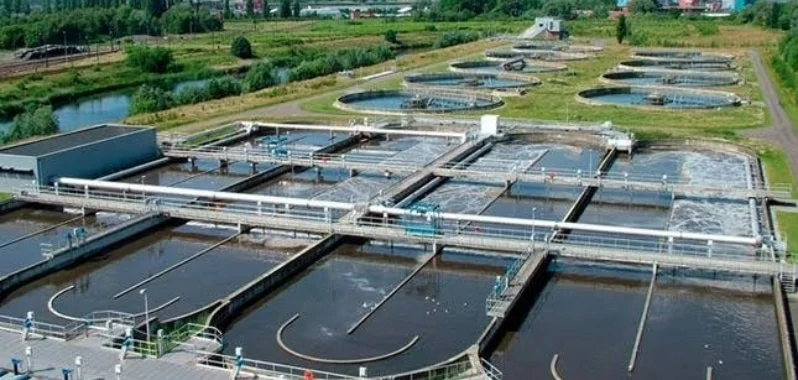
The core objective is to dismantle the barriers that have historically hindered access to potable water and safe sewage treatment. By focusing on 11 regions, the government intends to reach over six million Peruvians, effectively integrating them into a modern grid of sustainable water infrastructure. The portfolio is not merely a collection of pipes and plants; it is a holistic strategy encompassing desalination plants, wastewater treatment plants (PTARs), and comprehensive sanitation systems that prioritize environmental protection and public health.
2. Chronology of Implementation: The 2026–2028 Roadmap
ProInversión has established a rigorous schedule to ensure these projects transition from the planning phase to operational reality. The adjudication process is slated to occur progressively between 2026 and 2028.

- 2026: The Kick-off Phase. Initial tenders will focus on projects currently in advanced stages of transaction. The priority is to establish early wins that demonstrate the viability of the PPP model in the water sector.
- 2027: Mid-Term Scaling. As technical documentation is finalized for the secondary group of projects, the government expects a surge in bidding activity, particularly for large-scale urban sanitation works.
- 2028: Full Implementation. The final phase will see the consolidation of rural and regional projects, ensuring that the geographic reach extends to the country’s most underserved territories.
This timeline reflects a concerted effort by the Peruvian state to avoid the bureaucratic bottlenecks that have historically plagued large-scale infrastructure projects, ensuring that private investors have a clear, predictable, and transparent regulatory horizon.
3. Supporting Data: Analyzing the Investment Tiers
To manage such a vast undertaking, ProInversión has bifurcated the project pipeline into two primary tiers based on their current stage of development.
Tier 1: Advanced Structuring and Transaction (>$3.77 Billion)
Nine flagship projects currently occupy this category, representing a combined investment of $3.778 billion. These projects are intended to reach approximately 4.8 million people across seven regions. Key highlights include:
- Obras de Cabecera (Phase 1): A critical undertaking designed to provide reliable water supply to 1.5 million people.
- PTAR Trujillo (852,000 beneficiaries): Addressing the environmental and public health needs of one of Peru’s largest urban centers.
- PTAR Cusco (746,000 beneficiaries): Integrating modern sanitation into a critical cultural and tourism hub.
- PTAR Huancayo (570,000 beneficiaries): Improving sanitation standards in the Andean highlands.
- Additional Key Works: This tier also encompasses the PTAR Cañete, PTAR San Martín, the Ilo Desalination Plant, and comprehensive sanitation upgrades in Tumbes, Contralmirante Villar, Chanchamayo, and Concepción.
Tier 2: The Formulation Stage (>$1.96 Billion)
Eight additional projects are currently in the formulation phase, representing an investment of $1.968 billion. These projects aim to support another 1.3 million inhabitants in five regions. This portfolio includes:

- Desalination Initiatives: Including the Lambayeque and Lima Norte desalination plants, which are vital for coastal regions facing water scarcity.
- Regional Sanitation: Projects in Iquitos, Loreto (Rural), Talara, Huaura, Barranca, Cajamarca, and San Ignacio.
4. Official Perspectives and Industry Dialogue
The importance of this portfolio was emphasized during the "Water & Sanitation: What Does the Pipeline Need to Stop Stagnating?" forum, organized by the GRI Institute. ProInversión executives argued that the status quo of water service delivery is unsustainable.
"The execution of these initiatives is not merely a matter of construction; it is a matter of rights," stated a spokesperson for ProInversión. "We are committed to reducing the environmental impacts caused by untreated wastewater while protecting our natural water sources. By utilizing the PPP model, we ensure that the private sector shares the burden of risk and brings the technical innovation required to make these services accessible and efficient."
The government recognizes that the primary obstacle to past projects has been the "pipeline stagnation" caused by a lack of social license, complex land acquisition, and regulatory uncertainty. By engaging with industry experts, ProInversión is refining its transaction models to be more resilient to these local challenges.
5. Strategic Implications: Closing the Gap by 2030
The urgency of this multi-billion dollar program is rooted in stark data provided by the Inter-American Development Bank (IDB). According to recent projections, Peru faces a massive financing gap to meet basic human needs by 2030:

- $7.936 Billion: The amount required to achieve universal, safely managed water access.
- $11.943 Billion: The funding needed to modernize the national sanitation infrastructure.
The $5.7 billion portfolio announced by ProInversión serves as a vital down payment on these requirements. If successful, this roadmap will significantly reduce the prevalence of waterborne diseases, improve the quality of life for millions, and stabilize the economic growth of regions that are currently constrained by water insecurity.
Environmental and Social Impact
Beyond the economic figures, the long-term implications are profound. Wastewater treatment plants will drastically reduce the contamination of Peru’s rivers and coastal waters, which are currently being degraded by untreated discharge. Furthermore, the focus on desalination plants offers a "future-proof" solution for coastal cities that are increasingly vulnerable to the effects of climate change and shifting hydrological patterns.
The Role of Private Investment
By opting for the PPP model, the Peruvian government is signaling to international markets that it is open for business. This approach allows the state to preserve public funds while leveraging the efficiency of the private sector for construction and maintenance. However, the success of these 17 projects will depend on the government’s ability to maintain a stable political environment and a transparent procurement process.
Conclusion
As the 2026–2028 cycle approaches, the eyes of the infrastructure sector remain fixed on Peru. The scale of this $5.7 billion investment is significant, but the ambition behind it—to ensure that every citizen, from the highlands of Cajamarca to the coastal reaches of Lima, has access to clean, safe water—is truly transformative. With a clear structure, a defined timeline, and a focus on essential human services, ProInversión has set the stage for what could be the most important decade for water infrastructure in Peruvian history.