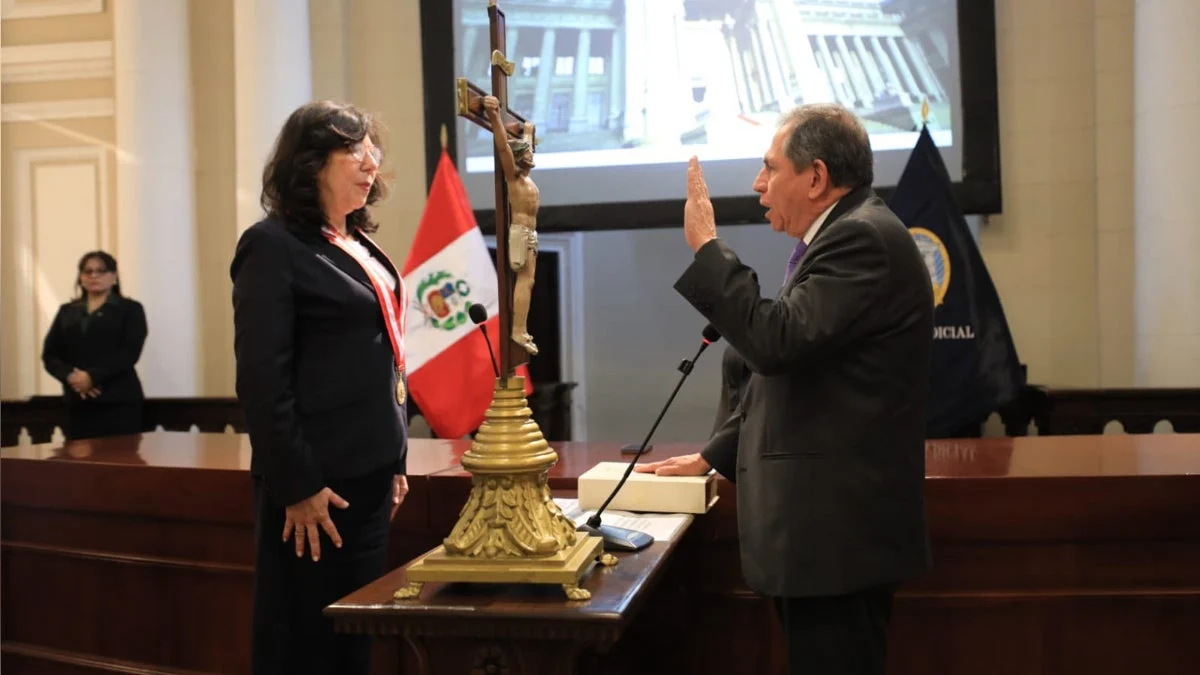
In a significant move aimed at fortifying Peru’s fiscal administration, César Luna Victoria León has officially assumed the role of Superintendent of the National Superintendence of Customs and Tax Administration (SUNAT). The formal swearing-in ceremony, presided over by the President of the Judiciary, Janet Tello Gilardi, marks the beginning of a new chapter for the nation’s tax authority under the administration of President Keiko Fujimori.
This appointment, formalized via Supreme Resolution 027-2026-EF and published in the official gazette El Peruano on August 6, signals the government’s intent to marry seasoned public sector experience with a robust, modern approach to revenue collection and customs oversight.
The Core Mandate: Strengthening Fiscal Discipline
As the new head of SUNAT, Luna Victoria inherits an institution that serves as the backbone of the Peruvian economy. His mandate is clear: to steer the country’s tax and customs administration through a period of modernization while aggressively tackling tax evasion and informality.
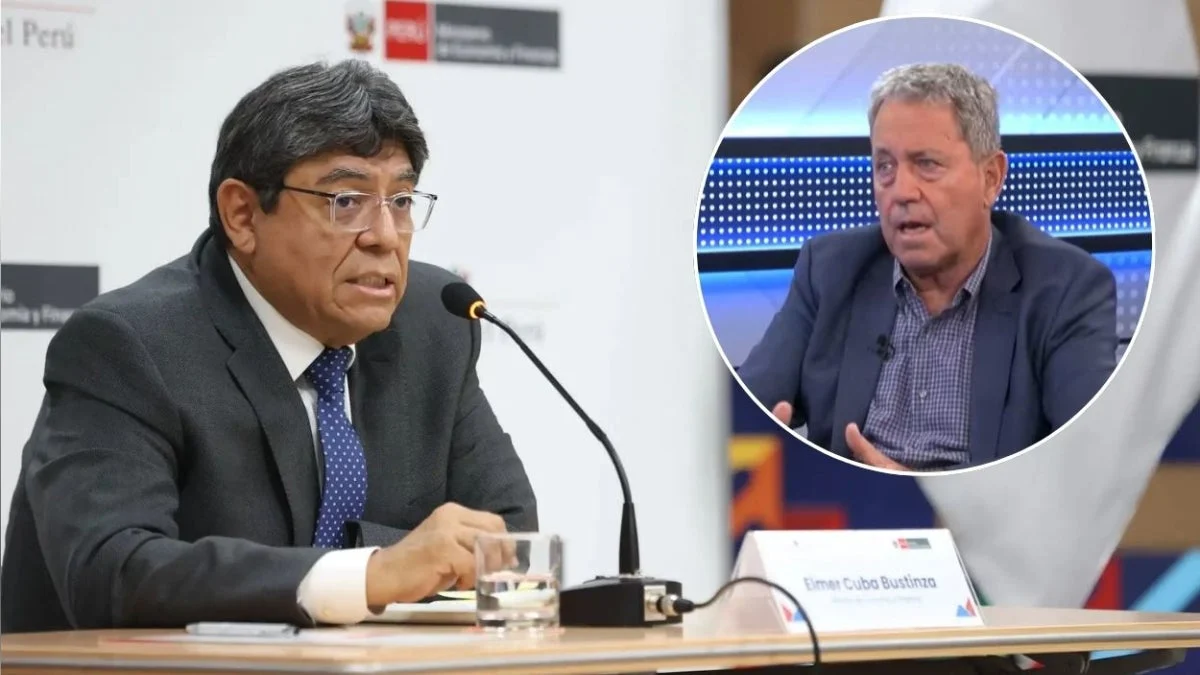
Minister of Economy and Finance Elmer Cuba has publicly underscored the government’s priority to broaden the tax base and ensure that both corporations and independent workers comply with their fiscal responsibilities. Luna Victoria is expected to serve as the primary architect of this strategy, leveraging his extensive background in tax law to improve collection efficiency and streamline customs procedures to facilitate international trade.
Chronology: From the 90s to the Present
The trajectory of César Luna Victoria is intrinsically linked to the history of modern Peruvian governance. To understand the significance of his current appointment, one must analyze his professional evolution:
- The 1990s (The Fujimori Era): Luna Victoria first rose to prominence during the administration of Alberto Fujimori. His tenure was characterized by a focus on structural reform, serving as Minister of Industry, Tourism, Integration, and International Trade Negotiations (MITINCI), and subsequently as Minister of Fisheries. During these formative years, he gained a reputation as a pragmatic technocrat capable of navigating complex bureaucratic landscapes.
- The Intervening Decades: Following his ministerial roles, Luna Victoria transitioned into the private sector, where he honed his skills as a corporate consultant. His work as an independent director for major entities, such as Pesquera Exalmar, provided him with a bird’s-eye view of the challenges facing large-scale private enterprises in Peru.
- August 2026: Following the transition of power to the administration of Keiko Fujimori, Luna Victoria was tapped to lead SUNAT. His selection represents a deliberate attempt to bring "institutional memory" back to the forefront of the government’s economic agenda.
Profile: The Expertise of a Seasoned Lawyer
César Luna Victoria is a distinguished graduate of the Pontificia Universidad Católica del Perú (PUCP). His career is defined by a multi-disciplinary approach to law and management:
Academic and Professional Foundation
As a lawyer specializing in tax, corporate, and financial law, Luna Victoria possesses a rare blend of academic rigor and practical application. His deep understanding of the intricacies of Peruvian tax legislation—often cited as some of the most complex in Latin America—is considered a primary asset for the current administration.
Public Sector Management
His previous roles as a cabinet minister during the 1990s provided him with hands-on experience in public administration. Unlike career bureaucrats, Luna Victoria brings the perspective of a former policy-maker, someone who understands how the legislative and executive branches interact with the regulatory powers of an agency like SUNAT.
Supporting Data: The Economic Context
The appointment of Luna Victoria occurs at a critical juncture for the Peruvian economy. Under the guidance of Minister Elmer Cuba, the government has set ambitious targets for revenue generation.
The Challenge of Informality
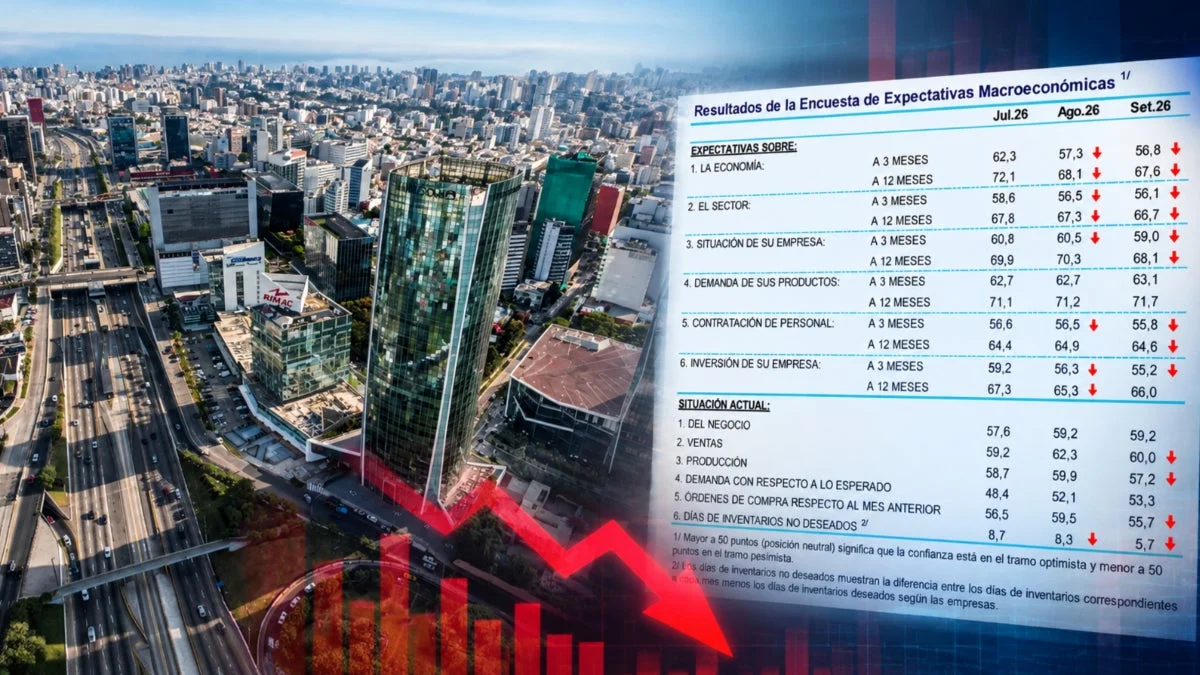
Current data from the Ministry of Economy and Finance (MEF) indicates that a significant percentage of the Peruvian workforce remains outside the formal tax net. Independent workers and micro-enterprises often evade registration, leading to lost revenue that the state desperately needs to fund social programs and infrastructure. Luna Victoria’s administration is expected to deploy advanced data analytics and digital monitoring tools to identify and integrate these taxpayers into the system.
Customs and International Trade
Beyond internal taxation, SUNAT is responsible for the oversight of Peru’s ports and borders. With global trade patterns shifting, the government aims to position SUNAT not just as a regulator, but as a facilitator of legitimate trade. Luna Victoria’s experience in the Ministry of Fisheries and Trade provides him with the insight necessary to balance border security with the operational needs of exporters and importers.
Official Responses and Political Implications
The appointment has generated a spectrum of reactions within the political and business circles of Peru.
Government Stance
The administration of Keiko Fujimori views this move as a stabilizing force. By selecting a figure with deep historical ties to the Fujimori political movement, the government is signaling continuity and ideological consistency. Minister Elmer Cuba’s frequent warnings regarding the "full weight of the law" for tax evaders suggest that Luna Victoria will be given the political backing to pursue aggressive enforcement actions that might have been politically sensitive in the past.
Industry and Private Sector Reaction
The business community, particularly those in the export and corporate sectors, has generally welcomed the appointment. There is an expectation that Luna Victoria’s private sector experience will lead to a more "business-friendly" interpretation of tax regulations, reducing the bureaucratic hurdles that often plague firms dealing with SUNAT. However, some analysts caution that his past associations may invite scrutiny from opposition factions, requiring him to maintain a scrupulously neutral and technical stance in his new role.
Future Implications: What to Expect
As César Luna Victoria settles into his office at the SUNAT headquarters, his performance will be measured against several key performance indicators:
- Digital Transformation: The transition toward fully electronic invoicing and automated customs clearances will likely accelerate.
- Tax Compliance: The MEF has signaled a transition toward more intensive monitoring of independent contractors. We should expect to see new, stricter reporting requirements in the coming fiscal quarters.
- Institutional Integrity: One of the greatest challenges for any head of SUNAT is maintaining the independence of the agency from political influence. Luna Victoria’s ability to project neutrality will be essential to maintaining the trust of the international investment community.
A Balancing Act
The success of Luna Victoria will depend on his ability to balance the aggressive enforcement goals of the Fujimori administration with the necessity of fostering an environment where businesses feel secure. If he can bridge the gap between strict fiscal collection and the needs of a modern, growing economy, he may well be remembered as one of the most consequential leaders in SUNAT’s history.
In conclusion, the appointment of César Luna Victoria is not merely a change in leadership; it is a declaration of intent. By reinstating a veteran of the Fujimori era to oversee the nation’s purse strings, the government is making a clear bet that historical expertise and a tough-on-compliance approach are the keys to securing Peru’s economic future. As the nation watches, the implementation of these new policies will undoubtedly reshape the fiscal landscape of Peru for years to come.